
Katydid Facts for Kids
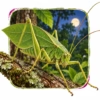
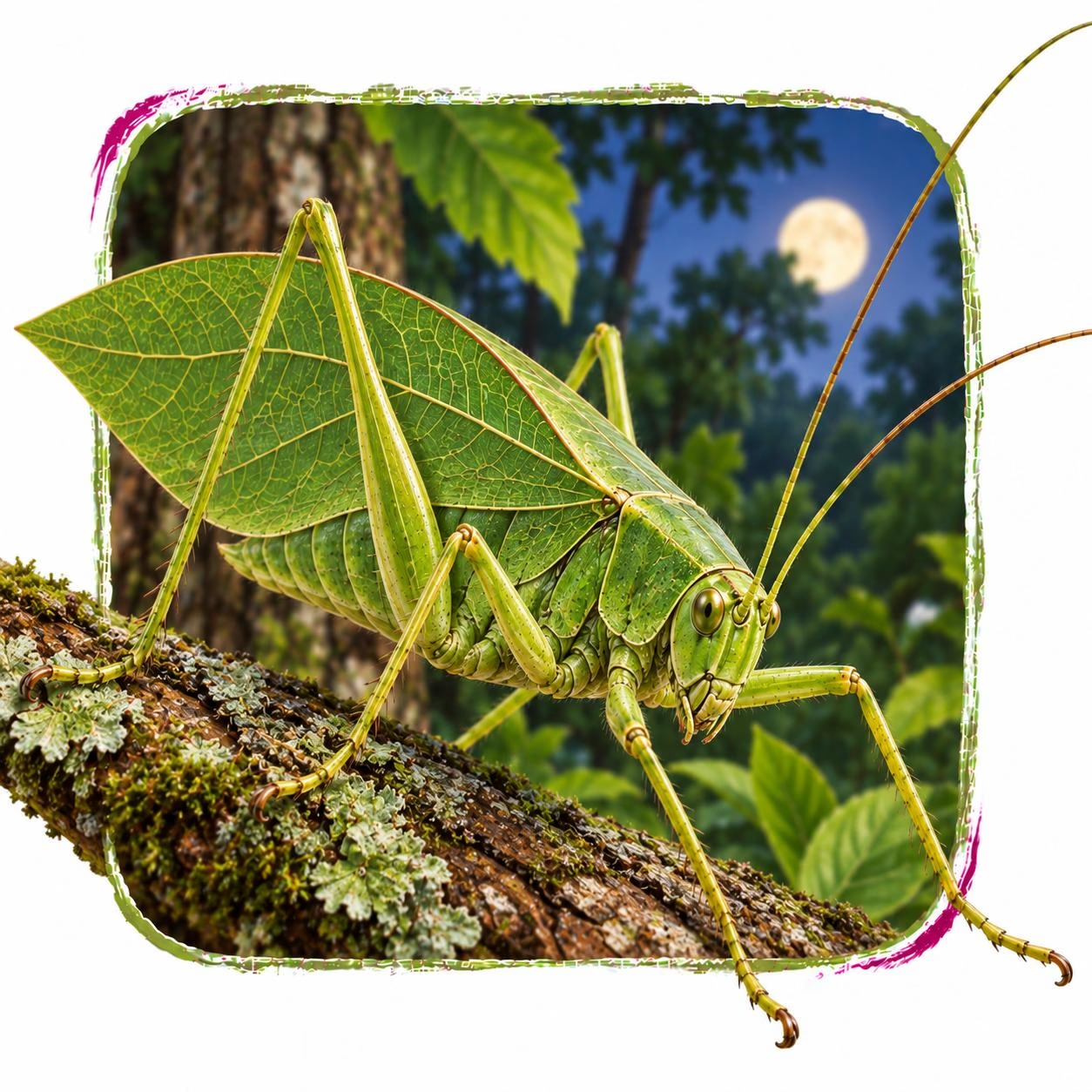
Katydids are mostly nighttime insects related to crickets and grasshoppers. Many have very long antennae, leaflike green bodies, strong jumping legs, and loud mating calls that can make summer nights feel full of tiny hidden musicians.
Quick Katydid Facts
- Animal Type: Insect
- Group: Long-horned grasshopper, katydid family, and orthopteran insect
- Known For: Long antennae, leaf camouflage, night calls, jumping legs, ovipositors, plant feeding, and cricket relatives
- Habitat: Trees, shrubs, grasslands, gardens, forests, fields, tropical habitats, temperate woodlands, and leafy places depending on species
- Diet: Leaves, flowers, seeds, pollen, fruit, bark, small insects, and other foods depending on species
What You’ll Learn
Discover 10 fascinating locust facts for kids about swarms, powerful legs, flying, feeding, and how some grasshoppers change behavior, plus a quiz, glossary, and activity
Simple explanations make them fun for children, families, teachers, and young insect fans.
10 Fun Katydid Facts for Kids
1. Katydids Are Insects
Katydids are insects with six legs, three body parts, antennae, and wings in many adults.
Kid Decode: A katydid is a leaf-colored singer with antennae like tiny radio wires.
2. Katydids Are Cricket Relatives
Katydids are related to crickets and grasshoppers in the order Orthoptera.
Kid Decode: They belong to the chirping, hopping insect neighborhood.
3. Baby Katydids Are Nymphs
Young katydids are called nymphs and look like smaller wingless adults.
Kid Decode: A katydid nymph is a mini leaf with legs.
4. Katydids Have Long Antennae
Katydids often have very long, threadlike antennae that may be as long as or longer than the body.
Kid Decode: Those antennae are the insect version of extra-long whisker wands.
5. Many Katydids Look Like Leaves
Many katydids are green and shaped like leaves, which helps them hide from predators.
Kid Decode: They are the plant world’s best prank-looking insects.
6. Katydids Sing at Night
Male katydids make mating calls, often after dark, by rubbing their wings together.
Kid Decode: The garden becomes a tiny night orchestra.
7. Katydids Have Jumping Legs
Katydids have strong hind legs for jumping through plants.
Kid Decode: When danger comes, the leaf suddenly bounces.
8. Female Katydids Have Ovipositors
Female katydids often have an ovipositor used to place eggs in plants or soil.
Kid Decode: It is a careful egg-placing tool, not a stinger.
9. Katydids Eat Plants and Tiny Foods
Many katydids eat leaves, flowers, seeds, and fruit, while some also eat small insects.
Kid Decode: Their menu can be leafy, fruity, and sometimes crunchy.
10. Katydids Help Food Webs
Katydids are eaten by birds, frogs, spiders, lizards, bats, and other animals.
Kid Decode: The hidden singer is also dinner for many wildlife neighbors.
The Weirdest Katydid Fact
Some katydids look so much like leaves that even their wing veins can resemble leaf veins.
Try This Katydid Activity
Katydid Drawing Activity
Draw a katydid hiding on a leafy branch at night. Add long antennae, leaflike wings, jumping legs, nymphs, eggs in a plant stem, moonlight, sound waves, flowers, and a bat or frog nearby.
Quick Katydid Quiz
- What animal group are katydids in? Answer: Insects.
- What are baby katydids called? Answer: Nymphs.
- What long body parts help katydids sense around them? Answer: Antennae.
- When do many katydids sing? Answer: At night.
- What tool do female katydids use to place eggs? Answer: An ovipositor.
Mini Glossary
- Insect: An animal with six legs, three body parts, and antennae.
- Nymph: A young insect stage that looks partly like the adult but has no full wings yet.
- Camouflage: Colors or shapes that help an animal blend in.
- Ovipositor: A body part some female insects use to place eggs.
- Orthoptera: The insect order that includes grasshoppers, crickets, and katydids.
 Oyster Facts for Kids
 Dugong Facts for Kids
 Owl Facts for Kids
 Henodus Facts for Kids
More Animal Facts for Kids
Visit the full animal facts library or explore a focused animal group.
More Extinct Animal Facts for Kids
Discover dinosaurs, Ice Age giants, prehistoric sea creatures, recently extinct species, and other animals from the past.
Fact check note: Fact checked with Britannica katydid resources, university extension katydid resources, and trusted insect education references.

Katydid in its natural Forests habitat