
Kiwi Facts for Kids
Kiwis are small flightless birds from New Zealand. They have long beaks, hair-like feathers, strong legs, tiny wings, and nostrils near the end of the beak, which helps them sniff for food on the forest floor.
Quick Kiwi Facts
- Animal Type: Bird
- Group: Flightless bird
- Known For: Long beak, night activity, and large eggs
- Habitat: Forests, scrublands, grasslands, wetlands, and burrows in New Zealand
- Diet: Worms, insects, grubs, berries, seeds, fruit, and small invertebrates
What You’ll Learn
Explore 10 unusual kiwi facts for kids about tiny wings, long beaks, giant eggs, nighttime life, and New Zealand habitats, with a quiz, glossary, and kiwi activity
These facts are written simply for kids, parents, teachers, and curious young explorers.
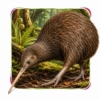
10 Fun Kiwi Facts for Kids
1. Kiwis Are Birds
Kiwis are birds with feathers, beaks, eggs, and wings. But their wings are tiny, and they cannot fly.
Kid Decode: A kiwi is a little bird that chose forest floors over sky lanes.
2. Kiwis Live in New Zealand
Wild kiwis are native to New Zealand. They are one of the country’s most famous animals.
Kid Decode: Kiwis are New Zealand’s feathery night treasures.
3. Kiwis Are Flightless
Kiwis cannot fly. Their strong legs help them walk, run, and search for food on the ground.
Kid Decode: Kiwi legs do the work their wings skipped.
4. Kiwis Are Mostly Nocturnal
Many kiwis are active at night. They search in leaf litter and soil while much of the forest is dark.
Kid Decode: Kiwis run the forest night shift.
5. Kiwis Have Nostrils at the End of the Beak
Unlike most birds, kiwis have nostrils near the tip of the beak. This helps them sniff for worms and insects in the ground.
Kid Decode: A kiwi beak is part tool, part sniffing wand.
6. Kiwis Lay Very Large Eggs
Kiwi eggs are huge compared with the size of the bird. They are among the largest eggs relative to body size.
Kid Decode: A kiwi egg is a giant surprise from a small bird.
7. Baby Kiwis Are Chicks
Baby kiwis are called chicks. Kiwi chicks hatch with feathers and can begin exploring after they leave the nest.
Kid Decode: A kiwi chick arrives looking ready for tiny forest adventures.
8. Kiwis Have Hair-Like Feathers
Kiwi feathers are soft and shaggy, almost like hair. These feathers help them blend into dark forest floors.
Kid Decode: Kiwi feathers look like cozy woodland fuzz.
9. Kiwis Use Burrows
Kiwis may rest or nest in burrows, hollow logs, or hidden places. These shelters help protect them during the day.
Kid Decode: A kiwi burrow is a secret forest bedroom.
10. Kiwis Need Protection
Kiwis face threats from introduced predators, habitat loss, and human activity. Conservation helps protect these special birds.
Kid Decode: Saving kiwis keeps New Zealand’s night birds snuffling.
The Weirdest Kiwi Fact
A kiwi has nostrils near the end of its long beak, so it can sniff underground snacks like worms and insects.
Try This Kiwi Activity
Kiwi Drawing Activity
Draw a kiwi walking through a New Zealand forest at night. Add a long beak, tiny wings, shaggy feathers, strong legs, worms, ferns, a burrow, and moonlight.
Quick Kiwi Quiz
- Where do wild kiwis live? Answer: New Zealand.
- Can kiwis fly? Answer: No.
- When are many kiwis active? Answer: At night.
- What is unusual about a kiwi’s nostrils? Answer: They are near the end of the beak.
- What are baby kiwis called? Answer: Chicks.
Mini Glossary
- Flightless: Unable to fly.
- Nocturnal: Active mostly at night.
- Chick: A baby bird.
- Burrow: An underground or hidden animal shelter.
- Invertebrate: An animal without a backbone.
 Stone Marten Facts for Kids
 Seal Facts for Kids
 Millipede Facts for Kids
 Eoraptor Facts for Kids
More Animal Facts for Kids
Visit the full animal facts library or explore a focused animal group.
More Extinct Animal Facts for Kids
Discover dinosaurs, Ice Age giants, prehistoric sea creatures, recently extinct species, and other animals from the past.
Fact check note: Fact checked with Britannica kiwi bird resources, Save the Kiwi beak resources, Britannica bird resources, and trusted bird conservation references.

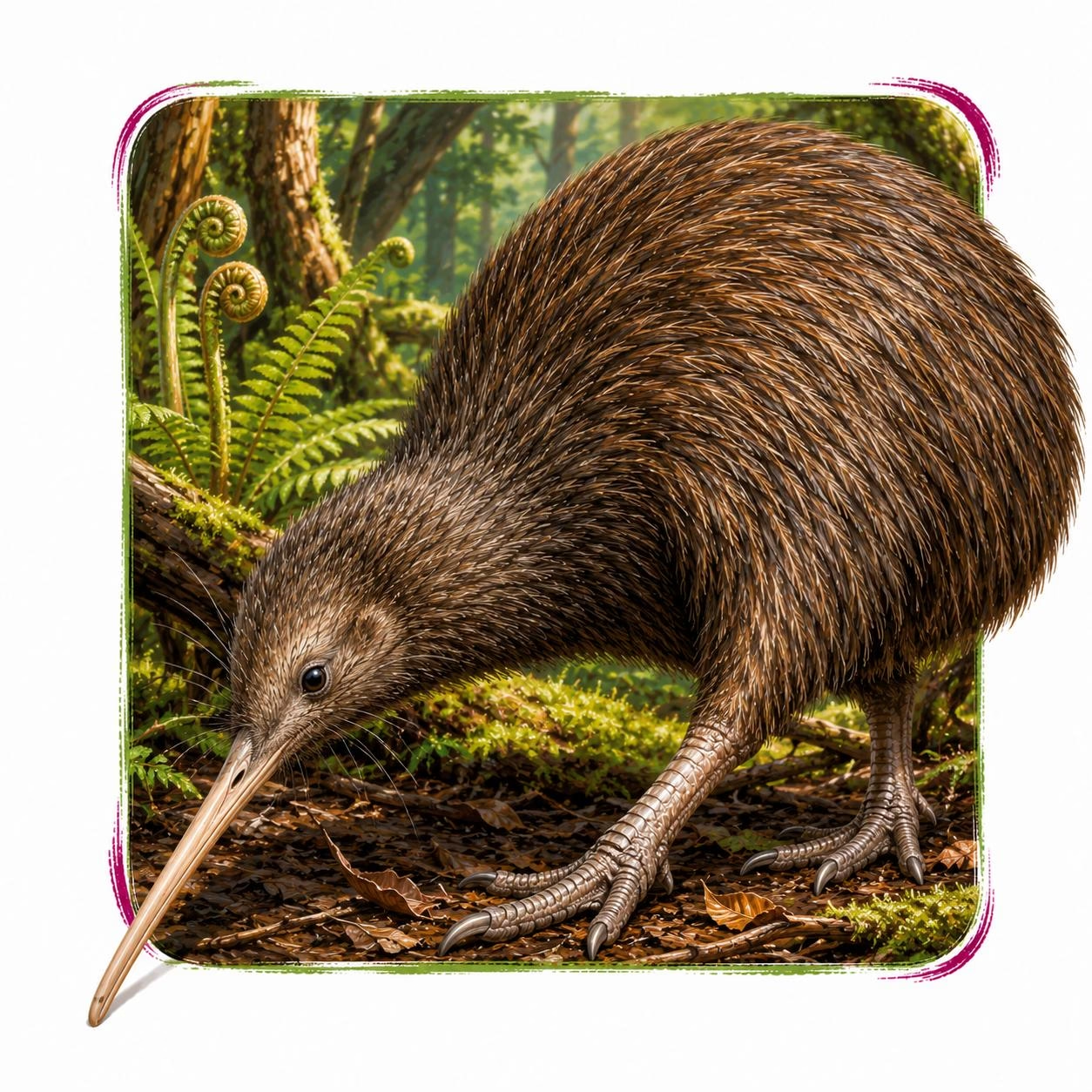
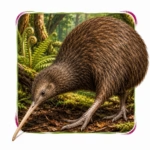
Kiwi in its natural Forests habitat