
Langur Facts for Kids
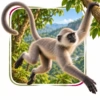
Langurs are slender Old World monkeys, often called leaf monkeys. Many live in Asia, where they leap through trees, eat leaves and fruit, move in social groups, and use long tails for balance.
Quick Langur Facts
- Animal Type: Mammal
- Group: Monkey and primate
- Known For: Long tails, leaf eating, leaping, slender bodies, and tree life
- Habitat: Forests, rainforests, dry forests, mountains, temples, grasslands, cliffs, woodlands, and tree-filled habitats across Asia depending on species
- Diet: Leaves, fruit, flowers, buds, seeds, bark, shoots, insects, and other plant foods depending on species
What You’ll Learn
Explore 10 amazing langur facts for kids about long tails, jumping, leaf-eating, social groups, and Asian forests, plus a quiz, glossary, and activity
Simple explanations make them fun for children, families, teachers, and young animal lovers.
10 Fun Langur Facts for Kids
1. Langurs Are Mammals
Langurs are furry mammals that feed milk to their young.
Kid Decode: A langur is a long-tailed leaf fan with jumping skills.
2. Langurs Are Monkeys
Langurs are Old World monkeys, not apes.
Kid Decode: They are monkeys built for branch life.
3. Langurs Are Leaf Monkeys
Many langurs eat lots of leaves, which is why they are often called leaf monkeys.
Kid Decode: Their lunch often grows right above their heads.
4. Baby Langurs Are Infants
Baby langurs are called infants and stay close to their mothers.
Kid Decode: A langur infant starts life in a furry tree-top nursery.
5. Langurs Have Long Tails
Long tails help langurs balance while climbing, sitting, and leaping through trees.
Kid Decode: The tail is a monkey balance ribbon.
6. Langurs Can Leap Well
Many langurs move through forests by climbing and making long jumps between branches.
Kid Decode: They treat trees like sky bridges.
7. Langurs Live in Groups
Many langurs live in social groups with adults, young monkeys, and strong communication.
Kid Decode: A langur group is a leafy monkey community.
8. Some Langur Babies Are Bright Orange
In some langur species, babies are born bright orange before their fur changes color as they grow.
Kid Decode: Some infants arrive wearing pumpkin-colored baby coats.
9. Langurs Have Special Digestion
Leaf-eating langurs have stomach adaptations that help them digest tough plant food.
Kid Decode: Their bellies are built for leafy homework.
10. Langurs Need Forest Protection
Langurs need healthy forests, safe trees, and enough natural food to survive.
Kid Decode: Protecting forests keeps the long-tailed leaf monkeys leaping.
The Weirdest Langur Fact
Some langur babies are born bright orange, making them look very different from the adults around them.
Try This Langur Activity
Langur Drawing Activity
Draw a langur leaping through forest branches. Add a long tail, leafy snacks, an infant, troop members, vines, flowers, temple rocks, and a bright orange baby langur icon.
Quick Langur Quiz
- What animal group are langurs in? Answer: Mammals.
- What type of primate is a langur? Answer: A monkey.
- What are baby langurs called? Answer: Infants.
- Why are many langurs called leaf monkeys? Answer: They eat many leaves.
- What helps langurs balance in trees? Answer: Their long tails.
Mini Glossary
- Mammal: An animal with fur that feeds milk to its young.
- Primate: A group that includes monkeys, apes, lemurs, and humans.
- Infant: A baby primate.
- Old World Monkey: A monkey group native to Africa and Asia.
- Canopy: The upper layer of branches and leaves in a forest.

 Boar Facts for Kids
 Squid Facts for Kids
 Mole Facts for Kids
 Cladoselache Facts for Kids
More Animal Facts for Kids
Visit the full animal facts library or explore a focused animal group.
More Extinct Animal Facts for Kids
Discover dinosaurs, Ice Age giants, prehistoric sea creatures, recently extinct species, and other animals from the past.
Fact check note: Fact checked with Britannica langur and leaf monkey resources, Britannica Kids langur resources, and trusted primate education references.

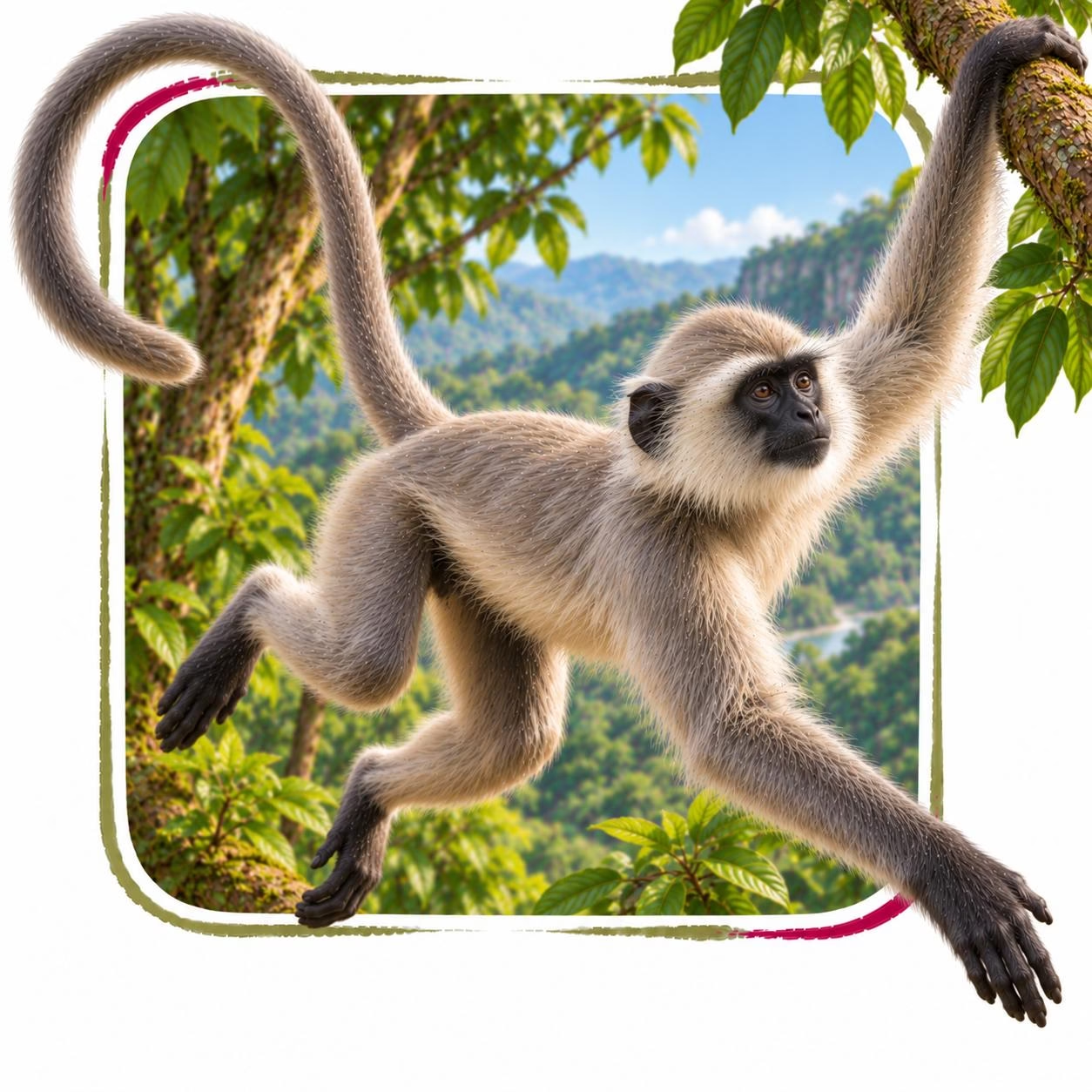
Langur in its natural Forests habitat