
Lemur Facts for Kids
Lemurs are primates known for big eyes, soft fur, long tails, and curious faces. Wild lemurs are native to Madagascar, where different species live in forests, dry areas, and other special habitats.
Quick Lemur Facts
- Animal Type: Mammal
- Group: Primate
- Known For: Madagascar home, big eyes, and many unique species
- Habitat: Rainforests, dry forests, spiny forests, bamboo forests, and rocky areas in Madagascar
- Diet: Fruit, leaves, flowers, nectar, bark, sap, insects, and other small foods depending on species
What You’ll Learn
Learn 10 fascinating lemur facts for kids about big eyes, long tails, calls, social groups, and life in Madagascar, plus a quiz, glossary, and lemur activity
Easy explanations make them perfect for children, families, teachers, and young animal fans.
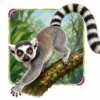
10 Fun Lemur Facts for Kids
1. Lemurs Are Primates
Lemurs are primates, the same big animal group that includes monkeys, apes, and humans.
Kid Decode: A lemur is a primate with moon-bright eyes.
2. Wild Lemurs Live in Madagascar
Wild lemurs are native to Madagascar, an island off the southeast coast of Africa.
Kid Decode: Madagascar is the lemur’s leafy treasure island.
3. There Are Many Kinds of Lemurs
Lemurs come in many sizes and types, from tiny mouse lemurs to larger indris and ring-tailed lemurs.
Kid Decode: The lemur family is a whole cabinet of fuzzy surprises.
4. Lemurs Have Big Eyes
Many lemurs have large eyes that help them see in forests, especially species that are active at night.
Kid Decode: Lemur eyes are forest lanterns.
5. Some Lemurs Are Nocturnal
Some lemurs are nocturnal, while others are active during the day. Different species have different schedules.
Kid Decode: Some lemurs work the moon shift, others choose sunshine.
6. Baby Lemurs Are Infants
Baby lemurs are called infants. They often cling to their mothers while they grow and learn.
Kid Decode: A lemur infant gets a furry backpack ride.
7. Lemurs Eat Many Foods
Lemurs may eat fruit, leaves, flowers, nectar, sap, insects, or bark depending on the species.
Kid Decode: The lemur menu changes from forest to forest.
8. Many Lemurs Live in Groups
Some lemurs live in social groups, while others are more solitary. Group life can help with safety and communication.
Kid Decode: A lemur group is a chattering forest family.
9. Lemurs Groom Each Other
Many lemurs groom with special teeth called a tooth comb, helping clean fur and build social bonds.
Kid Decode: The tooth comb is a tiny built-in grooming rake.
10. Lemurs Need Protection
Many lemur species are threatened by habitat loss, hunting, and other dangers. Protecting Madagascar’s forests helps them survive.
Kid Decode: Saving forests keeps the island primates leaping.
The Weirdest Lemur Fact
Many lemurs have a tooth comb, a set of lower teeth that works like a tiny grooming tool.
Try This Lemur Activity
Lemur Drawing Activity
Draw a lemur in a Madagascar forest. Add big eyes, soft fur, a long tail, leafy branches, fruit, flowers, a baby lemur clinging nearby, and a sunny island background.
Quick Lemur Quiz
- What kind of animal is a lemur? Answer: A primate.
- Where do wild lemurs live naturally? Answer: Madagascar.
- What are baby lemurs called? Answer: Infants.
- What body part helps many lemurs see in dim light? Answer: Large eyes.
- What special teeth help some lemurs groom? Answer: A tooth comb.
Mini Glossary
- Primate: A mammal group that includes lemurs, monkeys, apes, and humans.
- Infant: A baby primate.
- Nocturnal: Active mostly at night.
- Tooth Comb: Special lower teeth used for grooming.
- Endangered: At risk of disappearing from the wild.
 Bee Facts for Kids
 Blue-Ringed Octopus Facts for Kids
 Osprey Facts for Kids
 Dimorphodon Facts for Kids
More Animal Facts for Kids
Visit the full animal facts library or explore a focused animal group.
More Extinct Animal Facts for Kids
Discover dinosaurs, Ice Age giants, prehistoric sea creatures, recently extinct species, and other animals from the past.
Fact check note: Fact checked with Britannica lemur resources, Britannica Kids lemur resources, and trusted primate conservation references.

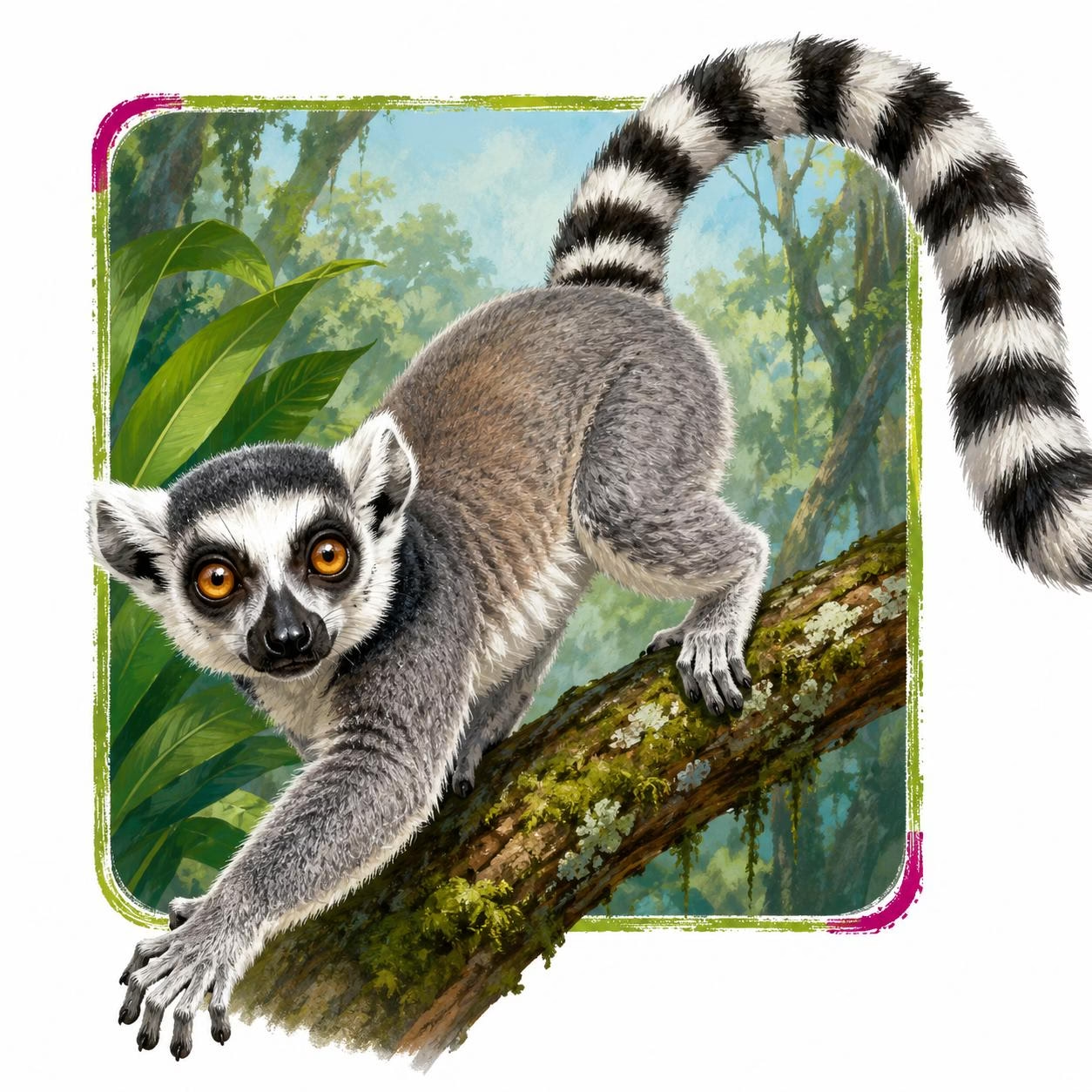
Lemur in its natural Forests habitat