
Leopard Gecko Facts for Kids
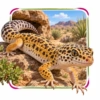
Leopard geckos are small spotted lizards from dry rocky places in parts of Asia. Unlike many geckos, they have movable eyelids, clawed toes instead of sticky pads, and thick tails that store fat for lean times.
Quick Leopard Gecko Facts
- Animal Type: Reptile
- Group: Gecko and eyelid gecko
- Known For: Spotted pattern, movable eyelids, thick fat-storing tail, eggs, hatchlings, clawed toes, insect diet, nocturnal habits, and tail dropping defense
- Habitat: Rocky deserts, dry grasslands, scrublands, burrows, crevices, stone piles, and arid habitats in parts of Afghanistan, Iran, Pakistan, India, and Nepal
- Diet: Crickets, beetles, grasshoppers, moth larvae, spiders, worms, and other small invertebrates
What You’ll Learn
Discover 10 enormous reticulated python facts for kids about incredible length, patterned scales, swimming, constriction, and tropical forests, with a quiz, glossary, and activity
These easy facts are made for kids, parents, teachers, and curious young learners.
10 Fun Leopard Gecko Facts for Kids
1. Leopard Geckos Are Reptiles
Leopard geckos are reptiles, so they have scales, breathe air, and depend on outside warmth.
Kid Decode: A leopard gecko is a spotted little lizard with desert-night charm.
2. They Are Geckos
Leopard geckos belong to the gecko group, but they are different from many wall-climbing geckos.
Kid Decode: They are geckos with claws instead of sticky wall-walker pads.
3. Baby Leopard Geckos Are Hatchlings
Baby leopard geckos are called hatchlings after they come out of eggs.
Kid Decode: A hatchling gecko is a tiny striped start to a spotted adult.
4. They Lay Eggs
Female leopard geckos lay small eggs in warm hidden places.
Kid Decode: The eggs are tucked away like little reptile pearls.
5. They Have Movable Eyelids
Unlike many geckos, leopard geckos can blink and close their eyes.
Kid Decode: This gecko gets proper eyelid curtains for sleep.
6. They Store Fat in Their Tails
Leopard geckos use their thick tails to store fat.
Kid Decode: The tail is a snack savings account with scales.
7. They Can Drop Their Tails
If grabbed by a predator, a leopard gecko may drop its tail to escape.
Kid Decode: The dropped tail is a distraction trick, not a party trick.
8. They Eat Insects
Leopard geckos mostly hunt insects and other small invertebrates.
Kid Decode: Their dinner often has six legs and terrible hiding skills.
9. They Are Mostly Active at Night
Leopard geckos usually hide by day and become active around dusk or at night.
Kid Decode: When the desert cools, the spotted hunter wakes up.
10. They Shed Their Skin
As leopard geckos grow, they shed old skin and may eat the shed.
Kid Decode: That sounds odd, but it recycles nutrients like a tiny reptile lunch receipt.
The Weirdest Leopard Gecko Fact
A leopard gecko has movable eyelids and can blink, unlike many geckos that clean their eyes with their tongues.
Try This Leopard Gecko Activity
Leopard Gecko Drawing Activity
Draw a leopard gecko on warm desert rocks at night. Add spotted body, thick fat tail, blinking eyelids, clawed toes, eggs under a rock, hatchlings, crickets, shed skin, burrow, moonlight, and a safe gentle observation sign.
Quick Leopard Gecko Quiz
- What animal group are leopard geckos in? Answer: Reptiles.
- What are baby leopard geckos called? Answer: Hatchlings.
- What unusual feature lets leopard geckos blink? Answer: Movable eyelids.
- What does a leopard gecko store in its thick tail? Answer: Fat.
- What do leopard geckos mostly eat? Answer: Insects and other small invertebrates.
Mini Glossary
- Reptile: An animal group with scales that breathes air and often lays eggs.
- Hatchling: A newly hatched baby animal.
- Eyelid Gecko: A gecko with movable eyelids.
- Autotomy: Dropping a body part, such as a tail, to escape danger.
- Nocturnal: Active mostly at night.
 Wallaby Facts for Kids
 Peccary Facts for Kids
 Ibis Facts for Kids
 Pakicetus Facts for Kids
More Animal Facts for Kids
Visit the full animal facts library or explore a focused animal group.
More Extinct Animal Facts for Kids
Discover dinosaurs, Ice Age giants, prehistoric sea creatures, recently extinct species, and other animals from the past.
Fact check note: Fact checked with Animal Diversity Web leopard gecko resources, SeaWorld leopard gecko resources, Britannica gecko resources, and trusted reptile education references.

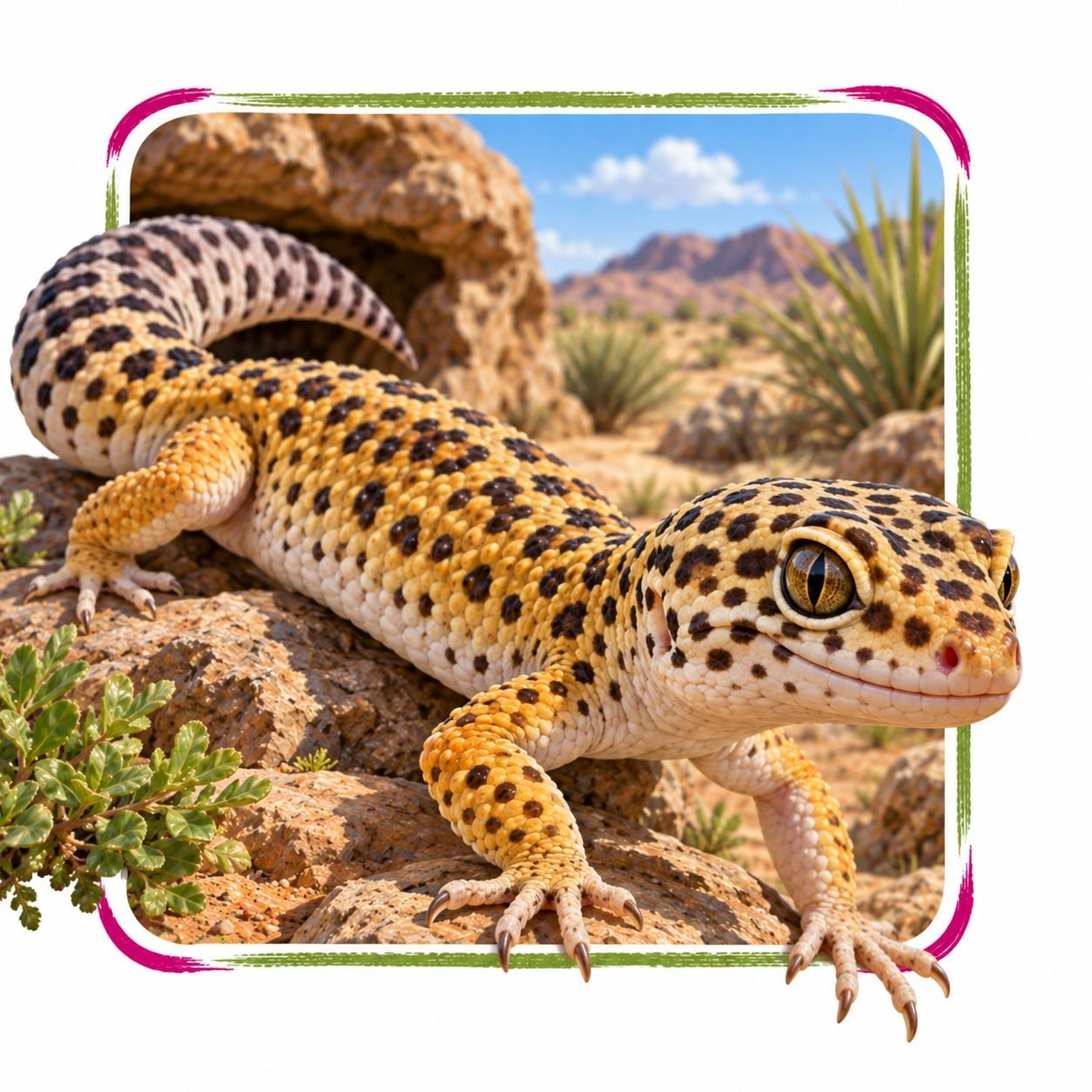
Leopard Gecko in its natural Deserts habitat