
Llama Facts for Kids
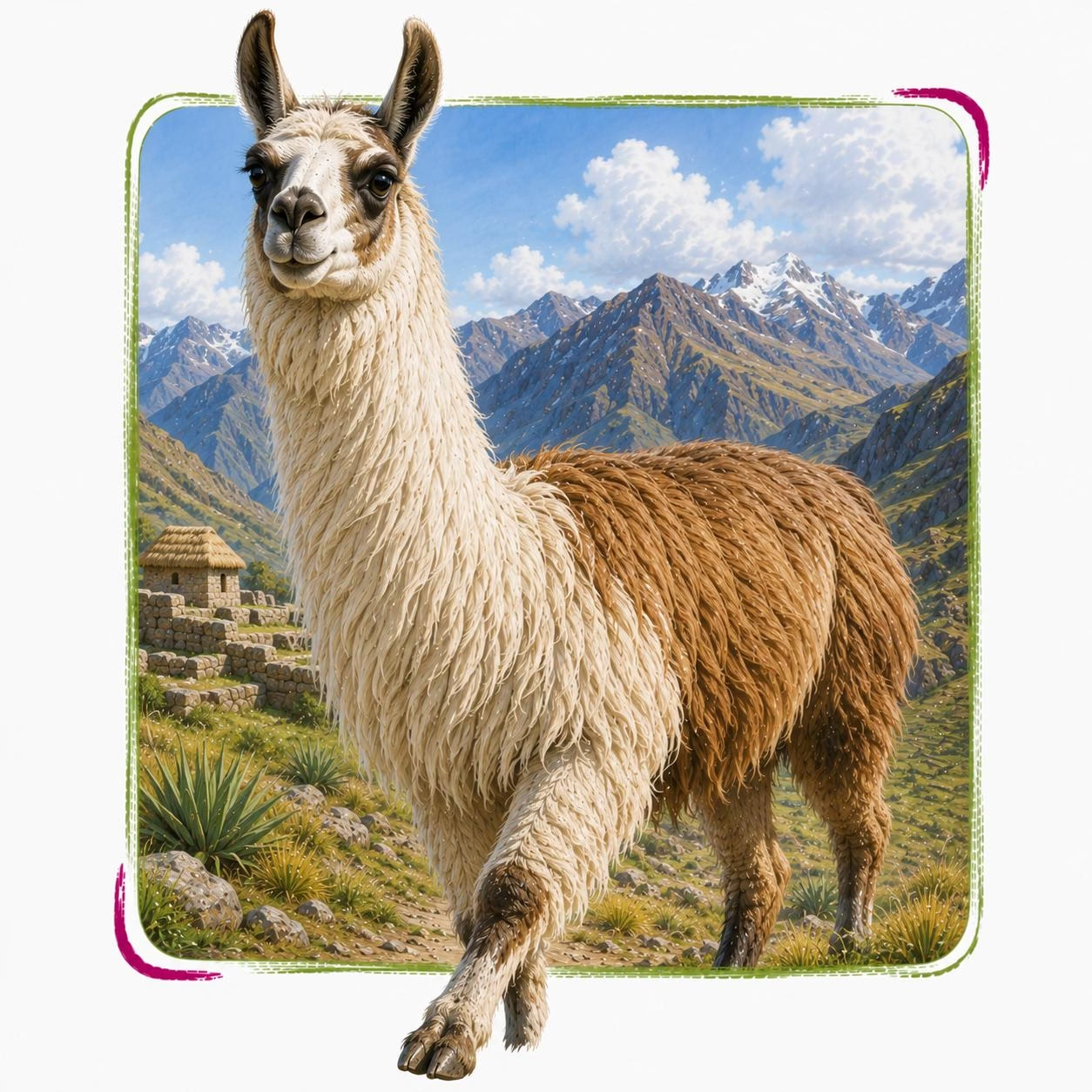
Llamas are tall, sturdy mammals from the camel family. They are closely related to alpacas and have been used for carrying goods in South America for thousands of years.
Quick Llama Facts
- Animal Type: Mammal
- Group: Camel family
- Known For: Carrying loads and long ears
- Habitat: Farms and mountain regions of South America
- Diet: Grass, hay, shrubs, and plants
What You’ll Learn
Discover 10 fun llama facts for kids about wool, long necks, communication, spitting, and mountain life, plus a quiz, glossary, and llama activity
Clear explanations make these facts ideal for children, families, teachers, and little fact-finders.

10 Fun Llama Facts for Kids
1. Llamas Belong to the Camel Family
Llamas are relatives of camels, alpacas, guanacos, and vicuñas. Like alpacas, they do not have humps.
Kid Decode: Llamas are camel cousins dressed for the mountains.
2. Llamas Are Bigger Than Alpacas
Llamas are usually larger than alpacas and often have longer faces and banana-shaped ears.
Kid Decode: A llama is the tall cousin in the fluffy family photo.
3. Llamas Have Been Used as Pack Animals
People in the Andes have used llamas to carry goods across rough mountain paths for centuries.
Kid Decode: Llamas are old-school mountain backpacks with legs.
4. Baby Llamas Are Called Crias
A baby llama is called a cria. Crias stay near their mothers and grow quickly into sturdy young animals.
Kid Decode: A cria is a little llama starter pack.
5. Llamas Are Herbivores
Llamas eat plants such as grass, hay, leaves, and shrubs. Their bodies are built to handle tough plant food.
Kid Decode: A llama’s lunch is mostly mountain salad.
6. Llamas Have Long Ears
Llamas have long, curved ears that help them hear sounds around them and make them easy to recognize.
Kid Decode: Llama ears look like furry bananas.
7. Llamas Can Spit
Llamas may spit when annoyed, scared, or arguing with another llama. It is one way they say, “Back up.”
Kid Decode: Llama spit is a dramatic warning splash.
8. Llamas Live in Groups
Llamas are social animals and usually do better with other llamas or herd animals nearby.
Kid Decode: A llama likes a little company on the mountain trail.
9. Llamas Are Sure-Footed
Llamas can walk carefully over rocky and uneven ground, which helped make them useful pack animals in the Andes.
Kid Decode: Llamas have mountain-smart feet.
10. Llamas Can Guard Other Animals
Some llamas are used to help guard sheep, goats, or other herd animals from predators.
Kid Decode: A llama can be a fluffy farm lookout.
The Weirdest Llama Fact
Llamas can spit when upset, but they often use it more with other llamas than with people.
Try This Llama Activity
Llama Drawing Activity
Draw a llama walking on a mountain trail. Add long ears, a colorful blanket, rocky paths, green hills, and a baby cria nearby.
Quick Llama Quiz
- What animal family do llamas belong to? Answer: The camel family.
- What is a baby llama called? Answer: A cria.
- Are llamas usually bigger or smaller than alpacas? Answer: Bigger.
- What have people used llamas to carry? Answer: Goods or loads.
- What might llamas do when annoyed? Answer: Spit.
Mini Glossary
- Cria: A baby llama or alpaca.
- Pack Animal: An animal used to carry loads.
- Herbivore: An animal that eats plants.
- Sure-footed: Able to walk safely on rough ground.
- Camelid: A member of the camel family.




 Echidna Facts for Kids
 Walking Catfish Facts for Kids
 Tamarin Facts for Kids
 Dimetrodon Facts for Kids
More Animal Facts for Kids
Visit the full animal facts library or explore a focused animal group.
More Extinct Animal Facts for Kids
Discover dinosaurs, Ice Age giants, prehistoric sea creatures, recently extinct species, and other animals from the past.
Fact check note: Fact checked with Britannica Kids llama resources, Britannica llama resources, National Geographic llama resources, and trusted camelid education references.

Llama in its natural Mountains habitat