
Loon Facts for Kids
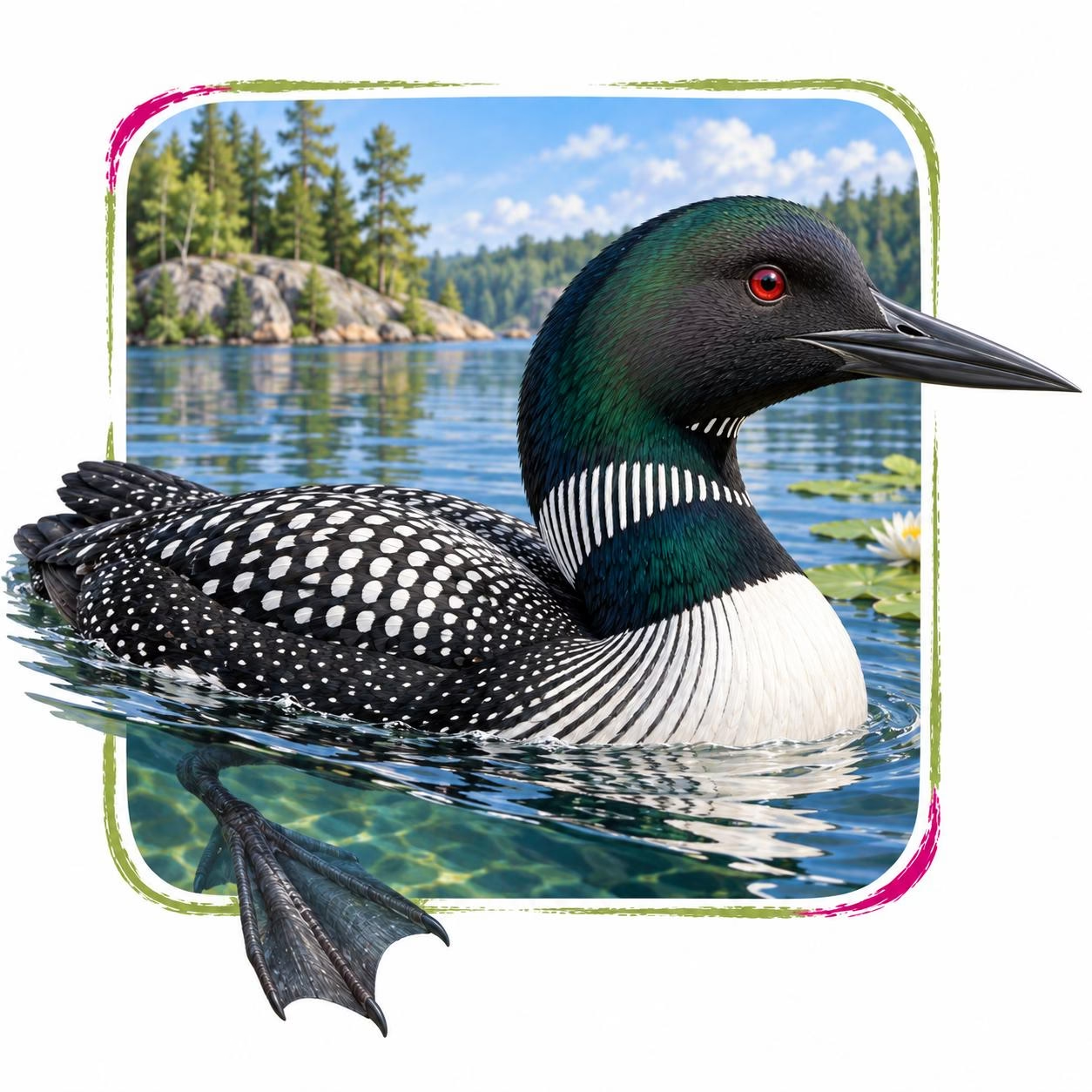
Loons are diving waterbirds known for haunting calls, sharp bills, webbed feet, and beautiful black-and-white breeding feathers. They are strong swimmers that catch fish underwater and often live on quiet northern lakes during nesting season.
Quick Loon Facts
- Animal Type: Bird
- Group: Loon and diving bird
- Known For: Deep diving, haunting calls, webbed feet, lake life, and fish hunting
- Habitat: Northern lakes, ponds, reservoirs, coastal waters, bays, open ocean, tundra lakes, and freshwater breeding areas depending on species and season
- Diet: Fish, crustaceans, aquatic insects, frogs, snails, leeches, and other water animals depending on species and habitat
What You’ll Learn
Learn 10 amazing loon facts for kids about haunting calls, diving, swimming, webbed feet, and lake life, plus a quiz, glossary, and activity
Easy explanations make them fun for children, families, teachers, and budding bird experts.
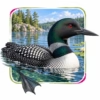
10 Fun Loon Facts for Kids
1. Loons Are Birds
Loons are birds with feathers, wings, beaks, eggs, and warm bodies.
Kid Decode: A loon is a lake bird with a ghostly song and diving goggles.
2. Loons Are Diving Birds
Loons are built for diving and swimming underwater to catch fish and other aquatic prey.
Kid Decode: They turn lakes into underwater hunting lanes.
3. Loons Have Webbed Feet
Loons use webbed feet to push powerfully through the water while diving.
Kid Decode: Their feet are feathered swim engines.
4. Their Legs Sit Far Back
A loon’s legs are set far back on the body, which helps it swim but makes walking on land awkward.
Kid Decode: Great in water, wobbly on land: very loon.
5. Baby Loons Are Chicks
Baby loons are called chicks. They hatch near water and depend on adults for food and protection.
Kid Decode: A loon chick is a fluffy lake passenger.
6. Loon Chicks Ride on Parents’ Backs
Young loon chicks may ride on a parent’s back to rest, stay warm, and avoid some dangers.
Kid Decode: The parent loon becomes a floating feather boat.
7. Loons Make Haunting Calls
Loons are famous for wild calls such as wails, tremolos, hoots, and yodels depending on the situation.
Kid Decode: A loon call sounds like the lake telling a secret.
8. Loons Nest Near Water
Loons usually nest close to the water’s edge because they are better swimmers than walkers.
Kid Decode: The nest is a shoreline launch pad.
9. Some Loons Migrate
Many loons move from inland breeding lakes to coastal waters or open water for winter.
Kid Decode: They trade quiet lakes for big-water winter roads.
10. Loons Need Clean Lakes
Loons need clean water, safe nesting shorelines, healthy fish populations, and quiet lake habitats.
Kid Decode: Protecting lakes keeps the deep divers calling.
The Weirdest Loon Fact
Loon legs are so far back on the body that loons are amazing swimmers but clumsy walkers on land.
Try This Loon Activity
Loon Drawing Activity
Draw a loon floating on a quiet lake. Add black-and-white feathers, red eyes, webbed feet under water, a chick riding on its back, fish, reeds, ripples, pine trees, and musical call bubbles.
Quick Loon Quiz
- What animal group are loons in? Answer: Birds.
- What are baby loons called? Answer: Chicks.
- What do loons dive to catch? Answer: Fish and other aquatic prey.
- Why do loons walk awkwardly on land? Answer: Their legs are set far back on the body.
- Where do many loons nest? Answer: Near the water’s edge.
Mini Glossary
- Bird: A warm-blooded animal with feathers, wings, and a beak.
- Chick: A baby bird.
- Diving Bird: A bird that swims underwater to catch food.
- Webbed Feet: Feet with skin between the toes that help an animal swim.
- Aquatic: Living in or near water.
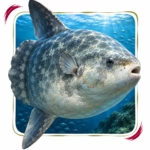 Ocean Sunfish Facts for Kids
 Blue Jay Facts for Kids
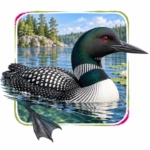
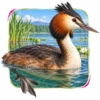
 Pigeon Facts for Kids
 Pink-Headed Duck Facts for Kids
More Animal Facts for Kids
Visit the full animal facts library or explore a focused animal group.
More Extinct Animal Facts for Kids
Discover dinosaurs, Ice Age giants, prehistoric sea creatures, recently extinct species, and other animals from the past.
Fact check note: Fact checked with Britannica loon resources, Britannica common loon resources, Cornell Lab common loon resources, and trusted waterbird education references.

Loon in its natural Lakes habitat