
Lorikeet Facts for Kids
Lorikeets are colorful parrots famous for feeding on nectar and pollen. Many live in Australia, New Guinea, and nearby islands, where their brush-tipped tongues help them sip from flowers and spread pollen like flying paintbrushes.
Quick Lorikeet Facts
- Animal Type: Bird
- Group: Parrot and lorikeet
- Known For: Brush-tipped tongues, nectar feeding, bright colors, loud calls, flocks, and pollination
- Habitat: Rainforests, woodlands, eucalyptus forests, mangroves, gardens, parks, coastal forests, and island habitats in Australia, New Guinea, and nearby regions depending on species
- Diet: Nectar, pollen, flowers, fruit, berries, soft seeds, and small insects depending on species and season
What You’ll Learn
Explore 10 rainbow lorikeet facts for kids about brush-tipped tongues, nectar, bright feathers, noisy flocks, and tree life, with a quiz, glossary, and activity
These simple facts are written for kids, parents, teachers, and curious young learners.
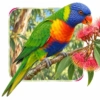
10 Fun Lorikeet Facts for Kids
1. Lorikeets Are Birds
Lorikeets are birds with feathers, wings, beaks, and eggs.
Kid Decode: A lorikeet is a rainbow parrot with a flower-sipping job.
2. Lorikeets Are Parrots
Lorikeets belong to the parrot group and have curved beaks and strong feet.
Kid Decode: They are parrots dressed like a flying crayon box.
3. Baby Lorikeets Are Chicks
Baby lorikeets are called chicks and hatch from eggs in tree holes or nest sites.
Kid Decode: A lorikeet chick starts life tucked inside a hidden parrot nursery.
4. Lorikeets Have Brush-Tipped Tongues
Lorikeets have special brush-tipped tongues that help collect nectar and pollen.
Kid Decode: Their tongues are tiny flower mops for sweet food.
5. Lorikeets Drink Nectar
Nectar is an important food for many lorikeets, along with pollen and fruit.
Kid Decode: Their meals can come straight from blossoms.
6. Lorikeets Help Pollinate
As lorikeets feed from flowers, pollen can stick to them and move between plants.
Kid Decode: They are feathered flower messengers.
7. Many Lorikeets Are Colorful
Many lorikeets have bright green, blue, red, orange, or yellow feathers.
Kid Decode: A lorikeet can look like the rainforest spilled its paint.
8. Lorikeets Can Be Loud
Lorikeets often call loudly while flying, feeding, or moving with flocks.
Kid Decode: Their voices are tiny sirens with feathers.
9. Lorikeets Often Live in Flocks
Many lorikeets feed, travel, or roost in groups.
Kid Decode: A flock of lorikeets is a noisy rainbow on the move.
10. Lorikeets Need Healthy Flowering Trees
Lorikeets depend on forests, flowering trees, fruit, and safe nesting places.
Kid Decode: Protecting trees keeps the nectar parrots buzzing through the sky.
The Weirdest Lorikeet Fact
A lorikeet has a brush-like tongue that works almost like a tiny paintbrush for licking nectar and pollen.
Try This Lorikeet Activity
Lorikeet Drawing Activity
Draw a rainbow lorikeet sipping nectar from flowers. Add a brush-tipped tongue, bright feathers, chicks in a tree hollow, pollen dots, fruit, flowering branches, flock friends, and colorful sound waves.
Quick Lorikeet Quiz
- What animal group are lorikeets in? Answer: Birds.
- What bird group do lorikeets belong to? Answer: Parrots.
- What are baby lorikeets called? Answer: Chicks.
- What special tongue do lorikeets have? Answer: A brush-tipped tongue.
- What sweet flower food do lorikeets drink? Answer: Nectar.
Mini Glossary
- Bird: An animal with feathers, wings, and a beak.
- Parrot: A bird group often known for curved beaks, strong feet, and clever behavior.
- Chick: A baby bird.
- Nectar: Sweet liquid made by flowers.
- Pollination: Moving pollen between flowers so plants can make seeds.
 Auk Facts for Kids
 Bactrian Camel Facts for Kids
 Buffalo Facts for Kids
 Steller's Sea Cow Facts for Kids
More Animal Facts for Kids
Visit the full animal facts library or explore a focused animal group.
More Extinct Animal Facts for Kids
Discover dinosaurs, Ice Age giants, prehistoric sea creatures, recently extinct species, and other animals from the past.
Fact check note: Fact checked with Britannica lorikeet resources, Britannica rainbow lorikeet resources, and trusted bird education references.

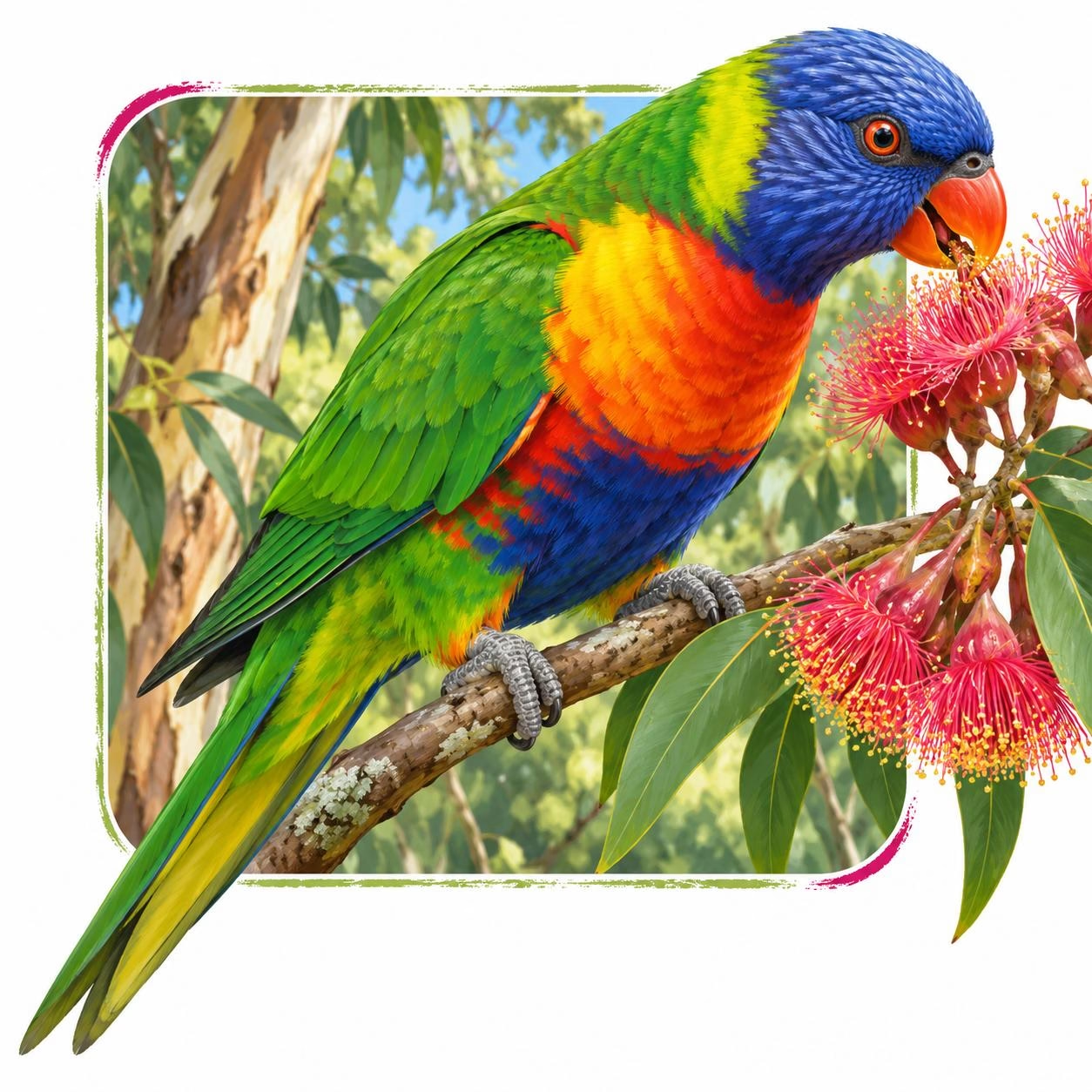
Lorikeet in its natural Forests habitat