
Lovebird Facts for Kids
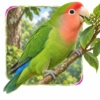
Lovebirds are small, colorful parrots from Africa and Madagascar. They are known for short tails, chunky bodies, bright feathers, social behavior, and strong pair bonds, which helped give these little parrots their sweet name.
Quick Lovebird Facts
- Animal Type: Bird
- Group: Parrot and lovebird
- Known For: Bright colors, strong pair bonds, short tails, social behavior, and small parrot size
- Habitat: Woodlands, savannas, scrublands, dry forests, grasslands, farms, and island habitats in Africa and Madagascar depending on species
- Diet: Seeds, grasses, fruit, berries, buds, leaves, flowers, and other plant foods depending on species and season
What You’ll Learn
Discover 10 adorable lovebird facts for kids about colorful feathers, pair bonds, nests, calls, and social behavior, plus a quiz, glossary, and activity
Easy explanations make them fun for children, families, teachers, and little fact-hunters.
10 Fun Lovebird Facts for Kids
1. Lovebirds Are Birds
Lovebirds are birds with feathers, wings, beaks, and eggs.
Kid Decode: A lovebird is a tiny parrot with a heart-shaped reputation.
2. Lovebirds Are Parrots
Lovebirds belong to the parrot group and have curved beaks and strong gripping feet.
Kid Decode: They are pocket-sized parrots with bright little opinions.
3. Baby Lovebirds Are Chicks
Baby lovebirds are called chicks and hatch from eggs in nests or nest cavities.
Kid Decode: A lovebird chick starts life as a tiny featherless peep.
4. Lovebirds Come From Africa
Most lovebird species are native to Africa, and one species comes from Madagascar.
Kid Decode: Their family story begins in warm lands of trees, grass, and sunshine.
5. Lovebirds Have Short Tails
Lovebirds have short tails compared with many other parrots.
Kid Decode: Their tiny tails give them a round, chunky look.
6. Lovebirds Are Social
Lovebirds are social birds and often stay close to mates or flock members.
Kid Decode: The name lovebird comes from cozy pair behavior, not tiny Valentine cards.
7. Lovebirds Eat Seeds and Plants
Lovebirds eat seeds, grasses, fruit, buds, and other plant foods.
Kid Decode: Their menu is a crunchy garden mix with fruity extras.
8. Lovebirds Use Strong Beaks
Lovebirds use curved beaks to crack seeds, nibble plants, and explore objects.
Kid Decode: The beak is a tiny parrot toolbox.
9. Lovebirds Can Be Colorful
Many lovebirds have green bodies with bright faces, but colors vary by species and pet varieties.
Kid Decode: They look like little paint drops that learned to chirp.
10. Lovebirds Need Safe Homes
Wild lovebirds need healthy habitats, while pet lovebirds need proper food, space, toys, and gentle care.
Kid Decode: A small bird still needs a big-quality life.
The Weirdest Lovebird Fact
Lovebirds got their name because pairs often sit close together and groom each other, but they do not have to be magical romance birds to be fascinating.
Try This Lovebird Activity
Lovebird Drawing Activity
Draw two lovebirds perched close together on a branch. Add colorful feathers, curved beaks, short tails, chicks in a nest, seeds, fruit, leaves, flowers, and little heart-shaped friendship icons.
Quick Lovebird Quiz
- What animal group are lovebirds in? Answer: Birds.
- What bird group do lovebirds belong to? Answer: Parrots.
- What are baby lovebirds called? Answer: Chicks.
- Where do wild lovebirds come from? Answer: Africa and Madagascar.
- What kind of tail do lovebirds have? Answer: A short tail.
Mini Glossary
- Bird: An animal with feathers, wings, and a beak.
- Parrot: A bird group often known for curved beaks, strong feet, and clever behavior.
- Chick: A baby bird.
- Pair Bond: A close social bond between two animals.
- Native: Naturally found in a place.
 Capybara Facts for Kids
 Sea Slug Facts for Kids
 Stingray Facts for Kids
 Mastodonsaurus Facts for Kids
More Animal Facts for Kids
Visit the full animal facts library or explore a focused animal group.
More Extinct Animal Facts for Kids
Discover dinosaurs, Ice Age giants, prehistoric sea creatures, recently extinct species, and other animals from the past.
Fact check note: Fact checked with Britannica lovebird resources, Britannica parrot resources, and trusted bird education references.

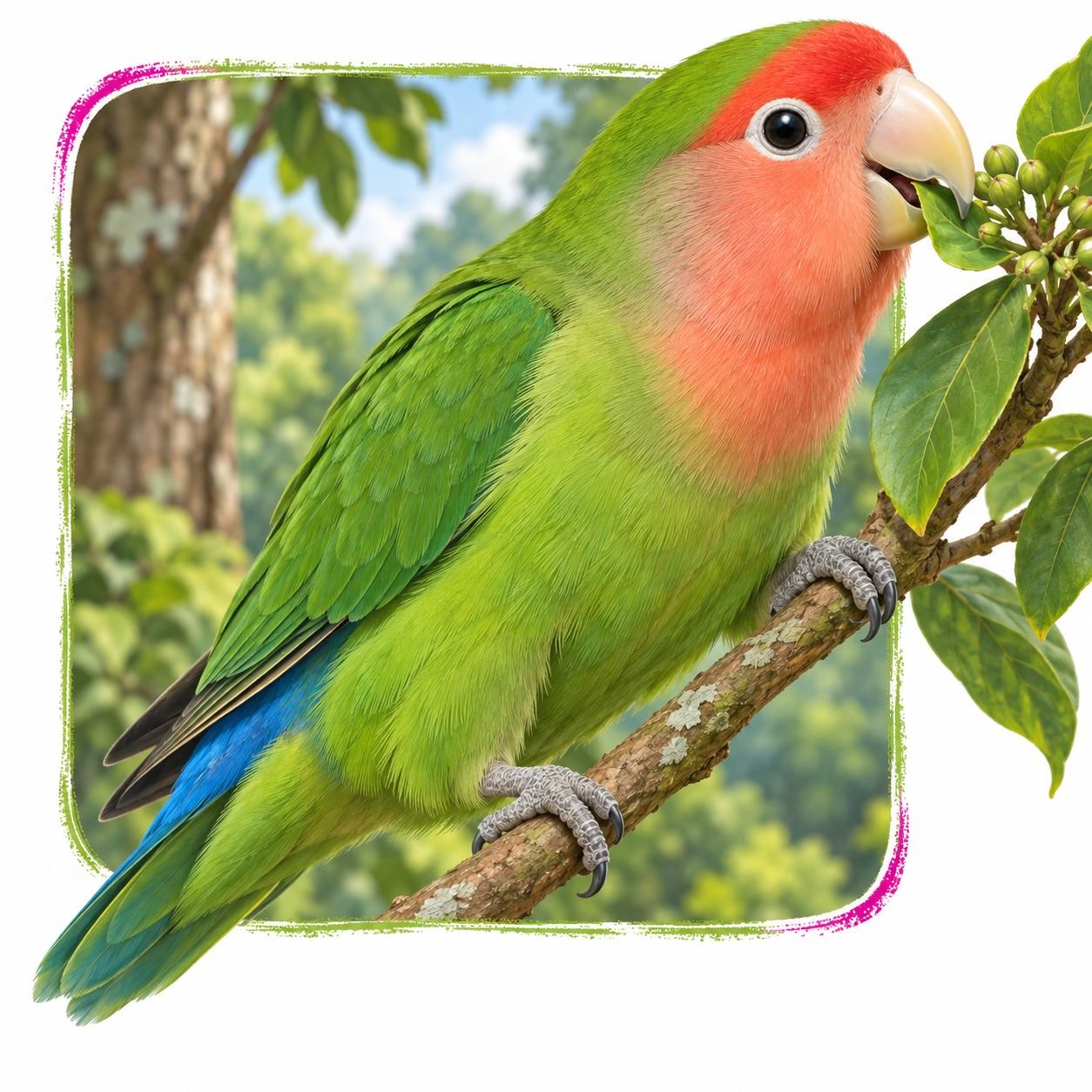
Lovebird in its natural Forests habitat