
Mantis Facts for Kids
Mantis usually means praying mantis, a patient insect hunter with folded front legs and a triangular head. Mantises wait quietly on leaves and stems, then grab insects with lightning-fast spiny forelegs.
Quick Mantis Facts
- Animal Type: Insect
- Group: Mantodea and praying mantis group
- Known For: Folded raptorial forelegs, triangular head, flexible neck, camouflage, nymphs, ootheca egg cases, molting, and ambush hunting
- Habitat: Gardens, grasslands, forests, shrubs, meadows, farms, tropical habitats, and warm or temperate places depending on species
- Diet: Flies, moths, grasshoppers, crickets, beetles, butterflies, bees, spiders, and other small animals depending on size and species
What You’ll Learn
Explore 10 dazzling bird-of-paradise facts for kids about spectacular feathers, dances, rainforest life, fruit, and courtship displays, with a quiz, glossary, and activity
These facts are explained simply for kids, parents, teachers, and curious little fact-finders.
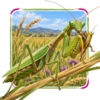
10 Fun Mantis Facts for Kids
1. Mantises Are Insects
Mantises are insects, so they have six legs, three main body parts, antennae, and an outer skeleton.
Kid Decode: A mantis is a tiny armored hunter in the insect world.
2. They Are Predators
Mantises are predators that catch and eat other small animals, especially insects.
Kid Decode: They wait like quiet leaf statues until dinner wanders close.
3. Baby Mantises Are Nymphs
Baby mantises are called nymphs and look like smaller wingless versions of adults.
Kid Decode: A mantis nymph is a mini hunter from the moment it hatches.
4. Eggs Are in an Ootheca
Female mantises lay eggs in a foamy case that hardens into an ootheca.
Kid Decode: The ootheca is like a tough bubble nursery for mantis babies.
5. They Have Raptorial Forelegs
Mantises have enlarged spiny front legs made for grabbing prey.
Kid Decode: Those folded arms are really snap-shut hunting tools.
6. They Can Turn Their Heads
Mantises can turn their heads more than many insects, helping them track movement.
Kid Decode: A mantis can look around like a tiny garden guard.
7. They Use Camouflage
Many mantises blend with leaves, sticks, bark, flowers, or grass.
Kid Decode: Sometimes the insect hunter looks like the plant itself.
8. They Have Big Compound Eyes
Mantises have large compound eyes that help them notice movement.
Kid Decode: Those eyes are built for spotting tiny twitchy snacks.
9. They Molt as They Grow
Mantis nymphs grow by shedding their old outer covering in molts.
Kid Decode: New size, new suit, same hungry attitude.
10. They Help and Hunt in Gardens
Mantises may eat pest insects, but they can also eat helpful insects.
Kid Decode: They are not garden superheroes or villains; they are wild predators doing predator work.
The Weirdest Mantis Fact
A mantis has front legs that look folded in prayer, but they are actually spiny prey-grabbing traps.
Try This Mantis Activity
Mantis Drawing Activity
Draw a praying mantis on a leafy garden stem. Add triangular head, big compound eyes, antennae, folded spiny forelegs, green camouflage, ootheca egg case, tiny nymphs, grasshopper prey, leaf veins, and molting shell.
Quick Mantis Quiz
- What animal group are mantises in? Answer: Insects.
- What are baby mantises called? Answer: Nymphs.
- What is a mantis egg case called? Answer: An ootheca.
- What are the spiny grabbing front legs called? Answer: Raptorial forelegs.
- How do many mantises hide from prey and predators? Answer: Camouflage.
Mini Glossary
- Insect: An animal with six legs, antennae, and three main body parts.
- Nymph: A young insect that looks like a smaller wingless adult.
- Ootheca: A protective egg case made by mantises and some other insects.
- Raptorial Forelegs: Front legs shaped for grabbing prey.
- Molt: To shed an old outer covering so the body can grow.


 Leopard Facts for Kids
 Indian Rock Python Facts for Kids
 Musk Ox Facts for Kids
 Gorgonops Facts for Kids
More Animal Facts for Kids
Visit the full animal facts library or explore a focused animal group.
More Extinct Animal Facts for Kids
Discover dinosaurs, Ice Age giants, prehistoric sea creatures, recently extinct species, and other animals from the past.
Fact check note: Fact checked with National Geographic Kids praying mantis resources, Britannica mantis resources, and trusted insect education references.

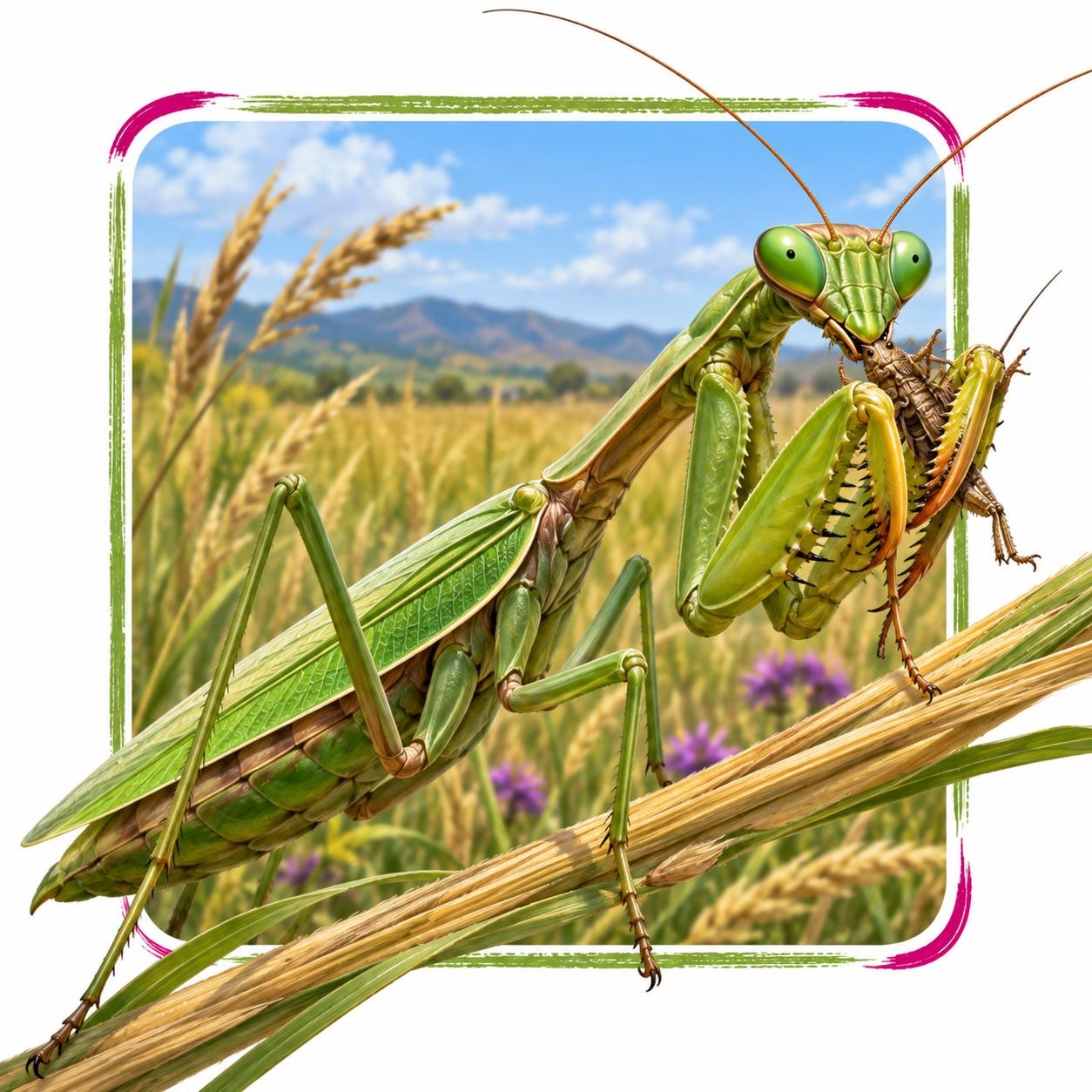
Mantis in its natural Grasslands habitat