
Marabou Stork Facts for Kids
Marabou storks are huge African wading birds with long legs, bald heads, big bills, and a dangling throat pouch. They are famous scavengers, helping clean up carrion and scraps while also catching live prey such as insects, fish, and small animals.
Quick Marabou Stork Facts
- Animal Type: Bird
- Group: Stork and wading bird
- Known For: Bald head, huge bill, throat pouch, scavenging, tall body, broad wings, chicks, and cleanup role
- Habitat: Wetlands, savannas, grasslands, river edges, lakeshores, floodplains, open country, towns, and landfill areas in sub-Saharan Africa
- Diet: Carrion, scraps, fish, insects, frogs, reptiles, rodents, birds, eggs, and other small animals depending on what is available
What You’ll Learn
Explore 10 pink roseate spoonbill facts for kids about spoon-shaped bills, sweeping feeding, wetlands, flocks, and bright feathers, with a quiz, glossary, and activity
These facts are explained simply for kids, parents, teachers, and curious little fact-finders.
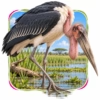
10 Fun Marabou Stork Facts for Kids
1. Marabou Storks Are Birds
Marabou storks are birds, so they have feathers, beaks, wings, and lay eggs.
Kid Decode: A marabou stork is a giant cleanup bird with a very serious beak.
2. They Are Storks
Marabou storks belong to the stork family, a group of long-legged wading birds.
Kid Decode: They are not vultures, but they share the cleanup crew job.
3. Baby Marabou Storks Are Chicks
Baby marabou storks are called chicks and grow in large stick nests.
Kid Decode: A marabou chick starts life high above the ground in a twiggy nursery.
4. They Have Bald Heads
Marabou storks have bare heads and necks, which can help them stay cleaner while feeding on messy carrion.
Kid Decode: No feather shampoo needed on that bald cleanup head.
5. They Have Huge Bills
Their big strong bills help them grab food, carry nesting material, and handle large scraps.
Kid Decode: That beak looks like a serious tool from the bird toolbox.
6. They Have Throat Pouches
Marabou storks have a dangling throat pouch called a gular sac.
Kid Decode: The pouch gives this bird an unforgettable front-view silhouette.
7. They Are Scavengers
Marabou storks often feed on carrion and scraps, helping remove dead material from the environment.
Kid Decode: They are nature’s awkward but useful cleanup truck.
8. They Also Hunt Live Prey
Marabou storks may catch fish, frogs, insects, reptiles, and small animals.
Kid Decode: Their menu is not picky; it is very opportunistic.
9. They Nest in Colonies
Marabou storks can build large stick nests in trees, often near other storks.
Kid Decode: A nesting group can look like a noisy treetop apartment block.
10. They Are Strong Soarers
Marabou storks use broad wings to soar on warm rising air.
Kid Decode: A giant stork can cruise the sky without flapping like a frantic pigeon.
The Weirdest Marabou Stork Fact
A marabou stork’s bald head may look strange, but it helps the bird stay cleaner while feeding on carrion.
Try This Marabou Stork Activity
Marabou Stork Drawing Activity
Draw a marabou stork standing by an African wetland. Add long legs, bald head, huge bill, gular sac, broad wings, chicks in a stick nest, fish, insects, carrion cleanup icons, reeds, and warm sky thermals.
Quick Marabou Stork Quiz
- What animal group are marabou storks in? Answer: Birds.
- What are baby marabou storks called? Answer: Chicks.
- What family group do marabou storks belong to? Answer: Storks.
- Why is a bald head useful for a scavenger? Answer: It helps keep the head cleaner while feeding.
- What is the dangling throat pouch called? Answer: A gular sac.
Mini Glossary
- Bird: An animal with feathers, a beak, and wings.
- Chick: A baby bird.
- Scavenger: An animal that eats dead animals or leftover scraps.
- Carrion: Dead animal matter eaten by scavengers.
- Gular Sac: A throat pouch found on some birds.
 Great Horned Owl Facts for Kids
 Bush Baby Facts for Kids
 Wrasse Facts for Kids
 Homotherium Facts for Kids
More Animal Facts for Kids
Visit the full animal facts library or explore a focused animal group.
More Extinct Animal Facts for Kids
Discover dinosaurs, Ice Age giants, prehistoric sea creatures, recently extinct species, and other animals from the past.
Fact check note: Fact checked with Fort Worth Zoo marabou stork resources, Cleveland Zoo Society marabou stork resources, Animal Diversity Web stork references, and trusted African bird education sources.

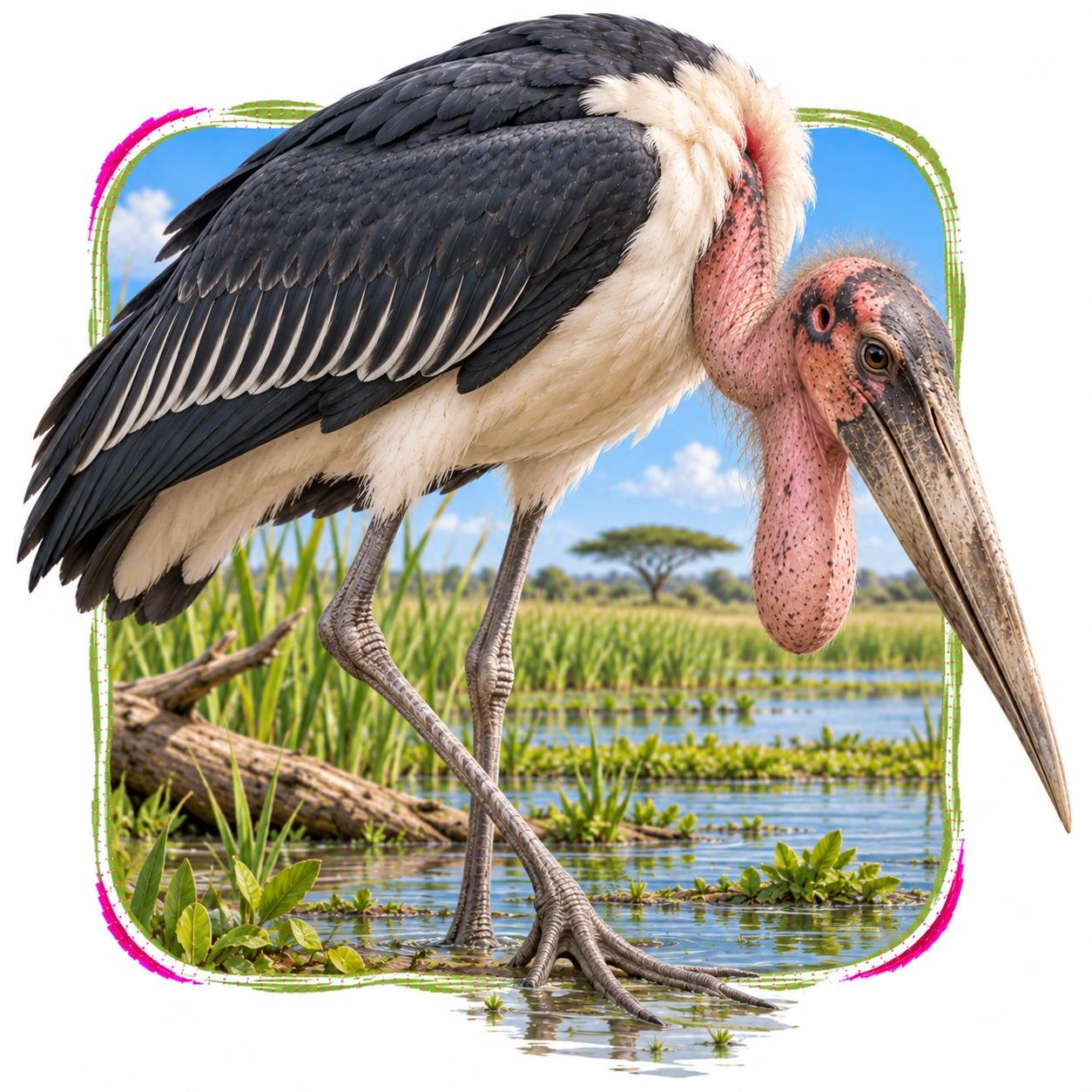
Marabou Stork in its natural Wetlands habitat