
Mayfly Facts for Kids
Mayflies are delicate insects with young stages that live in water. Their adults are famous for very short lives, often only hours or days, while their aquatic nymphs may spend much longer growing in streams, rivers, ponds, or lakes.
Quick Mayfly Facts
- Animal Type: Insect
- Group: Mayfly order Ephemeroptera
- Known For: Aquatic nymphs, short-lived adults, gills, delicate wings, subimago stage, swarms, and clean-water links
- Habitat: Streams, rivers, lakes, ponds, wetlands, stones, aquatic plants, muddy bottoms, and freshwater habitats as nymphs; nearby air and vegetation as adults
- Diet: Nymphs eat algae, plant bits, detritus, tiny organisms, and organic matter; adults usually do not feed much or at all
What You’ll Learn
Learn 10 impressive stag beetle facts for kids about giant jaws, strong bodies, larvae, woodland habitats, and beetle battles, plus a quiz, glossary, and activity
Simple explanations make them fun for children, families, teachers, and young animal fans.
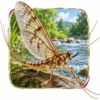
10 Fun Mayfly Facts for Kids
1. Mayflies Are Insects
Mayflies are insects with six legs, three body parts, antennae, and delicate wings as adults.
Kid Decode: A mayfly is a tiny freshwater dancer with glassy wings.
2. Baby Mayflies Are Nymphs
Young mayflies are called nymphs and live in water.
Kid Decode: A mayfly nymph is a little underwater crawler with gills.
3. Mayfly Nymphs Have Gills
Mayfly nymphs use gills to take oxygen from water.
Kid Decode: Their gills are tiny underwater breathing fans.
4. Mayflies Live Much of Life in Water
Mayflies spend their young stages in freshwater before becoming flying adults.
Kid Decode: The water chapter is the long part of the mayfly story.
5. Mayflies Have a Subimago Stage
Mayflies are unusual because they have a winged stage called a subimago before the final adult stage.
Kid Decode: It is like a practice adult with wings.
6. Adult Mayflies Are Called Imagos
The final adult stage of a mayfly is called an imago.
Kid Decode: The imago is the grown-up flying chapter.
7. Adult Mayflies Live Briefly
Adult mayflies usually live only a short time, sometimes just hours or a few days.
Kid Decode: Their adult life is a tiny spark in the air.
8. Adult Mayflies Often Do Not Eat
Adult mayflies have reduced mouthparts and usually focus on mating and laying eggs.
Kid Decode: They save the big eating for the underwater childhood.
9. Mayflies Can Hatch in Big Groups
Mayflies may emerge together in large numbers, creating swarms near water.
Kid Decode: Suddenly, the river seems to grow wings.
10. Mayflies Help Freshwater Food Webs
Fish, birds, frogs, spiders, and other animals eat mayfly nymphs or adults.
Kid Decode: Mayflies are tiny but important river snacks.
The Weirdest Mayfly Fact
Mayflies are the only insects with two winged adult-like stages: subimago and imago.
Try This Mayfly Activity
Mayfly Drawing Activity
Draw a mayfly life cycle beside a river. Add eggs in water, aquatic nymph with gills, subimago with cloudy wings, adult imago with clear wings, fish, stones, algae, swarm dots above the river, and sunset light.
Quick Mayfly Quiz
- What animal group are mayflies in? Answer: Insects.
- What are baby mayflies called? Answer: Nymphs.
- Where do mayfly nymphs live? Answer: In fresh water.
- What is the first winged stage called? Answer: Subimago.
- What is the final adult stage called? Answer: Imago.
Mini Glossary
- Insect: An animal with six legs, three body parts, and antennae.
- Nymph: A young insect stage that looks partly like the adult but lives in water for mayflies.
- Subimago: A winged mayfly stage before the final adult stage.
- Imago: The final adult insect stage.
- Gills: Body parts used to take oxygen from water.
 Cicada Facts for Kids
 Gray Wolf Facts for Kids
 Corn Snake Facts for Kids
 Giant Ground Sloth Facts for Kids
More Animal Facts for Kids
Visit the full animal facts library or explore a focused animal group.
More Extinct Animal Facts for Kids
Discover dinosaurs, Ice Age giants, prehistoric sea creatures, recently extinct species, and other animals from the past.
Fact check note: Fact checked with Britannica mayfly resources, Britannica Kids mayfly resources, and trusted freshwater insect education references.

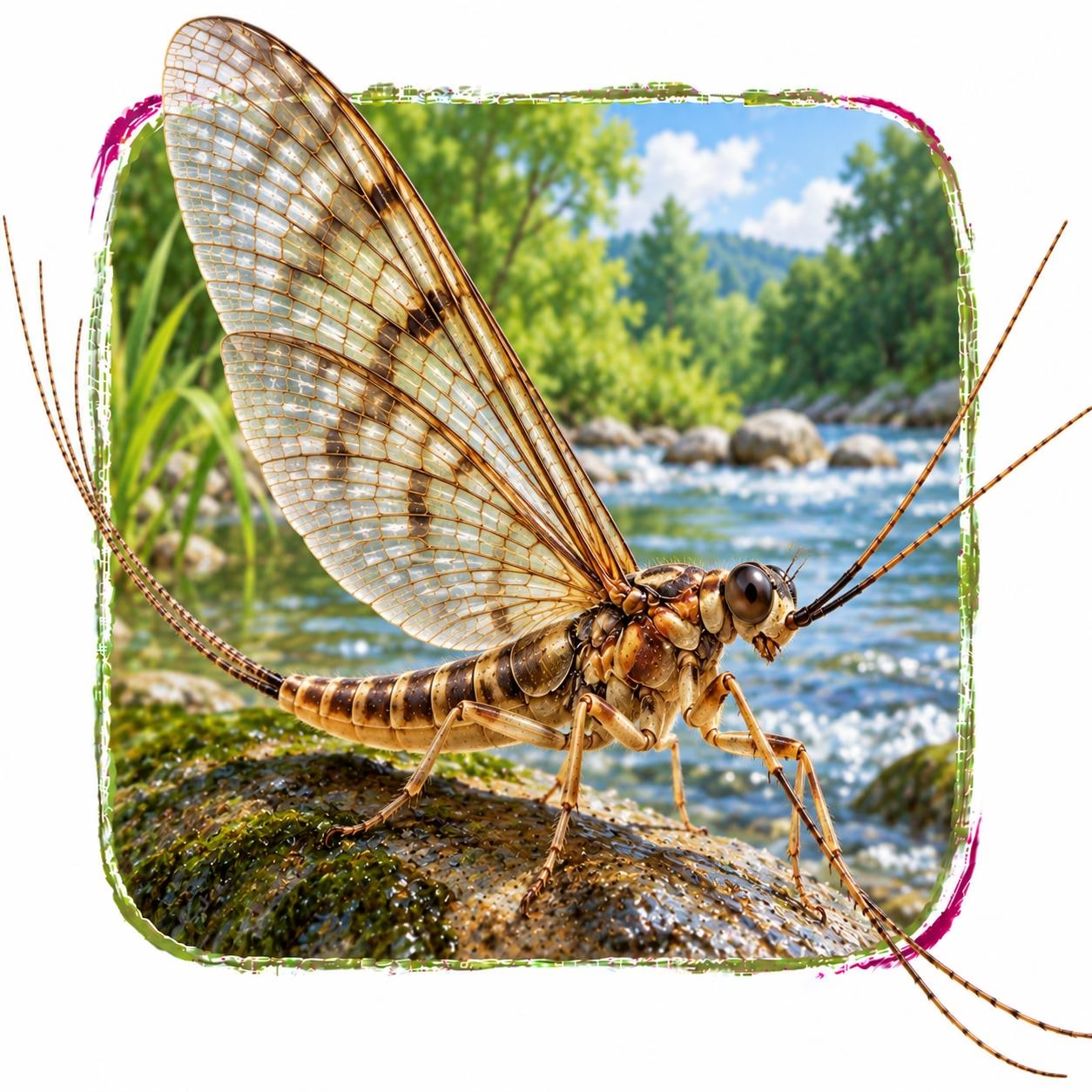
Mayfly in its natural Rivers habitat