
Moose Facts for Kids
Moose are the largest members of the deer family. They are tall, long-legged mammals with big noses, strong bodies, and huge antlers on adult males. Moose often live near forests, lakes, rivers, and wetlands in northern regions.
Quick Moose Facts
- Animal Type: Mammal
- Group: Deer family
- Known For: Huge size and wide antlers
- Habitat: Northern forests, wetlands, lakes, rivers, and tundra edges
- Diet: Leaves, twigs, bark, shrubs, aquatic plants, and other vegetation
What You’ll Learn
Learn 10 surprising moose facts for kids about huge antlers, long legs, swimming, food, and northern habitats, plus a quiz, glossary, and moose activity
These facts are written clearly for kids, parents, teachers, and eager little learners.
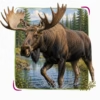
10 Fun Moose Facts for Kids
1. Moose Are the Largest Deer
Moose are the biggest animals in the deer family. Adult males can be very tall and heavy compared with other deer.
Kid Decode: A moose is the skyscraper of the deer family.
2. Male Moose Grow Huge Antlers
Only male moose grow antlers. Their antlers can be wide and flattened, with upright points.
Kid Decode: A bull moose wears giant leafy-looking head gear.
3. Moose Shed and Regrow Antlers
Male moose lose their antlers and grow new ones each year. Growing antlers are covered in soft velvet at first.
Kid Decode: Moose can grow a fresh antler crown every year.
4. Baby Moose Are Called Calves
A baby moose is called a calf. Calves stay close to their mothers and learn how to find food and avoid danger.
Kid Decode: A moose calf is a tall baby on wobbly legs.
5. Moose Are Herbivores
Moose eat plants such as leaves, twigs, bark, shrubs, and water plants. They are browsers more than grass grazers.
Kid Decode: Moose prefer tree snacks over lawn snacks.
6. Moose Are Good Swimmers
Moose can swim well and may enter lakes or rivers to find aquatic plants or move through their habitat.
Kid Decode: A moose can paddle like a giant forest boat.
7. Moose Have Long Legs
Moose have long legs that help them walk through deep snow, marshy ground, and shallow water.
Kid Decode: Moose legs are built for snow, mud, and splashes.
8. Moose Have Big Noses
A moose has a large, long nose and flexible upper lip. This helps it pull leaves and twigs from branches.
Kid Decode: A moose nose is a leafy snack grabber.
9. Moose Are Usually Solitary
Moose often live alone rather than in big herds, except mothers with calves or during mating season.
Kid Decode: A moose often likes quiet forest time.
10. Moose Live in Northern Places
Moose are found in northern forests and cold regions of North America, Europe, and Asia. They are well suited to cooler climates.
Kid Decode: Moose are giants of the chilly woods.
The Weirdest Moose Fact
A male moose can grow antlers wider than many kids are tall, and then lose and regrow them each year.
Try This Moose Activity
Moose Drawing Activity
Draw a moose standing beside a forest lake. Add wide antlers, long legs, a big nose, pine trees, water plants, and a calf nearby.
Quick Moose Quiz
- What animal family do moose belong to? Answer: The deer family.
- Are moose the largest deer? Answer: Yes.
- What is a baby moose called? Answer: A calf.
- Do female moose usually grow antlers? Answer: No.
- Can moose swim? Answer: Yes.
Mini Glossary
- Calf: A baby moose.
- Antlers: Bony growths on the heads of male moose.
- Browser: An animal that eats leaves, twigs, and shrubs.
- Aquatic Plants: Plants that grow in water.
- Wetland: A watery habitat with plants and animals.
 Mantis Shrimp Facts for Kids
 Takin Facts for Kids
 Lorikeet Facts for Kids
 Megalania Facts for Kids
More Animal Facts for Kids
Visit the full animal facts library or explore a focused animal group.
More Extinct Animal Facts for Kids
Discover dinosaurs, Ice Age giants, prehistoric sea creatures, recently extinct species, and other animals from the past.
Fact check note: Fact checked with Britannica Kids moose resources, Britannica moose resources, and trusted wildlife education references.

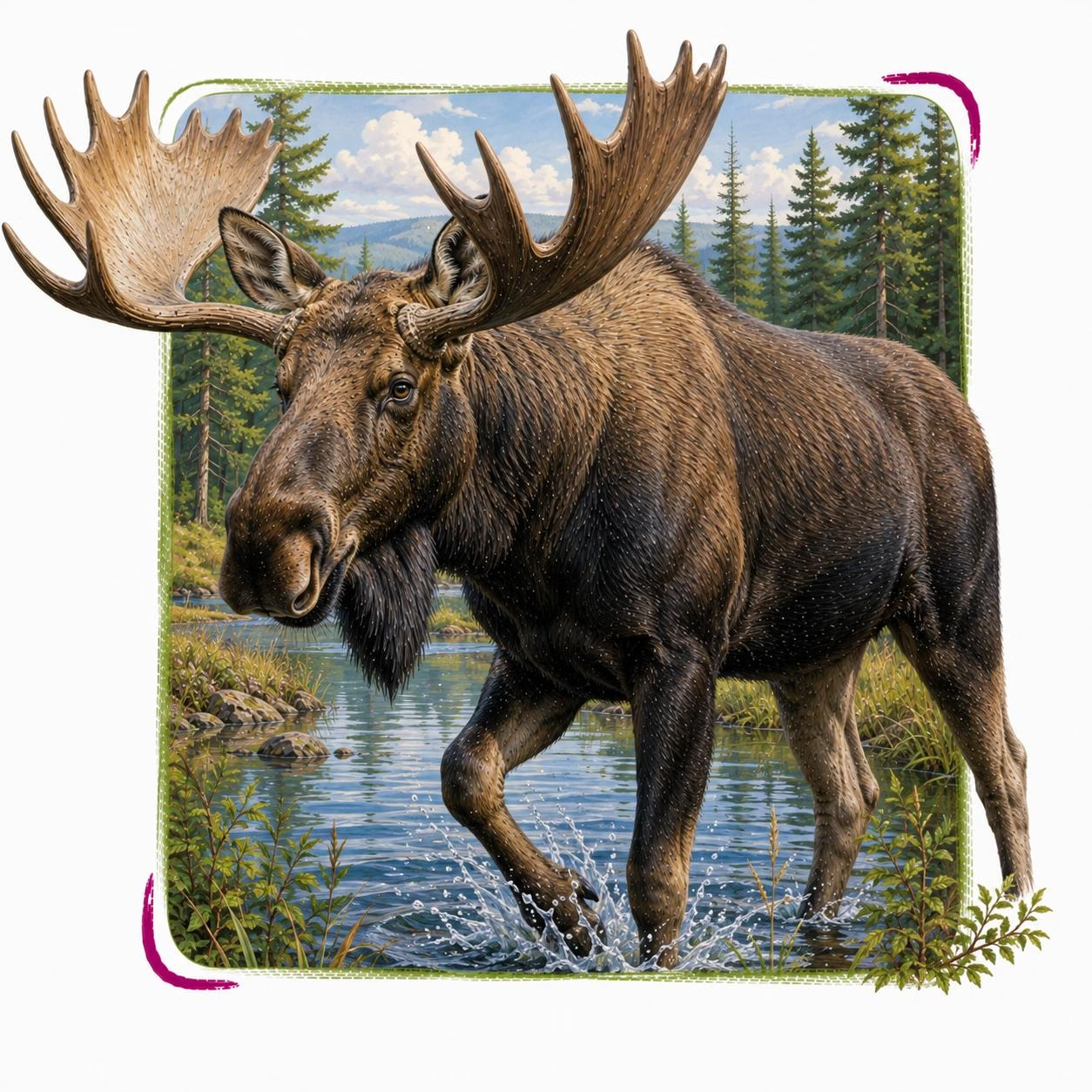
Moose in its natural Forests habitat