
Mute Swan Facts for Kids
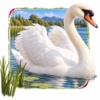
Mute swans are large graceful waterbirds with white feathers, long curved necks, orange bills, and black knobs at the base of the bill. They may look calm, but adults can be very protective around nests and young.
Quick Mute Swan Facts
- Animal Type: Bird
- Group: Swan and waterfowl
- Known For: White feathers, orange bill, black knob, curved S-shaped neck, cygnets, large wings, and elegant swimming
- Habitat: Lakes, ponds, rivers, marshes, canals, bays, parks, wetlands, slow waterways, and coastal waters depending on region
- Diet: Aquatic plants, algae, pondweeds, grasses, seeds, roots, small invertebrates, and other water plants
What You’ll Learn
Discover 10 fascinating snow goose facts for kids about white feathers, migration, honking, giant flocks, and Arctic nesting, with a quiz, glossary, and activity
These easy facts are written for kids, parents, teachers, and curious young learners.
10 Fun Mute Swan Facts for Kids
1. Mute Swans Are Birds
Mute swans are birds, so they have feathers, beaks, wings, and lay eggs.
Kid Decode: A mute swan is a white waterbird with ballet-boat energy.
2. They Are Waterfowl
Mute swans belong to the waterfowl group, along with ducks and geese.
Kid Decode: They are the giant elegant cousins in the pond family.
3. Baby Mute Swans Are Cygnets
Baby swans are called cygnets and often look gray or brownish when young.
Kid Decode: A cygnet is a fluffy little future swan-cloud.
4. They Have Orange Bills
Adult mute swans usually have orange bills with black at the base.
Kid Decode: That orange bill is one of their brightest ID clues.
5. They Have Black Knobs
Adults have a black knob at the base of the bill, especially noticeable in males.
Kid Decode: The knob looks like a tiny dark button above the beak.
6. They Curve Their Necks
Mute swans often swim with the neck curved in an S shape.
Kid Decode: Their neck can look like a question mark floating on water.
7. They Raise Their Wings in Display
Mute swans may arch or raise their wings while swimming, especially when displaying or defending space.
Kid Decode: That wing pose says, “This pond corner is taken.”
8. They Eat Aquatic Plants
Mute swans feed on pondweeds, algae, grasses, and other water plants.
Kid Decode: Their meal plan is mostly underwater salad.
9. They Build Large Nests
Mute swans build bulky nests near water using plants and reeds.
Kid Decode: A swan nest can look like a leafy island nursery.
10. They Need Respectful Distance
Mute swans can be protective around nests and cygnets, so people should watch from a safe distance.
Kid Decode: Beautiful birds still need personal space.
The Weirdest Mute Swan Fact
A mute swan is not truly silent; it can hiss, snort, grunt, and make wing sounds, even though its name says “mute.”
Try This Mute Swan Activity
Mute Swan Drawing Activity
Draw a mute swan family on a lake. Add white adult swan, orange bill, black knob, curved S-shaped neck, fluffy cygnets, big nest of reeds, aquatic plants, wing display pose, ripples, and a “watch from a distance” sign.
Quick Mute Swan Quiz
- What animal group are mute swans in? Answer: Birds.
- What are baby swans called? Answer: Cygnets.
- What color is an adult mute swan’s bill? Answer: Orange with black at the base.
- What shape does the neck often make while swimming? Answer: An S shape.
- What do mute swans mostly eat? Answer: Aquatic plants.
Mini Glossary
- Bird: An animal with feathers, a beak, and wings.
- Cygnet: A baby swan.
- Waterfowl: Birds such as ducks, geese, and swans that often live near water.
- Aquatic Plant: A plant that grows in or near water.
- Display: A behavior animals use to show warning, courtship, or territory.
 Mite Facts for Kids
 Fossa Facts for Kids
 Tarantula Facts for Kids
 Nodosaurus Facts for Kids
More Animal Facts for Kids
Visit the full animal facts library or explore a focused animal group.
More Extinct Animal Facts for Kids
Discover dinosaurs, Ice Age giants, prehistoric sea creatures, recently extinct species, and other animals from the past.
Fact check note: Fact checked with Cornell Lab mute swan resources, Audubon swan resources, and trusted waterbird education references.

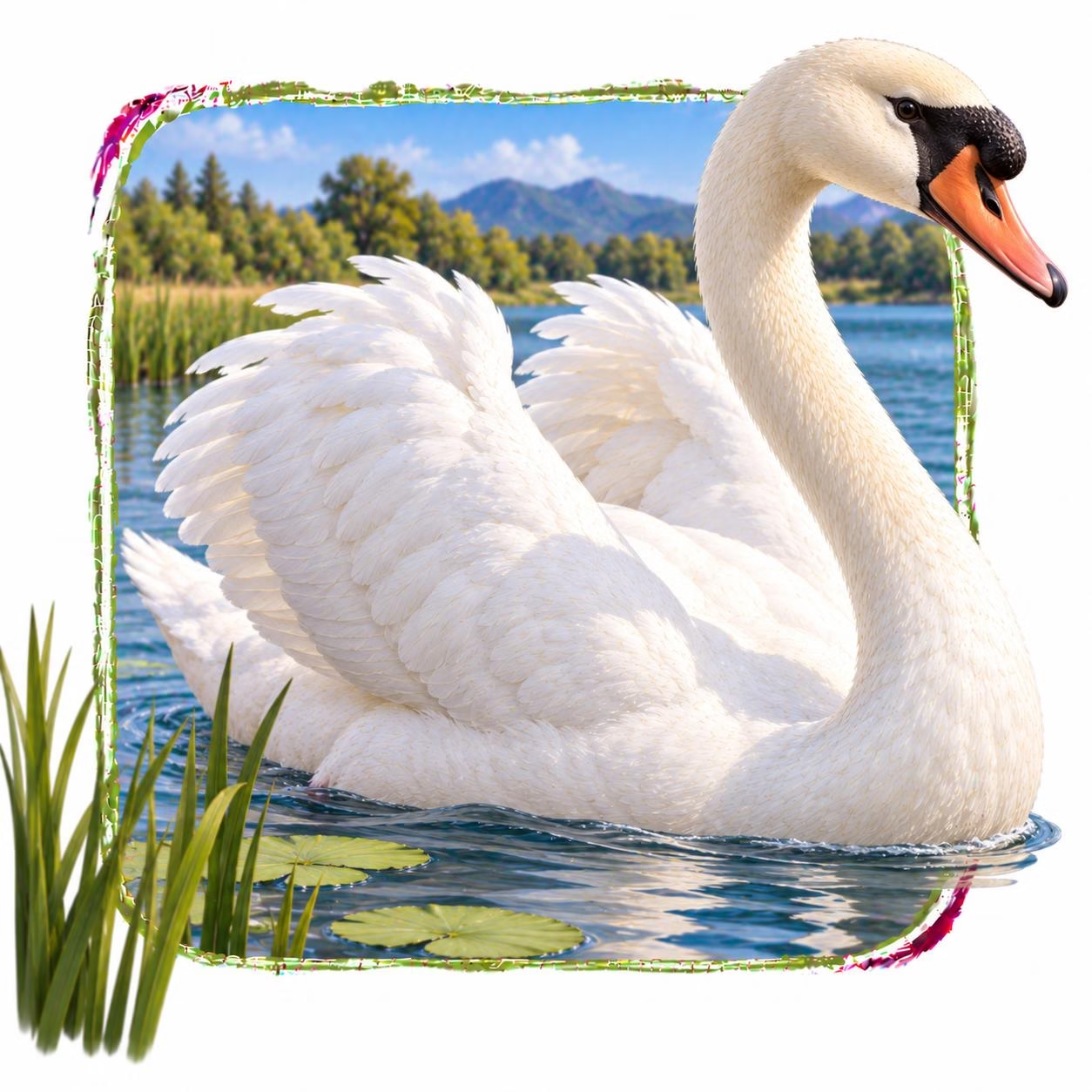
Mute Swan in its natural Lakes habitat