
Nightingale Facts for Kids
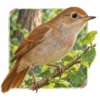
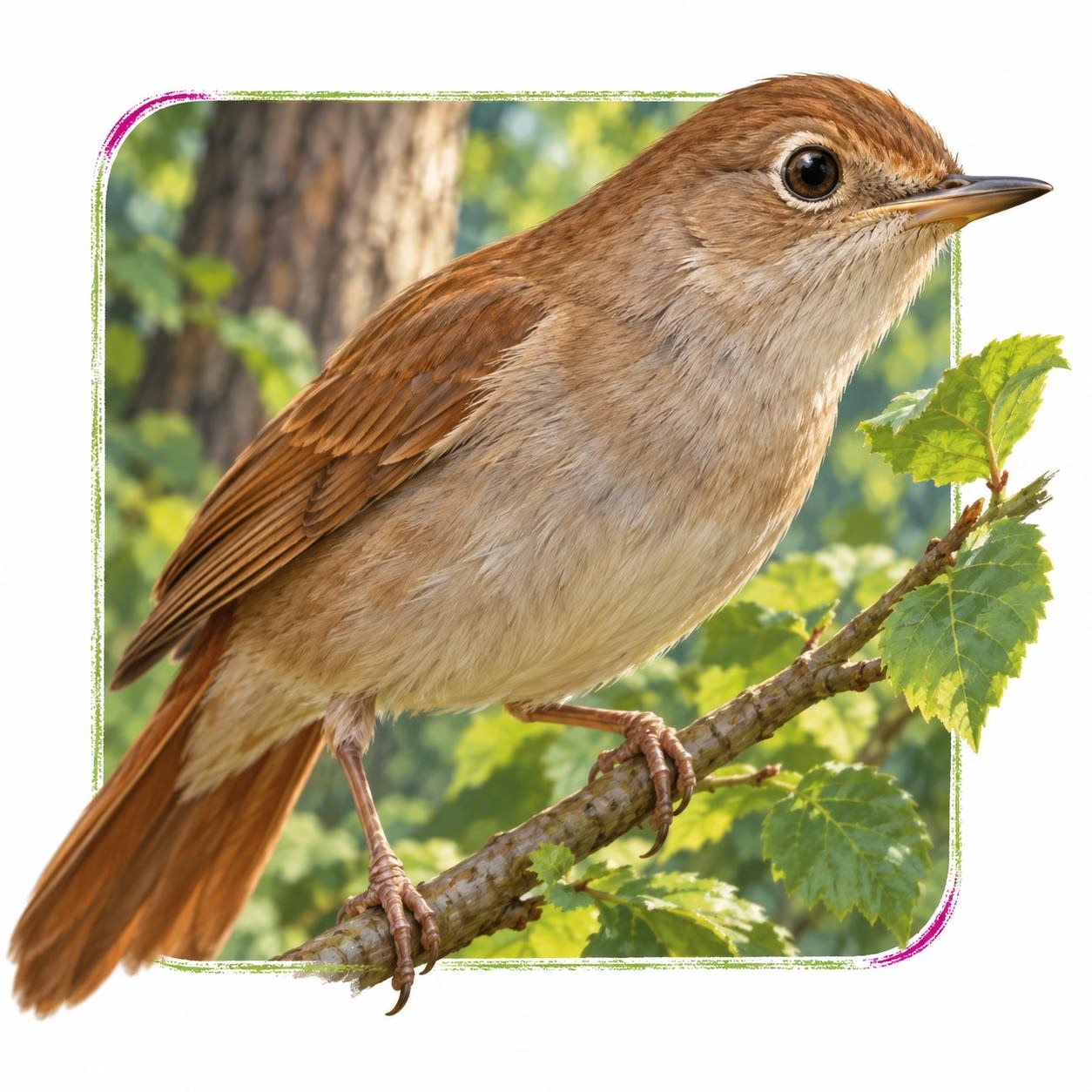
Nightingales are small brown songbirds famous for powerful, beautiful songs. The common nightingale is often heard in spring and early summer, and males may sing from hidden shrubs during the day or even at night.
Quick Nightingale Facts
- Animal Type: Bird
- Group: Songbird and Old World flycatcher relative
- Known For: Strong song, night singing, brown feathers, reddish tail, shrubs, and migration
- Habitat: Shrublands, thickets, woodland edges, hedgerows, gardens, scrubby forests, river valleys, and winter habitats in Africa depending on season
- Diet: Insects, beetles, ants, caterpillars, spiders, worms, berries, fruit, and other small foods depending on season
What You’ll Learn
Learn 10 musical nightingale facts for kids about powerful songs, migration, insects, nesting, and nighttime singing, plus a quiz, glossary, and activity
Easy explanations make them fun for children, families, teachers, and young bird fans.
10 Fun Nightingale Facts for Kids
1. Nightingales Are Birds
Nightingales are birds with feathers, wings, beaks, and eggs.
Kid Decode: A nightingale is a plain brown bird with a treasure-chest voice.
2. Nightingales Are Songbirds
Nightingales are famous songbirds known for rich, varied songs.
Kid Decode: Their music can make a quiet shrub sound enchanted.
3. Baby Nightingales Are Chicks
Baby nightingales are called chicks and hatch from eggs in hidden nests.
Kid Decode: A nightingale chick begins life tucked away in leafy cover.
4. Male Nightingales Sing Strong Songs
Male nightingales are especially known for powerful songs during breeding season.
Kid Decode: One small bird can pour out a huge river of sound.
5. Nightingales May Sing at Night
Nightingales can sing at night, which helped give them their famous name.
Kid Decode: When other birds go quiet, the nightingale may start the moon concert.
6. Nightingales Look Plain Brown
Common nightingales are mostly brown with a warmer reddish tail.
Kid Decode: They prove a bird does not need bright feathers to be unforgettable.
7. Nightingales Like Thick Cover
Nightingales often stay hidden in shrubs, thickets, and tangled plants.
Kid Decode: The best singer may be the hardest bird to see.
8. Nightingales Eat Insects
Nightingales feed on insects, spiders, worms, and other small invertebrates.
Kid Decode: Their songs are fancy, but their snacks are crunchy.
9. Some Nightingales Migrate
Common nightingales breed in parts of Europe and Asia and spend winter in Africa.
Kid Decode: Their year has a long sky-road chapter.
10. Nightingales Need Safe Shrub Habitats
Nightingales need insects, thick cover, safe nesting places, and healthy migration routes.
Kid Decode: Protecting thickets helps the famous singers return.
The Weirdest Nightingale Fact
A nightingale can look plain and secretive, but its song can be one of the loudest, richest sounds in the spring night.
Try This Nightingale Activity
Nightingale Drawing Activity
Draw a nightingale singing from a hidden shrub at moonrise. Add brown feathers, reddish tail, chicks in a low nest, insects, berries, thick leaves, musical notes, stars, and a quiet garden path.
Quick Nightingale Quiz
- What animal group are nightingales in? Answer: Birds.
- What are baby nightingales called? Answer: Chicks.
- What are nightingales famous for? Answer: Their strong songs.
- When may nightingales sing? Answer: During the day or at night.
- Where do nightingales often hide? Answer: In shrubs and thickets.
Mini Glossary
- Bird: An animal with feathers, wings, and a beak.
- Songbird: A bird known for calls or songs.
- Chick: A baby bird.
- Migration: Seasonal or regular movement from one place to another.
- Thicket: A dense group of shrubs or small trees.
 Roseate Spoonbill Facts for Kids
 Oyster Facts for Kids
 American Kestrel Facts for Kids
 Spinosaurus Facts for Kids
More Animal Facts for Kids
Visit the full animal facts library or explore a focused animal group.
More Extinct Animal Facts for Kids
Discover dinosaurs, Ice Age giants, prehistoric sea creatures, recently extinct species, and other animals from the past.
Fact check note: Fact checked with Britannica nightingale resources, Britannica Kids nightingale resources, Animal Diversity Web nightingale resources, and trusted bird education references.

Nightingale in its natural Forests habitat