
Oscar Fish Facts for Kids
Oscar fish are bold freshwater cichlids from South America. They are popular aquarium fish known for strong bodies, expressive behavior, orange markings, and a dark eye-like spot near the tail that can help confuse predators.
Quick Oscar Fish Facts
- Animal Type: Fish
- Group: Cichlid and freshwater fish
- Known For: Orange eye spots, bold behavior, South American rivers, large aquarium size, egg care, and strong mouths
- Habitat: Warm freshwater rivers, floodplains, slow waters, streams, lakes, and Amazon or Orinoco basin habitats in South America
- Diet: Insects, insect larvae, crustaceans, worms, small fish, fruit, plant matter, and prepared aquarium foods in human care
What You’ll Learn
Discover 10 clever oscar fish facts for kids about bold behavior, strong jaws, colors, freshwater habitats, and feeding, with a quiz, glossary, and activity
These simple facts are made for kids, parents, teachers, and curious young learners.
10 Fun Oscar Fish Facts for Kids
1. Oscar Fish Are Fish
Oscar fish are fish with gills, fins, scales, and bodies made for freshwater life.
Kid Decode: An oscar fish is a chunky river cichlid with big personality bubbles.
2. Oscars Are Cichlids
Oscar fish belong to the cichlid family, a group known for interesting behavior and care of young.
Kid Decode: They are part of the clever cichlid crowd.
3. Baby Oscars Are Fry
Baby oscar fish are called fry after they hatch and begin swimming.
Kid Decode: An oscar fry is a tiny dot with future tank-boss energy.
4. Oscars Come From South America
Oscar fish are native to warm freshwater habitats in South America, including Amazon and Orinoco river areas.
Kid Decode: Their wild home is a maze of tropical water.
5. Oscars Have Eye Spots
Oscars often have a dark orange-ringed spot near the base of the tail.
Kid Decode: That spot can look like a fake eye painted on the back.
6. Eye Spots May Confuse Predators
The tail spot may help confuse predators about which end is the head.
Kid Decode: It is a fishy decoy trick from the river costume closet.
7. Oscars Lay Eggs
Oscar fish lay eggs, often on cleaned flat surfaces such as rocks or wood.
Kid Decode: The egg nursery begins with careful cleaning.
8. Oscar Parents Guard Young
Oscar parents may guard eggs and fry, which is common in many cichlids.
Kid Decode: They can be fin-flapping bodyguards for tiny babies.
9. Oscars Can Grow Large
Oscar fish can grow much larger than many small aquarium fish.
Kid Decode: A cute baby oscar can become a hefty water potato.
10. Oscars Need Proper Care
Pet oscars need large tanks, clean warm water, good filtration, and responsible feeding.
Kid Decode: Big personality fish need big-quality homes.
The Weirdest Oscar Fish Fact
An oscar’s orange-ringed tail spot can act like a fake eye, making predators guess wrong.
Try This Oscar Fish Activity
Oscar Fish Drawing Activity
Draw an oscar fish swimming in a warm South American river. Add orange markings, dark eye spot near the tail, tiny fry, eggs on a flat rock, roots, river plants, insects, small fish, and bubbles.
Quick Oscar Fish Quiz
- What animal group are oscar fish in? Answer: Fish.
- What fish family do oscars belong to? Answer: Cichlids.
- What are baby oscars called? Answer: Fry.
- Where are oscars native? Answer: South America.
- What marking near the tail can look like a fake eye? Answer: An eye spot.
Mini Glossary
- Fish: A water-living animal that usually has gills and fins.
- Fry: A young fish after it hatches.
- Cichlid: A fish family that includes many freshwater fish known for interesting behavior.
- Eye Spot: A marking that looks like an eye and may confuse predators.
- Freshwater: Water without much salt, such as rivers, lakes, and streams.
 Sea Angel Facts for Kids
 Electric Eel Facts for Kids
 Spectacled Bear Facts for Kids
 Scutellosaurus Facts for Kids
More Animal Facts for Kids
Visit the full animal facts library or explore a focused animal group.
More Extinct Animal Facts for Kids
Discover dinosaurs, Ice Age giants, prehistoric sea creatures, recently extinct species, and other animals from the past.
Fact check note: Fact checked with Britannica oscar fish resources, Animal Diversity Web oscar fish resources, Britannica cichlid resources, and trusted freshwater aquarium fish education references.

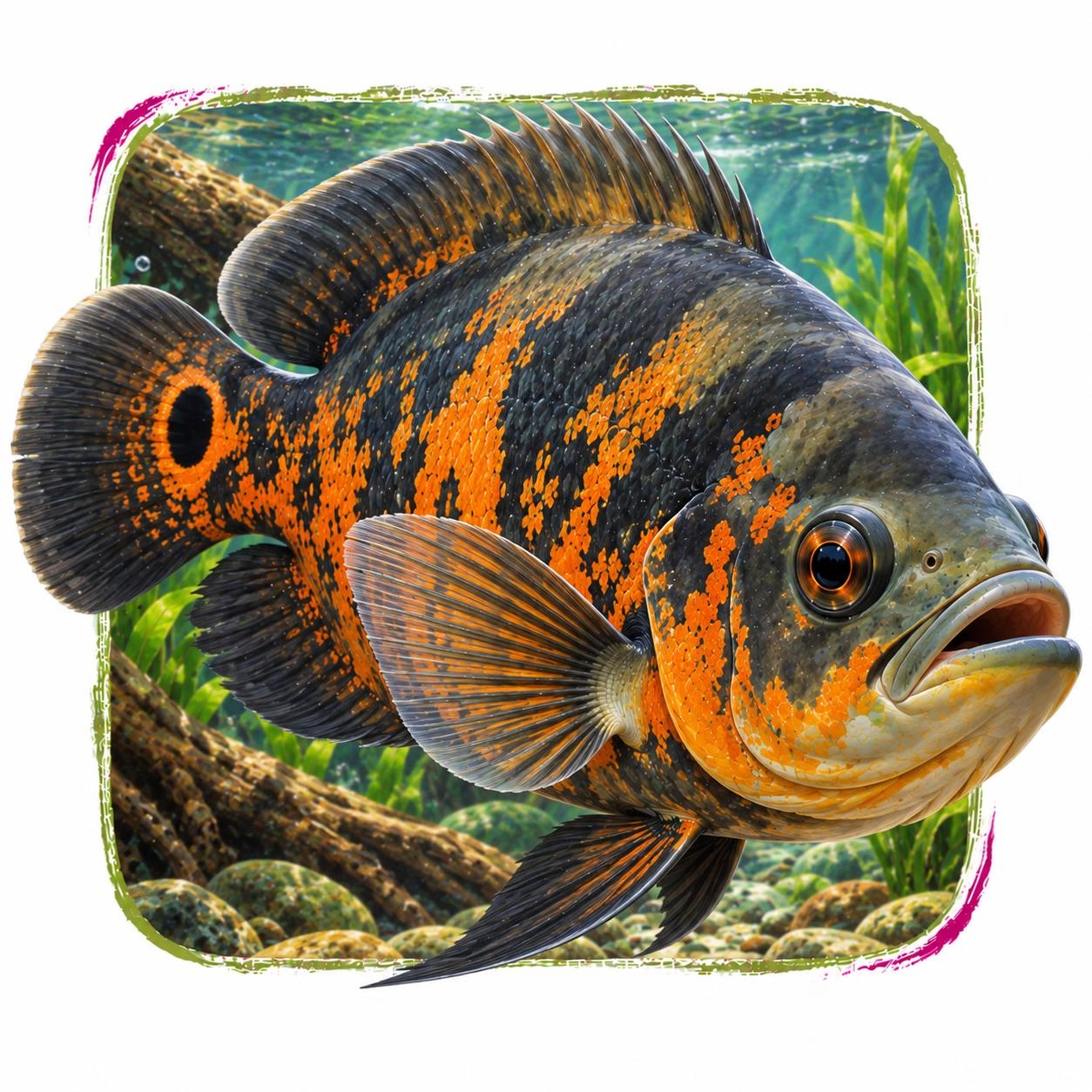
Oscar Fish in its natural Rivers habitat