
Ox Facts for Kids
An ox is a domestic bovine trained to pull loads and perform other work. Most oxen are adult male cattle that were castrated when young, but cattle of different sexes and breeds can be trained for draft work in some traditions. For thousands of years, these patient, powerful animals have helped people plough fields, move carts, haul timber, and power farm equipment.
Quick Ox Facts
- Scientific Classification: Usually domestic cattle, Bos taurus or zebu-type Bos indicus cattle
- Animal Type: Domesticated working bovine
- Singular and Plural: One ox, two or more oxen
- Known For: Slow, steady pulling power
- Equipment: A fitted yoke or suitable harness connects the animal to a load
- Jobs: Ploughing, cart transport, logging, threshing, and powering machinery
- Diet: Grasses, hay, forage, and other plant-based cattle feed
- Conservation: Domesticated; not assessed as a separate wild species
What You’ll Learn
Learn 10 strong ox facts for kids about cattle, pulling power, hooves, teamwork, training, and work alongside people, plus a quiz, glossary, and activity
Easy explanations make them perfect for children, families, teachers, and young animal fans.
10 Fun Ox Facts for Kids
1. An Ox Is a Job, Not a Breed
The word ox usually describes cattle trained for draft work rather than a separate species or breed. Many cattle breeds can become oxen if they have the right build, health, temperament, care, and training.
Kid Decode: “Ox” tells you what the bovine does, not what breed it is.
2. The Plural of Ox Is Oxen
English keeps an ancient plural form for this animal: one ox becomes two oxen. It follows a different pattern from words that simply add the letter s.
Kid Decode: One ox plus another ox makes a team of oxen.
3. Most Oxen Are Trained Steers
A steer is a castrated male bovine, and most traditional oxen are mature steers because they can combine large size with a calmer working temperament. In some regions, cows or intact males also perform draft work.
Kid Decode: Most oxen are male cattle trained carefully as they grow.
4. Training Begins When They Are Young
Handlers teach young working cattle to respond to voice commands, stop, start, turn, stand quietly, and work beside a partner. Patient repetition builds trust and dependable teamwork.
Kid Decode: An ox learns its job one calm command at a time.
5. Oxen Often Work in Pairs
A pair is commonly joined by a yoke and trained to walk at the same pace. The handler, called a teamster in some traditions, guides them with voice cues and a planned route.
Kid Decode: Two steady animals can pull like one well-practised machine.
6. A Yoke Spreads the Pull
A yoke is a wooden or modern shaped device fitted across the neck or head, depending on local tradition. Correct design, smooth surfaces, padding where needed, and proper fit spread pressure and reduce pain or injury.
Kid Decode: A good yoke fits the team; it should never be a painful wooden squeeze.
7. Oxen Have Powered Many Jobs
People have used oxen to plough soil, pull carts and wagons, drag logs, trample grain during threshing, lift water, and turn simple machinery. Their exact tasks differ across cultures and landscapes.
Kid Decode: Before engines, steady hoof power helped farms and towns move.
8. Split Hooves Support Their Weight
Like other cattle, an ox has a cloven hoof divided into two main toes on each foot. Hooves need suitable ground and regular inspection and care to keep a working animal comfortable.
Kid Decode: Each sturdy foot ends in a neatly split hoof.
9. Oxen Chew Cud
Cattle are ruminants with a four-compartment stomach. They swallow plant food, later bring part of it back to the mouth as cud, and chew it again to help microbes break down tough vegetation.
Kid Decode: An ox can give its grassy lunch a second round of chewing.
10. Strength Must Come With Good Care
Work rates depend on health, food, water, weather, equipment, terrain, and the size of the load. Responsible handlers provide rest, shade, veterinary care, hoof care, well-fitted equipment, and loads the animals can pull comfortably.
Kid Decode: Real teamwork means the people protect the oxen that help them.
The Weirdest Ox Fact
There is no special “ox species.” A calm, trained animal from one cattle breed and a differently shaped animal from another breed can both be oxen because the name describes their work and training.
Try This Ox Activity
Try the Oxen Teamwork Challenge
Tie two long loops of ribbon to opposite sides of an empty cardboard box. Two children each hold one loop and follow a caller’s slow commands to move the box through a simple floor course without letting it tip. Add only light paper “cargo.” Discuss why matching pace, clear commands, suitable equipment, and a safe load matter. This is a teamwork model—never harness, ride, or direct a real animal without an experienced adult.
Quick Ox Quiz
- Is an ox a separate breed of cattle? Answer: No; ox describes a trained working bovine.
- What is the plural of ox? Answer: Oxen.
- What equipment often joins a pair of oxen to a load? Answer: A yoke or suitable harness.
- What does it mean when cattle chew cud? Answer: They bring partly digested plant food back to the mouth and chew it again.
- Name two things responsible handlers provide. Answer: Any two of proper food, water, rest, shade, hoof care, veterinary care, fitted equipment, and safe loads.
Mini Glossary
- Bovine: An animal in the cattle group.
- Draft Animal: An animal trained to pull a load or farm implement.
- Yoke: Equipment fitted to bovines so they can pull a load.
- Teamster: A person who trains, cares for, and guides a team of working animals.
- Ruminant: A plant-eating mammal that ferments food in a specialized stomach and chews cud.




 Heron Facts for Kids
 Black Bear Facts for Kids
 Uakari Facts for Kids
 Ottoia Facts for Kids
More Animal Facts for Kids
Visit the full animal facts library or explore a focused animal group.
More Extinct Animal Facts for Kids
Discover dinosaurs, Ice Age giants, prehistoric sea creatures, recently extinct species, and other animals from the past.
Fact check note: Fact checked against the Food and Agriculture Organization’s draught-animal power and harnessing guidance; Billings Farm & Museum’s educational explanation of working steers and oxen; Merriam-Webster’s ox and oxen definitions; standard veterinary references on cattle digestion, hooves, and welfare; and agricultural-history sources on animal traction. The page defines ox as a work-trained bovine rather than a separate breed, notes that most oxen are mature steers while regional practices vary, and supports all pulling claims with clear welfare safeguards. Domesticated status is not confused with a wild-species conservation assessment.
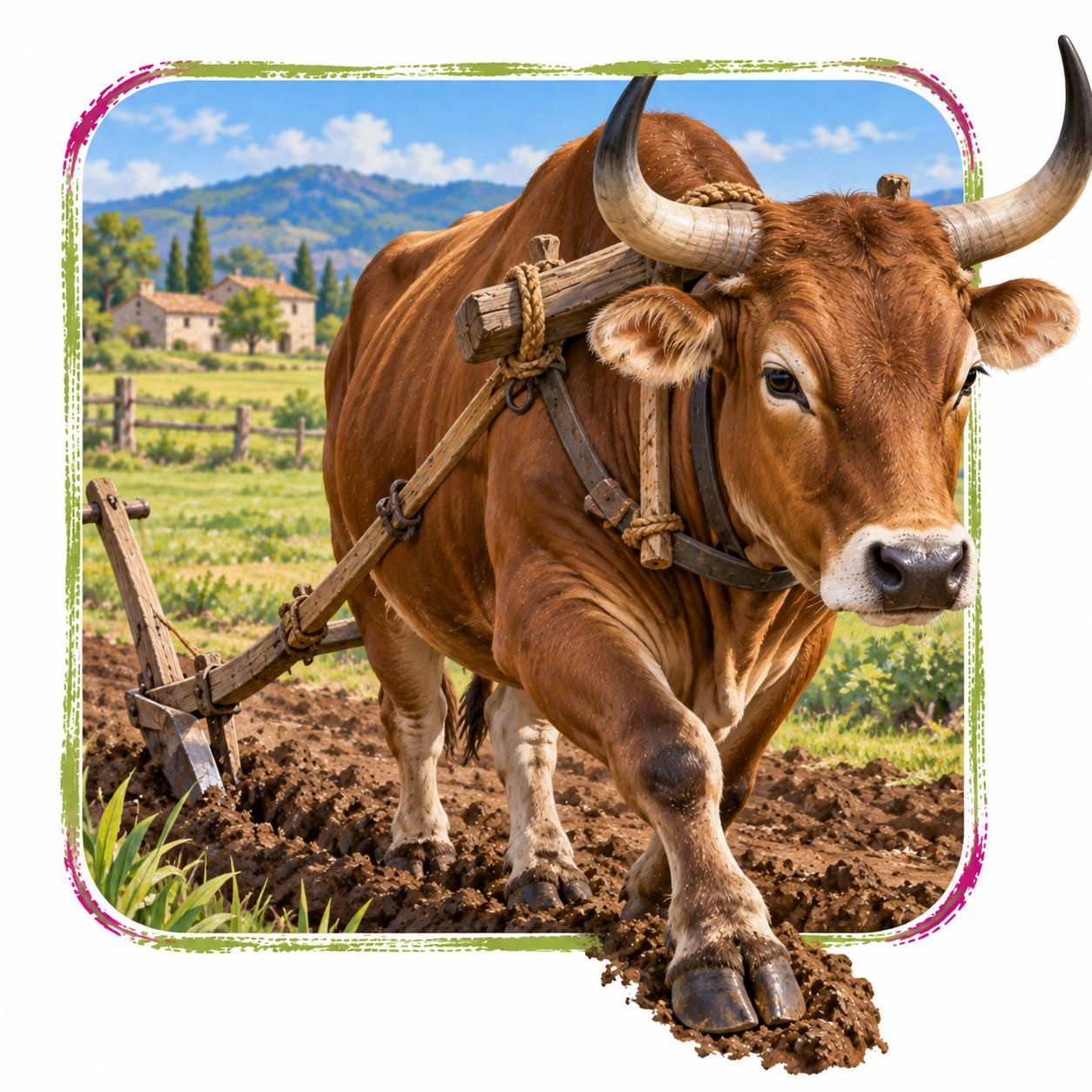
Ox in its natural Human-managed farms, grasslands, villages, forest work sites, and agricultural landscapes worldwide habitat