
Peahen Facts for Kids
A peahen is an adult female peafowl—not a separate species and not a female peacock. This page focuses on the Indian or common peafowl, Pavo cristatus. Peahens lack the enormous eye-spotted train of adult males, but their mottled brown, cream, and green feathers are excellent camouflage when they nest and care for peachicks on the ground.
Quick Peahen Facts
- Scientific Name: Pavo cristatus for the Indian or common peafowl featured here
- Animal Type: Bird
- Family: Phasianidae, the pheasant family
- Female Name: Peahen
- Male Name: Peacock
- Young Name: Peachick
- Habitat: Open forest, scrub, grassland edges, farmland, and areas near villages
- Diet: Seeds, fruit, shoots, insects, and other small animals
- Native Range: The Indian subcontinent
- Conservation: Indian peafowl are globally Least Concern, though local birds face poaching, poisoning, traffic, and habitat change
What You’ll Learn
Discover 10 graceful peahen facts for kids about brown camouflage, nesting, chicks, calls, and how females differ from peacocks, with a quiz, glossary, and activity
Easy explanations make these facts great for children, families, teachers, and little fact-finders.

10 Fun Peahen Facts for Kids
1. Peahen Means Female Peafowl
Peafowl is the name for the whole kind of bird. An adult male is a peacock, an adult female is a peahen, and a youngster is a peachick.
Kid Decode: Calling every peafowl a peacock is like calling every chicken a rooster.
2. Her Colors Help Her Hide
An Indian peahen is mostly mottled brown and gray with a paler belly and patches of green on the neck. Those quieter colors help her blend with leaves, dry grass, soil, and brush.
Kid Decode: Her less flashy feathers make a very useful camouflage coat.
3. She Still Wears a Crest
Peahens do not grow the male’s huge eye-spotted train, but both sexes have a small fan-shaped crest on top of the head. The thin crest shafts end in tiny feather fans.
Kid Decode: A peahen carries a delicate feathery crown wherever she walks.
4. Peahens Forage on the Ground
Most feeding happens while walking and scratching on the ground. Peahens pick up seeds, grains, berries, shoots, insects, worms, and sometimes other small animals.
Kid Decode: A peahen can turn a patch of leaf litter into a mixed snack tray.
5. They Can Run and Fly
Strong legs help peahens run through brush when danger appears. They can also launch into powerful short flights, especially to reach safe roosts or cross an obstacle.
Kid Decode: A large ground-feeding bird can still burst into the air when it needs to.
6. Nighttime Roosts Are Often High
Indian peafowl commonly roost in tall trees, and they may also use raised rocks or structures. Sleeping above the ground helps place distance between the birds and many nighttime predators.
Kid Decode: At dusk, a peahen may trade the forest floor for a high bedroom branch.
7. Peahens Inspect Courtship Displays
During breeding season, a peacock raises and shakes his long train into a glittering fan. A peahen can approach, watch from different angles, and choose whether to mate.
Kid Decode: The audience member—not the feather fan—makes the final courtship choice.
8. The Nest Is a Hidden Ground Scrape
A peahen usually chooses a sheltered spot under shrubs or thick plants and makes a shallow nest lined with leaves and other dry material. Her speckled eggs and brown plumage are difficult to notice.
Kid Decode: A simple hollow can be safer than a fancy nest when camouflage works well.
9. She Raises Precocial Peachicks
The peahen incubates the eggs and cares for the chicks after they hatch. Peachicks are precocial, meaning they hatch covered in down and can soon walk and follow their mother to food.
Kid Decode: New peachicks are tiny walkers that learn by following mom.
10. Loud Calls Can Warn the Group
Peafowl make far-carrying calls, especially around the breeding season or when disturbed. Alarm calls can alert nearby birds and other animals that a predator may be close.
Kid Decode: A peahen’s voice is much less hidden than her feathers.
The Weirdest Peahen Fact
A peahen is not a female peacock. “Peacock” names only the adult male; “peahen” names the adult female; and “peafowl” includes both. That means a group casually called peacocks may actually contain no peacocks at all.
Try This Peahen Activity
Design Two Useful Feather Coats
Draw the same woodland scene twice. In one picture, color an Indian peahen with mottled brown, cream, gray, and green feathers beside a hidden ground nest. In the other, draw an adult peacock displaying his colorful eye-spotted train. Ask a friend which bird is easier to find, then label how camouflage and courtship give the two plumages different jobs.
Quick Peahen Quiz
- What is a female peafowl called? Answer: A peahen.
- Why are a peahen’s brown feathers useful? Answer: They provide camouflage.
- Where do Indian peafowl often sleep? Answer: High in trees or another raised place.
- Who incubates and leads the peachicks? Answer: The peahen.
- What does precocial mean? Answer: A chick hatches well developed and can move soon afterward.
Mini Glossary
- Peafowl: The group name that includes peacocks, peahens, and peachicks.
- Peahen: An adult female peafowl.
- Train: The long display feathers covering a peacock’s true tail.
- Camouflage: Colors or patterns that help an animal blend into its surroundings.
- Precocial: Able to walk and function soon after hatching.

 Snake Facts for Kids
 Black Mamba Facts for Kids
 Nightingale Facts for Kids
 Concavenator Facts for Kids
More Animal Facts for Kids
Visit the full animal facts library or explore a focused animal group.
More Extinct Animal Facts for Kids
Discover dinosaurs, Ice Age giants, prehistoric sea creatures, recently extinct species, and other animals from the past.
Fact check note: Fact checked against the Smithsonian’s National Zoo common peafowl profile; San Diego Zoo peafowl account; Animal Diversity Web’s Pavo cristatus species account; IOC World Bird List taxonomy; and IUCN/BirdLife conservation information. Names, female plumage, crest, diet, flight, roosting, courtship, nesting, chick development, calls, native range, and global status were cross-checked.

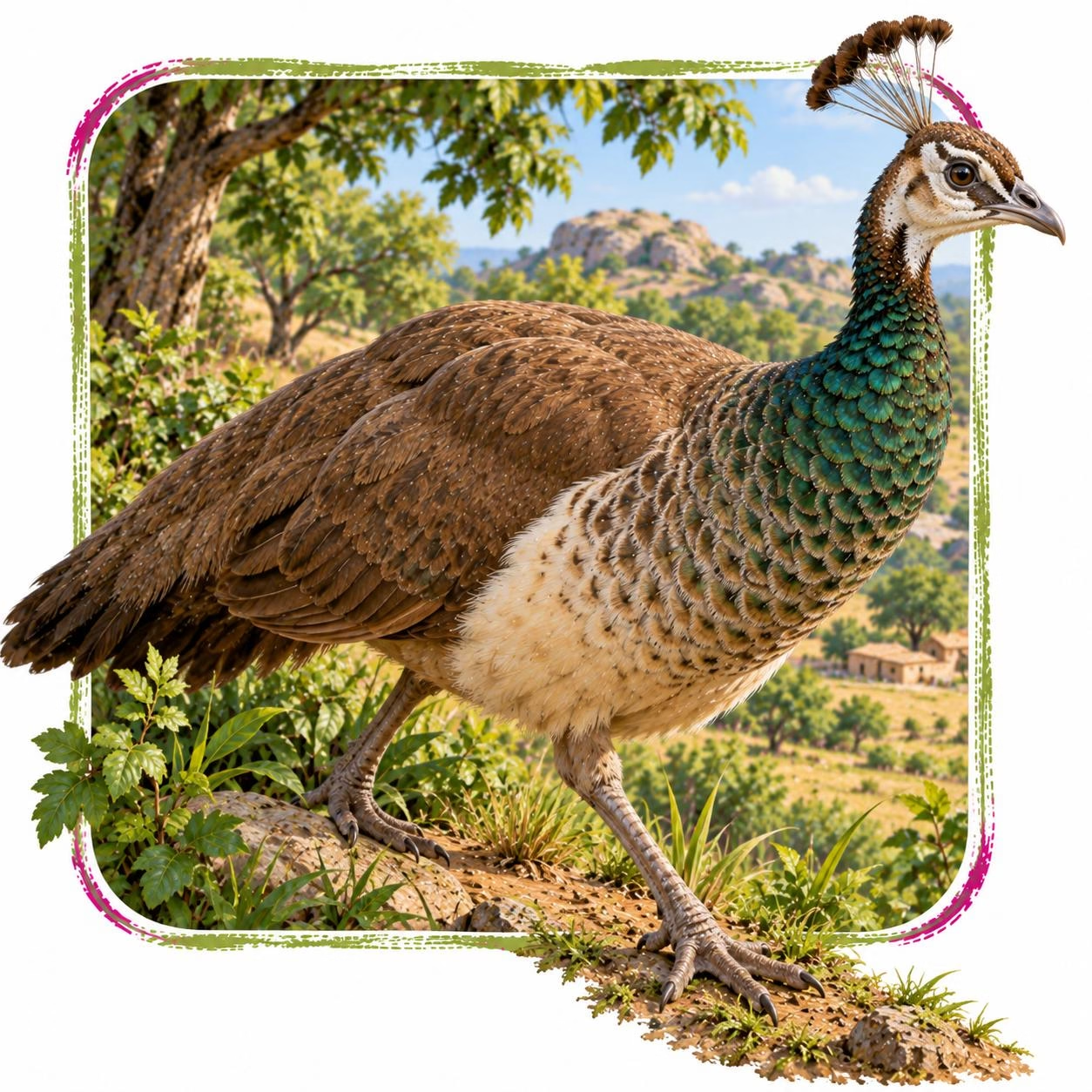
Peahen in its natural Open deciduous forest, scrub, grassland edges, farmland, river areas, and places near villages and cultivated land habitat