
Peccary Facts for Kids
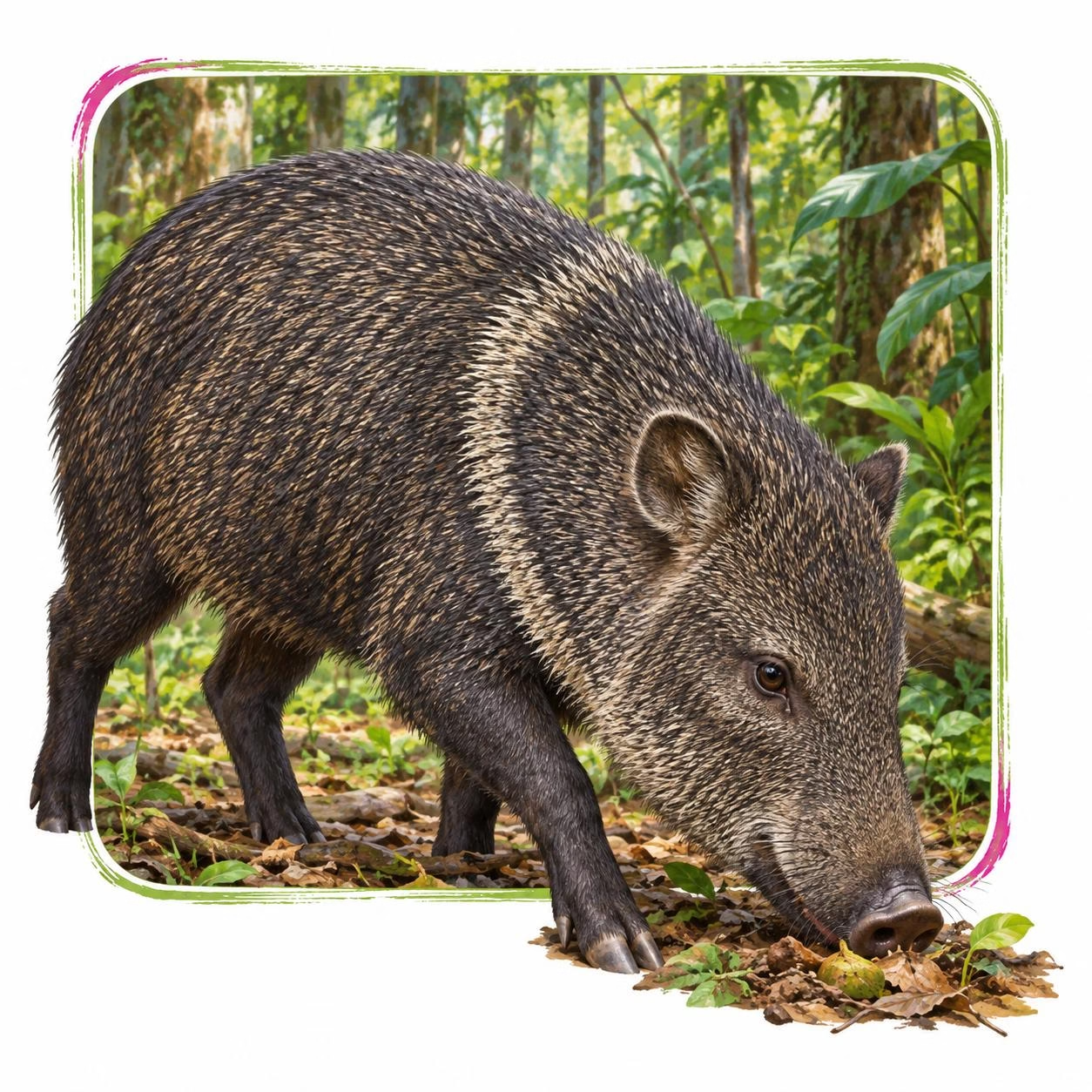
Peccaries are piglike mammals from the Americas. They may look like wild pigs, but they belong to their own family. Many live in herds, use scent to communicate, and search for roots, fruit, seeds, cactus, and small foods.
Quick Peccary Facts
- Animal Type: Mammal
- Group: Peccary and even-toed hoofed mammal
- Known For: Piglike bodies, javelina name, tusks, scent glands, herds, and American habitats
- Habitat: Deserts, scrublands, forests, grasslands, tropical forests, dry woodlands, and habitats from the southwestern United States through Central and South America depending on species
- Diet: Roots, fruit, seeds, cactus pads, grasses, tubers, insects, small animals, fungi, and other foods depending on habitat
What You’ll Learn
Explore 10 fascinating peccary facts for kids about tusks, herd life, strong smells, desert habitats, and feeding, with a quiz, glossary, and activity
These simple facts are made for kids, parents, teachers, and curious young learners.
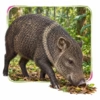
10 Fun Peccary Facts for Kids
1. Peccaries Are Mammals
Peccaries are mammals, which means mothers feed milk to their young.
Kid Decode: A peccary is a bristly little hoofed wanderer with a snout for searching.
2. Peccaries Look Like Pigs
Peccaries look piglike, but they are not the same as true pigs.
Kid Decode: They are pig cousins from a different branch of the hoofed family tree.
3. Peccaries Are Also Called Javelinas
Some peccaries are called javelinas because of their sharp, spear-like teeth.
Kid Decode: Javelina sounds like a tiny hoofed knight.
4. Baby Peccaries Are Piglets
Baby peccaries are often called piglets or young and stay close to the herd.
Kid Decode: A peccary piglet is a small striped bundle of snout energy.
5. Peccaries Live in Herds
Many peccaries live in social groups called herds.
Kid Decode: A herd is a moving snout squad.
6. Peccaries Use Scent Glands
Peccaries have scent glands that help them mark territory and recognize herd members.
Kid Decode: To a peccary, smell can work like a name tag.
7. Peccaries Have Tusks
Peccaries have sharp tusks that can help with defense and social signals.
Kid Decode: Their tusks are small but serious.
8. Peccaries Eat Many Foods
Peccaries eat plants, cactus, roots, fruit, seeds, insects, and other small foods.
Kid Decode: Their menu is desert salad with crunchy extras.
9. Peccaries Have Hooves
Peccaries walk on hooves, like many other hoofed mammals.
Kid Decode: Those little hooves are built for dusty trails and forest floors.
10. Peccaries Need Healthy Habitats
Peccaries need safe wild spaces with water, food, shelter, and room for herds.
Kid Decode: Protecting deserts and forests keeps javelina families roaming.
The Weirdest Peccary Fact
Peccaries can recognize each other by scent, almost like the herd has its own smell-based address book.
Try This Peccary Activity
Peccary Drawing Activity
Draw a peccary herd walking through a desert scrubland. Add bristly fur, small tusks, piglets, cactus pads, roots, seeds, hoofprints, rocks, shrubs, and a sunny sky.
Quick Peccary Quiz
- What animal group are peccaries in? Answer: Mammals.
- Are peccaries the same as true pigs? Answer: No.
- What is another name for some peccaries? Answer: Javelinas.
- What is a peccary group called? Answer: A herd.
- What do peccaries use to communicate by smell? Answer: Scent glands.
Mini Glossary
- Mammal: An animal that feeds milk to its young.
- Herd: A social group of hoofed animals.
- Javelina: A common name for some peccaries.
- Scent Gland: A body part that makes smells used for communication.
- Omnivore: An animal that eats both plant and animal foods.
 Mayfly Facts for Kids
 Whale Shark Facts for Kids
 Tree Frog Facts for Kids
 Rodrigues Solitaire Facts for Kids
More Animal Facts for Kids
Visit the full animal facts library or explore a focused animal group.
More Extinct Animal Facts for Kids
Discover dinosaurs, Ice Age giants, prehistoric sea creatures, recently extinct species, and other animals from the past.
Fact check note: Fact checked with Britannica peccary resources, Britannica Kids peccary resources, and trusted mammal education references.

Peccary in its natural Forests habitat