
Pig Facts for Kids
Pigs are smart, social mammals with strong snouts, short legs, curly tails, and a love for rooting around. They can live on farms or in the wild and are known for being curious, clever, and surprisingly tidy when given space.
Quick Pig Facts
- Animal Type: Mammal
- Group: Hoofed mammal
- Known For: Snouts and rooting
- Habitat: Farms, forests, grasslands, and muddy areas
- Diet: Omnivore
What You’ll Learn
Explore 10 surprising pig facts for kids about intelligence, snouts, senses, communication, and more, plus a quiz, glossary, and pig activity
Simple explanations make them fun for children, parents, teachers, and budding animal experts.
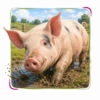
10 Fun Pig Facts for Kids
1. Pigs Are Omnivores
Pigs eat both plant and animal foods. Their diet can include grains, roots, fruit, vegetables, insects, and other foods depending on where they live.
Kid Decode: A pig is a professional snack explorer.
2. Baby Pigs Are Called Piglets
A baby pig is called a piglet. Piglets drink milk from their mother and grow quickly in their first weeks.
Kid Decode: A piglet is a tiny squeaky bundle on hooves.
3. Pigs Use Their Snouts to Root
A pig’s snout is strong and sensitive. Pigs use it to dig, push, smell, and search for food in the ground.
Kid Decode: A pig snout is a shovel, nose, and treasure detector.
4. Pigs Have a Great Sense of Smell
Pigs can smell food and other scents very well. Their strong noses help them explore and find things hidden in soil.
Kid Decode: Pigs can sniff out secrets under the dirt.
5. Pigs Are Very Smart
Pigs can learn routines, solve problems, and remember things. They are among the cleverer farm animals.
Kid Decode: A pig brain is brighter than its muddy reputation.
6. Pigs Like Mud to Stay Cool
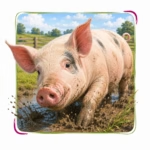
Pigs often roll in mud because mud helps cool their bodies and protect their skin from sun and insects.
Kid Decode: Mud is a pig’s outdoor air conditioner.
7. Pigs Communicate With Many Sounds
Pigs can grunt, squeal, snort, and make other sounds to communicate with each other.
Kid Decode: Pigs have a whole barnyard soundboard.
8. Pigs Are Social Animals
Pigs often enjoy being near other pigs. They can form social groups and recognize familiar companions.
Kid Decode: Pig friendships come with snorts and shoulder bumps.
9. Some Pigs Have Curly Tails
Many domestic pigs have curly tails, though tail shapes can vary by breed and individual pig.
Kid Decode: A curly pig tail looks like a tiny pink spring.
10. Wild Pigs Can Have Tusks
Wild pigs often have sharp tusks used for digging and defense. Domestic pigs may have tusk-like teeth too.
Kid Decode: Some pigs carry tiny tools in their mouths.
The Weirdest Pig Fact
Pigs use their snouts to root in the ground, almost like they have a built-in food-finding shovel.
Try This Pig Activity
Pig Drawing Activity
Draw a happy pig playing near a muddy puddle. Add a curly tail, round snout, little hooves, flowers, a fence, and a piglet nearby.
Quick Pig Quiz
- What is a baby pig called? Answer: A piglet.
- Are pigs omnivores or herbivores? Answer: Omnivores.
- What do pigs use their snouts for? Answer: Rooting, smelling, digging, and finding food.
- Why do pigs roll in mud? Answer: To cool down and protect their skin.
- Can pigs learn and remember things? Answer: Yes.
Mini Glossary
- Piglet: A baby pig.
- Omnivore: An animal that eats both plant and animal foods.
- Rooting: Digging or pushing with the snout to find food.
- Snout: The nose and mouth area of a pig.
- Wallow: A muddy place where animals roll or rest.



 Red Squirrel Facts for Kids
 Bearded Dragon Facts for Kids
 Poison Dart Frog Facts for Kids
 Mylodon Facts for Kids
More Animal Facts for Kids
Visit the full animal facts library or explore a focused animal group.
More Extinct Animal Facts for Kids
Discover dinosaurs, Ice Age giants, prehistoric sea creatures, recently extinct species, and other animals from the past.
Fact check note: Fact checked with Britannica Kids pig resources, National Geographic Kids pig resources, and trusted farm animal education references.

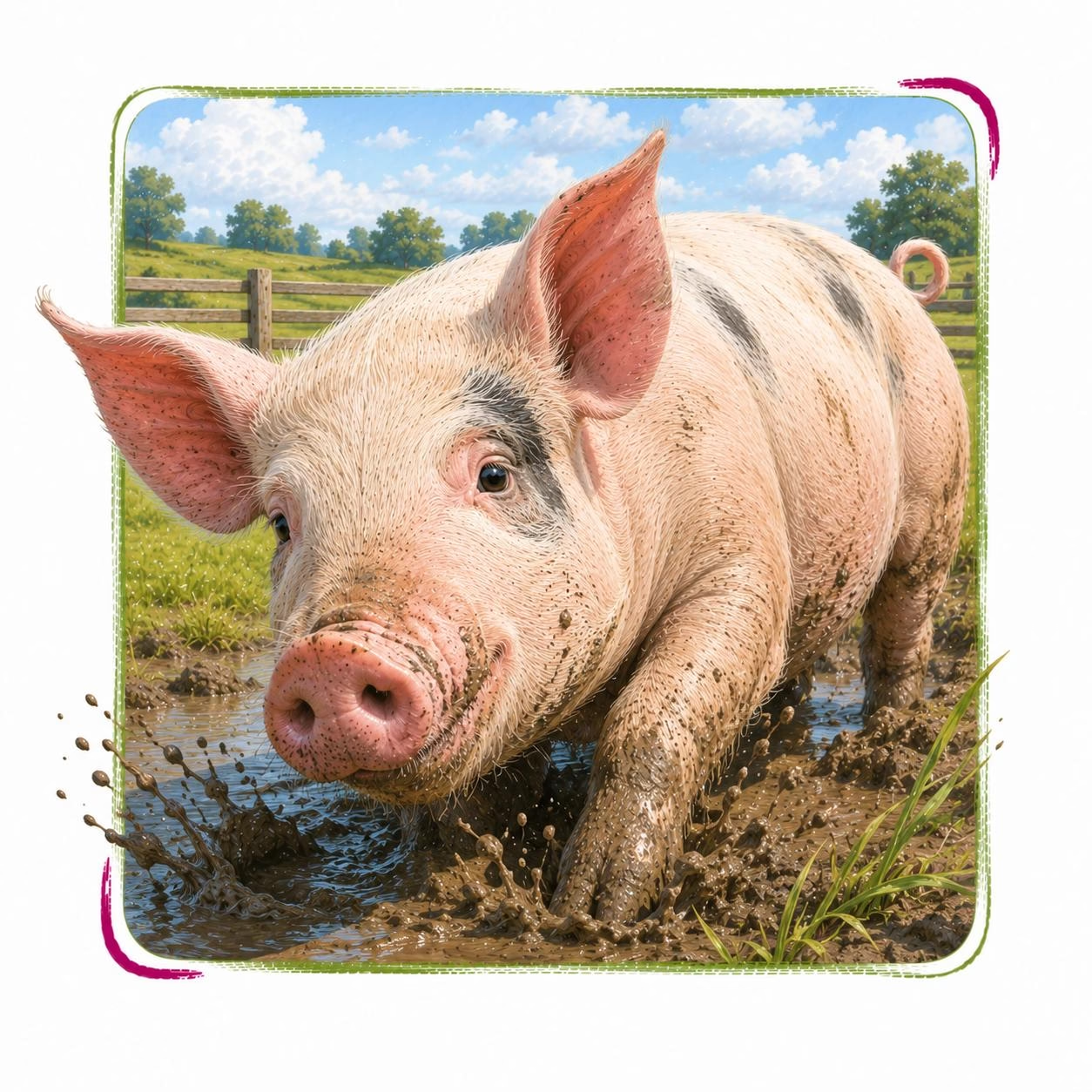
Pig in its natural Grasslands habitat