
Rat Facts for Kids
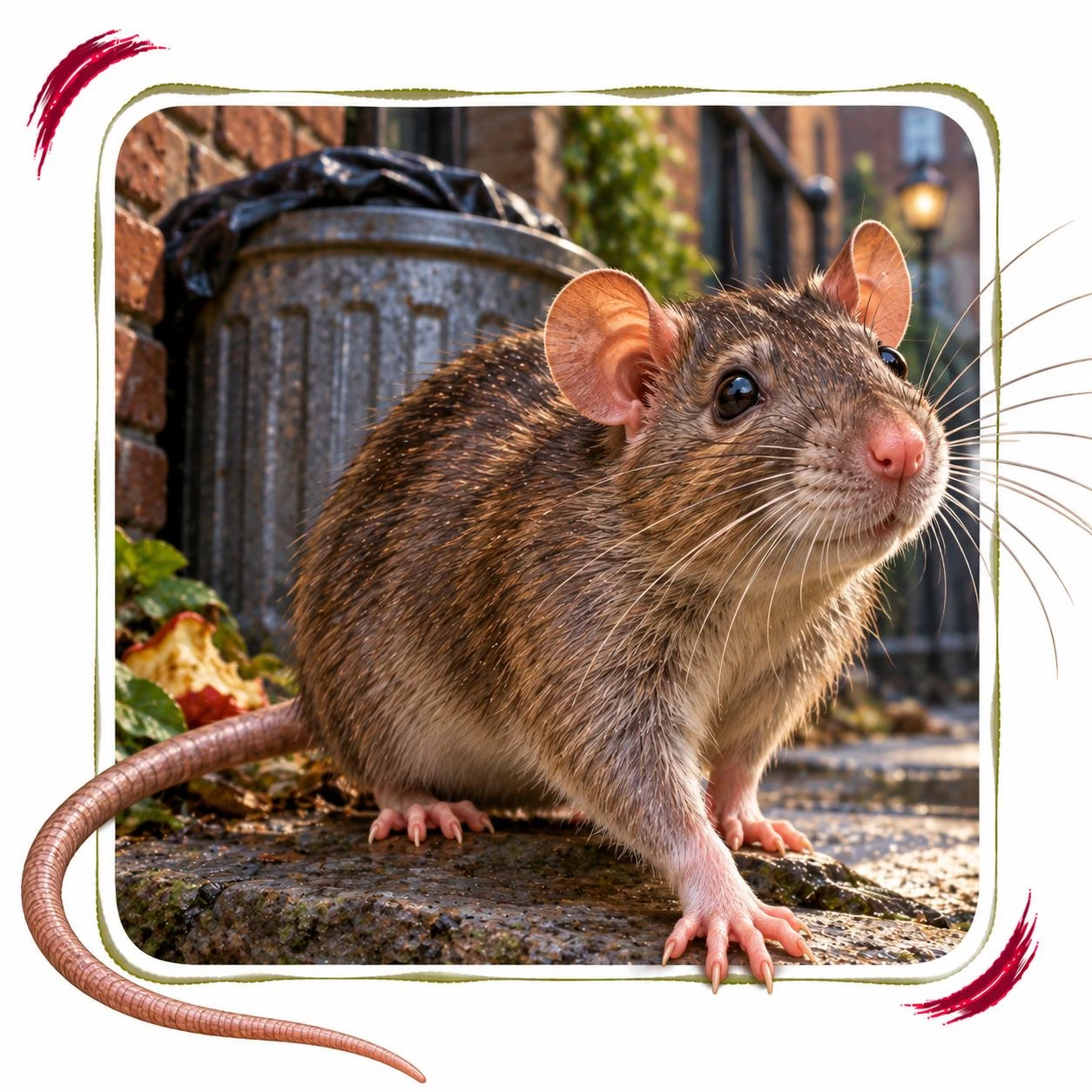
Rats are medium-sized rodents with long tails, sharp senses, strong front teeth, and quick feet. Some rats live close to people, but many wild rats live in forests, fields, wetlands, and rocky places around the world.
Quick Rat Facts
- Animal Type: Mammal
- Group: Rodent
- Known For: Long tails, clever behavior, and gnawing front teeth
- Habitat: Forests, fields, cities, farms, sewers, wetlands, rocky areas, burrows, and many habitats depending on species
- Diet: Seeds, grains, fruit, insects, roots, leaves, eggs, leftovers, and many other foods
What You’ll Learn
Discover 10 clever rat facts for kids about intelligence, whiskers, climbing, communication, and social life, with a quiz, glossary, and rat activity
These easy facts are written for children, parents, teachers, and curious little fact-finders.

10 Fun Rat Facts for Kids
1. Rats Are Mammals
Rats are mammals, which means they have fur, breathe air, give birth to live young, and feed babies milk.
Kid Decode: A rat is a whiskery mammal with tiny explorer energy.
2. Rats Are Rodents
Rats are rodents, a mammal group with front teeth that keep growing throughout life.
Kid Decode: Those teeth are built-in nibbling tools.
3. Baby Rats Are Pups
Baby rats are called pups. They are born small and helpless before growing fur, opening their eyes, and exploring.
Kid Decode: A rat pup is a tiny future tunnel scout.
4. Rats Have Long Tails
Many rats have long thin tails that help with balance, temperature control, and movement.
Kid Decode: The tail is a skinny balance rope.
5. Rats Use Whiskers
Rats use sensitive whiskers to feel nearby objects, especially in dark spaces or tight paths.
Kid Decode: Whiskers are face antennas for tunnel travel.
6. Rats Are Often Nocturnal
Many rats are active at night, when they search for food and avoid danger.
Kid Decode: Nighttime is prime rat errand hour.
7. Rats Eat Many Foods
Rats are flexible eaters and may eat seeds, fruit, insects, grains, roots, eggs, or human leftovers depending on where they live.
Kid Decode: The rat menu is a tiny buffet with whiskers.
8. Rats Are Good Climbers and Swimmers
Many rats can climb, jump, squeeze through gaps, and swim when needed.
Kid Decode: A rat is small, but its movement toolkit is mighty.
9. Rats Build Nests and Burrows
Rats may make nests in hidden places or dig burrows for shelter, warmth, and raising young.
Kid Decode: Their homes are secret little hideout rooms.
10. Rats Matter in Food Webs
Rats eat many small foods and are also prey for owls, snakes, foxes, cats, and other predators.
Kid Decode: Rats are tiny but busy links in nature’s dinner map.
The Weirdest Rat Fact
A rat’s front teeth never stop growing, so gnawing helps keep them the right length.
Try This Rat Activity
Rat Drawing Activity
Draw a rat exploring a hidden burrow. Add round ears, whiskers, long tail, strong front teeth, seeds, grains, tiny footprints, a pup, and moonlit tunnel walls.
Quick Rat Quiz
- What animal group are rats in? Answer: Rodents.
- What are baby rats called? Answer: Pups.
- What do rat front teeth do? Answer: They keep growing.
- When are many rats most active? Answer: At night.
- What do rats use whiskers for? Answer: Feeling objects and spaces.
Mini Glossary
- Rodent: A mammal group with strong front teeth for gnawing.
- Pup: A baby rat or some other young mammals.
- Whiskers: Sensitive hairs that help animals feel nearby objects.
- Nocturnal: Active mostly at night.
- Burrow: An underground animal shelter.




 Matamata Turtle Facts for Kids
 Dingo Facts for Kids
 Beaver Facts for Kids
 Proconsul Facts for Kids
More Animal Facts for Kids
Visit the full animal facts library or explore a focused animal group.
More Extinct Animal Facts for Kids
Discover dinosaurs, Ice Age giants, prehistoric sea creatures, recently extinct species, and other animals from the past.
Fact check note: Fact checked with Britannica rat resources, Britannica Kids rat resources, and trusted rodent education references.

Rat in its natural Cities habitat