
Rhinoceros Facts for Kids
Rhinoceroses, often called rhinos, are huge plant-eating mammals with thick skin, strong bodies, and one or two horns on their snouts. They live in parts of Africa and Asia and are some of the largest land animals on Earth.
Quick Rhinoceros Facts
- Animal Type: Mammal
- Group: Hoofed herbivore
- Known For: Horns and thick skin
- Habitat: Grasslands, forests, marshes, and savannas
- Diet: Grasses, leaves, shoots, fruits, and plants
What You’ll Learn
Explore 10 amazing rhinoceros facts for kids about horns, thick skin, habitats, diet, and more, with a quiz, glossary, and rhino activity
Easy explanations make these facts useful for children, families, teachers, and young animal explorers.
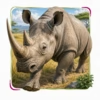
10 Fun Rhinoceros Facts for Kids
1. Rhinos Are Huge Land Mammals
Rhinoceroses are among the largest land mammals. Their heavy bodies, strong legs, and broad feet help support their great size.
Kid Decode: A rhino is like a living tank with hooves.
2. Rhinos Have One or Two Horns
Some rhino species have one horn, while others have two. Rhino horns grow from the snout and are used for defense, digging, and showing strength.
Kid Decode: A rhino horn is its most famous nose decoration.
3. Rhino Horns Are Made of Keratin
A rhino horn is made of keratin, the same type of material found in human fingernails and hair.
Kid Decode: A rhino horn is not bone; it is more like super-tough fingernail material.
4. Rhinos Are Herbivores
Rhinos eat plants. Some graze on grass, while others browse leaves, shoots, fruit, and branches depending on the species.
Kid Decode: A rhino’s meal is big, green, and crunchy.
5. Rhinos Like Mud Wallows
Rhinos often roll or rest in mud. Mud helps cool their bodies and can protect their skin from insects and sun.
Kid Decode: Rhino spa day means a glorious mud bath.
6. Rhinos Have Thick Skin
A rhino’s skin is thick and tough, but it can still be sensitive to sunburn and insect bites. Thick skin does not mean no care needed.
Kid Decode: A rhino wears tough skin, not superhero armor.
7. Baby Rhinos Are Called Calves
A baby rhinoceros is called a calf. Rhino calves stay close to their mothers for protection and learning.
Kid Decode: A baby rhino is a chunky little hornless learner.
8. Rhinos Have Strong Smell and Hearing
Rhinos may not have the sharpest eyesight, but they use strong smell and hearing to understand what is around them.
Kid Decode: A rhino nose and ears do a lot of detective work.
9. There Are Different Rhino Species
The living rhino species include white, black, Indian, Javan, and Sumatran rhinos. They have different sizes, habitats, and horn shapes.
Kid Decode: Not every rhino wears the same wild outfit.
10. Rhinos Need Protection
Many rhinos are threatened by habitat loss and illegal hunting. Conservation work helps protect rhinos and their homes.
Kid Decode: Protecting rhinos keeps these ancient-looking giants on Earth.
The Weirdest Rhinoceros Fact
A rhino horn is made of keratin, the same basic material as human fingernails and hair.
Try This Rhinoceros Activity
Rhino Drawing Activity
Draw a rhinoceros standing beside a muddy waterhole. Add a horn, thick skin folds, birds nearby, grass, and a baby calf walking beside it.
Quick Rhinoceros Quiz
- What is a baby rhinoceros called? Answer: A calf.
- Are rhinos herbivores or carnivores? Answer: Herbivores.
- What is a rhino horn made of? Answer: Keratin.
- Why do rhinos roll in mud? Answer: To cool down and protect their skin.
- Do all rhinos have two horns? Answer: No.
Mini Glossary
- Herbivore: An animal that eats plants.
- Keratin: A tough material found in hair, nails, and rhino horns.
- Calf: A baby rhinoceros.
- Wallow: A muddy place where animals roll or rest.
- Conservation: Protecting animals and nature.
 Chameleon Facts for Kids
 Gelada Facts for Kids
 Sparrow Facts for Kids
 Schomburgk's Deer Facts for Kids
More Animal Facts for Kids
Visit the full animal facts library or explore a focused animal group.
More Extinct Animal Facts for Kids
Discover dinosaurs, Ice Age giants, prehistoric sea creatures, recently extinct species, and other animals from the past.
Fact check note: Fact checked with Britannica Kids rhinoceros resources, National Geographic Kids rhino resources, and trusted wildlife education references.

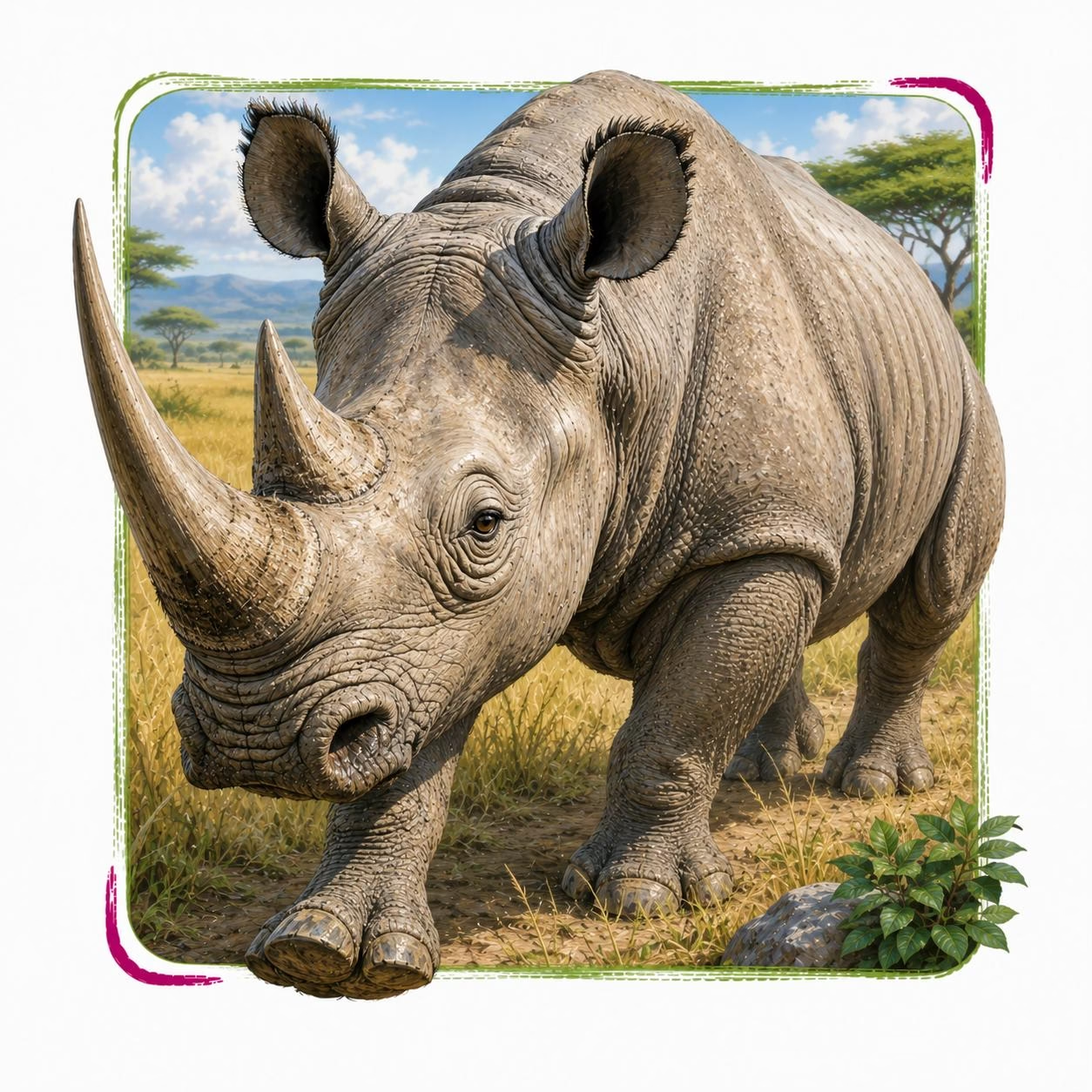
Rhinoceros in its natural Grasslands habitat