
River Otter Facts for Kids
This page focuses on the North American river otter, Lontra canadensis. It is a sleek semiaquatic member of the weasel family that lives beside rivers, lakes, wetlands, estuaries, and some rocky coasts across North America. A long muscular body, webbed feet, sensitive whiskers, dense waterproof fur, and a thick tapering tail help it chase prey through water and travel confidently on land.
Quick River Otter Facts
- Scientific Name: Lontra canadensis
- Animal Type: Mammal, carnivore, mustelid, and semiaquatic animal
- Family: Mustelidae, the weasel family
- Size: Commonly about 0.9–1.3 metres long including the tail
- Known For: Streamlined swimming, waterproof fur, webbed feet, thick tail, whiskers, slides, and playful behavior
- Range: Canada, Alaska, and much of the contiguous United States
- Habitat: Rivers, streams, lakes, ponds, marshes, estuaries, and coastal shorelines
- Diet: Mostly fish and crayfish, plus amphibians, insects, mollusks, and other available prey
- Young: Pups or kits born in a sheltered den
- Conservation: Globally Least Concern; restoration has returned the species to many former areas
What You’ll Learn
Discover 10 playful river otter facts for kids about streamlined bodies, webbed feet, whiskers, swimming, and healthy waterways, plus a quiz, glossary, and activity
These facts are explained simply for kids, parents, teachers, and curious little fact-finders.

10 Fun River Otter Facts for Kids
1. River Otters Are Mustelids
The North American river otter belongs to the weasel family with badgers, mink, martens, and wolverines. Its relatives share features such as long bodies, scent glands, and carnivore teeth.
Kid Decode: A river otter is a water-loving cousin of the weasel.
2. Two Fur Layers Keep Water Away
Soft, dense underfur traps insulating air beside the skin, while longer oily guard hairs help shed water. Grooming keeps the coat clean and correctly arranged so cold water does not reach the body easily.
Kid Decode: An otter carries a fitted wetsuit made from two layers of fur.
3. Webbed Feet and a Tail Power Swimming
Webbing between the toes pushes water backward, while the strong tapering tail helps propel, steer, and stabilize the body. The flexible spine bends in waves during fast swimming.
Kid Decode: Four paddling feet and one muscular rudder make an agile swimmer.
4. Whiskers Detect Underwater Movement
Sensitive facial whiskers called vibrissae respond to tiny currents and vibrations made by nearby prey. Clear inner eyelids protect the eyes, while the ears and nostrils can close during a dive.
Kid Decode: An otter can feel a fishy ripple with its face.
5. They Eat More Than Fish
Fish and crayfish form much of the diet, but river otters also take frogs, insects, mussels, snails, and other prey that is locally abundant and easy to catch. Their menu changes with season and habitat.
Kid Decode: An otter’s favorite meal is often whatever the water provides most easily.
6. Slides Can Be Play and Transportation
Otters repeatedly glide down muddy, snowy, grassy, or icy slopes on their bellies. Sliding can be social play, practice, or simply a quick energy-saving way to reach the water.
Kid Decode: A riverside slide may be an otter playground and a shortcut.
7. Scent Marks Carry Messages
River otters leave droppings called spraint, gland scents, and food remains at shared marking places called latrines. These odor-rich sites communicate presence, identity, diet, and other information.
Kid Decode: An otter latrine works like a smelly community noticeboard.
8. They Often Borrow Dens
Rather than digging every shelter themselves, river otters use hollow logs, rock spaces, root cavities, logjams, and abandoned burrows made by beavers or other animals. Underwater entrances can provide extra security.
Kid Decode: Yesterday’s beaver burrow can become today’s otter nursery.
9. Birth Is Delayed After Mating
After fertilization, the embryo may pause before attaching to the uterus, a process called delayed implantation. This helps time birth for a season when conditions are better for raising pups.
Kid Decode: An otter embryo can wait before beginning its main growth.
10. Clean Connected Waterways Matter
North American river otters are globally Least Concern and have returned to many places through pollution controls, habitat work, legal protection, and reintroductions. Water contamination, roads, trapping, and habitat loss still cause local problems.
Kid Decode: An otter’s comeback can be a sign that a waterway is healing.
The Weirdest River Otter Fact
A river otter may use the same muddy or snowy slope again and again until it becomes a smooth slide. The behavior can save effort while traveling, but young and adult otters also slide during social play and practice.
Try This River Otter Activity
Design an Otter-Friendly River
Draw a river from mountain stream to estuary. Add deep pools, fish, crayfish, clean bankside plants, a hollow-log den, a muddy slide, and safe crossings beneath two roads. Label the webbed feet, tail, whiskers, underfur, and guard hairs on a swimming otter, then mark three pollution or habitat dangers to remove.
Quick River Otter Quiz
- What mammal family contains river otters? Answer: The weasel family, Mustelidae.
- What are the two main fur layers? Answer: Dense underfur and longer guard hairs.
- How do whiskers help underwater? Answer: They detect currents and prey movements.
- What is otter droppings called? Answer: Spraint.
- What is delayed implantation? Answer: A pause before an embryo attaches and continues developing.
Mini Glossary
- Semiaquatic: Adapted to living both in water and on land.
- Mustelid: A member of the weasel family Mustelidae.
- Vibrissae: Sensitive whiskers that detect touch and water movement.
- Spraint: Otter droppings used partly for scent communication.
- Reintroduction: Returning a species to an area where it formerly lived.

 Mongoose Facts for Kids
 Hawk Facts for Kids
 Macaw Facts for Kids
 Cryolophosaurus Facts for Kids
More Animal Facts for Kids
Visit the full animal facts library or explore a focused animal group.
More Extinct Animal Facts for Kids
Discover dinosaurs, Ice Age giants, prehistoric sea creatures, recently extinct species, and other animals from the past.
Fact check note: Fact checked against the IUCN Red List account for Lontra canadensis; Mammal Diversity Database; U.S. Fish and Wildlife Service and U.S. Forest Service species information; Smithsonian’s National Zoo; Animal Diversity Web; and IUCN Otter Specialist Group resources. Taxonomy, size, range, fur, swimming anatomy, senses, diet, sliding, scent marking, dens, delayed implantation, pups, habitat, restoration, and global Least Concern status were cross-checked.

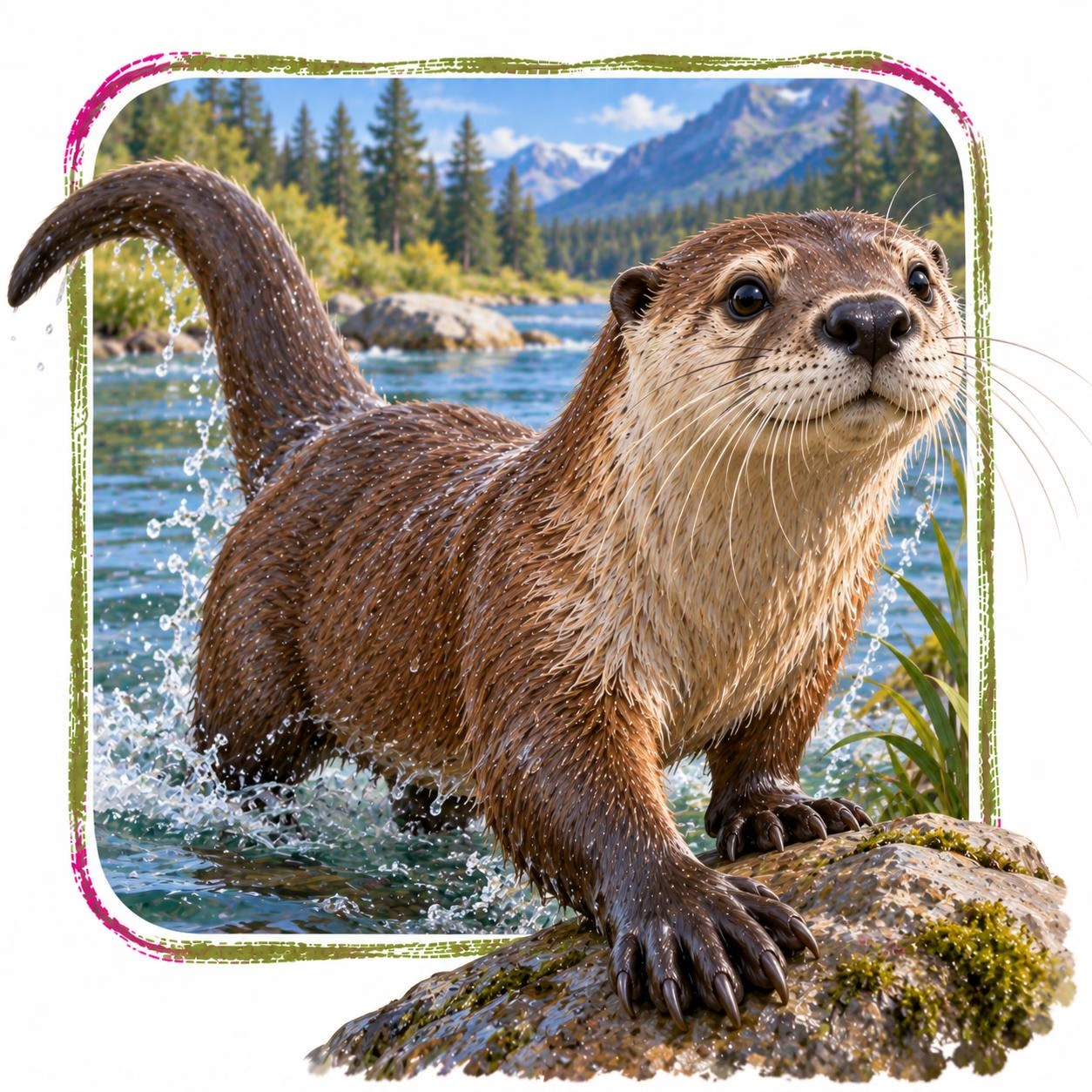
River Otter in its natural Rivers, streams, lakes, ponds, marshes, swamps, estuaries, coastal shorelines, and connected riparian corridors habitat