
Robin Facts for Kids
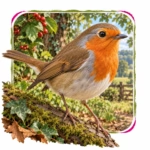
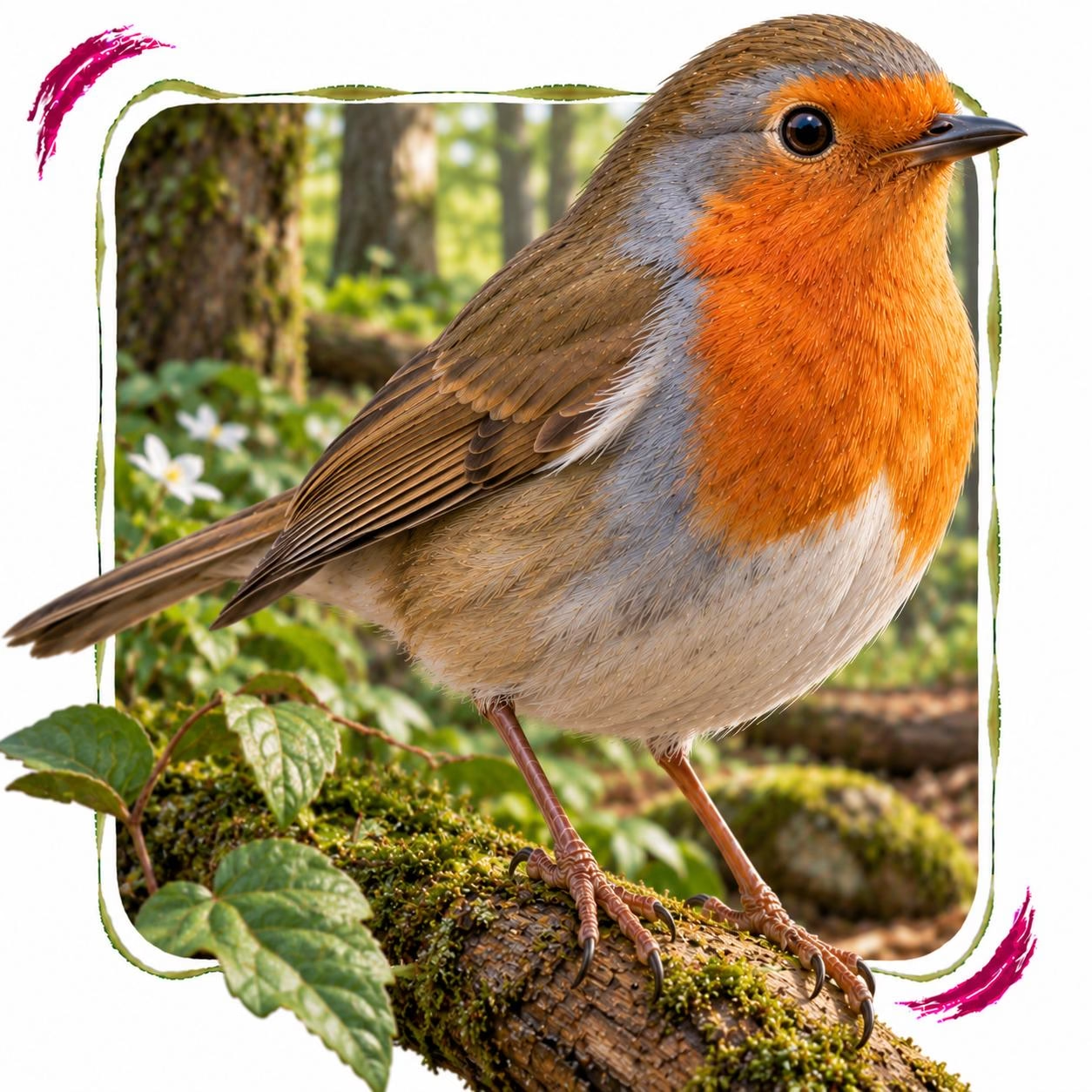
Robins are familiar songbirds known for warm orange or red breasts, cheerful songs, and hopping across lawns or woodland floors to find worms and insects. Different birds are called robins in different regions, including the American robin and the European robin.
Quick Robin Facts
- Animal Type: Bird
- Group: Songbird
- Known For: Orange-red breast, singing, worms, nests, and springtime signs
- Habitat: Gardens, lawns, forests, woodlands, parks, farms, hedges, towns, and open areas in North America, Europe, Asia, and nearby regions depending on robin type
- Diet: Worms, insects, beetles, caterpillars, spiders, berries, fruit, and other small foods depending on species and season
What You’ll Learn
Explore 10 cheerful robin facts for kids about songs, colorful chests, worms, nests, and garden life, plus a quiz, glossary, and robin activity
These facts are explained simply for kids, parents, teachers, and curious young animal fans.
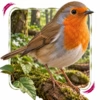
10 Fun Robin Facts for Kids
1. Robins Are Birds
Robins are birds with feathers, wings, beaks, eggs, and warm bodies.
Kid Decode: A robin is a red-breasted hop machine with a song.
2. Robins Are Songbirds
Robins belong to songbird groups and are known for clear calls or songs.
Kid Decode: A robin can turn a garden morning into a tiny concert.
3. Baby Robins Are Chicks
Baby robins are called chicks. They hatch in nests and depend on parents for food and warmth.
Kid Decode: A robin chick is a tiny hungry flufflet in a nest bowl.
4. Robins Have Red or Orange Breasts
Many robins are famous for reddish or orange breast feathers, though color and species differ by region.
Kid Decode: That bright chest is the robin’s little sunrise badge.
5. American Robins Lay Blue Eggs
American robins are famous for beautiful blue eggs, often called robin’s-egg blue.
Kid Decode: The eggs look like tiny sky-colored treasures.
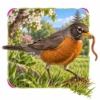
6. Robins Eat Worms and Insects
Robins often hunt worms, insects, beetles, and caterpillars, especially on lawns or forest floors.
Kid Decode: A robin breakfast can be worm noodles with bug sprinkles.
7. Robins Also Eat Fruit
Robins may eat berries and fruit, especially when insects are harder to find.
Kid Decode: Winter robin snacks can turn into berry treasure hunts.
8. Robins Build Cup-Shaped Nests
Robins build cup-shaped nests from grass, twigs, mud, leaves, and soft materials.
Kid Decode: The nest is a tiny mud-and-grass baby bowl.
9. Some Robins Migrate
Some robins migrate, while others stay in the same area depending on species, climate, and food.
Kid Decode: Some robins pack invisible travel bags; others stay home.
10. Robins Need Safe Yards
Robins need insects, berries, nesting places, clean soil, and safe spaces without too many chemicals.
Kid Decode: Bug-friendly gardens help the red-breasted singers thrive.
The Weirdest Robin Fact
American robin eggs can be such a bright blue color that “robin’s-egg blue” became a famous color name.
Try This Robin Activity
Robin Drawing Activity
Draw a robin hopping across a green lawn. Add an orange-red breast, worms, berries, a cup-shaped nest, blue eggs, chicks, spring flowers, and musical song notes.
Quick Robin Quiz
- What animal group are robins in? Answer: Birds.
- What are baby robins called? Answer: Chicks.
- What color are American robin eggs famous for? Answer: Blue.
- What do robins often pull from lawns? Answer: Worms.
- Do all robins migrate? Answer: No, it depends on the robin and location.
Mini Glossary
- Bird: A warm-blooded animal with feathers, wings, and a beak.
- Chick: A baby bird.
- Songbird: A bird from a large group known for calls or songs.
- Migration: Seasonal movement from one place to another.
- Nestling: A young bird still living in the nest.
 Grizzly Bear Facts for Kids
 Crow Facts for Kids
 Bee-Eater Facts for Kids
 Daeodon Facts for Kids
More Animal Facts for Kids
Visit the full animal facts library or explore a focused animal group.
More Extinct Animal Facts for Kids
Discover dinosaurs, Ice Age giants, prehistoric sea creatures, recently extinct species, and other animals from the past.
Fact check note: Fact checked with Britannica American robin resources, Britannica European robin resources, Britannica Kids robin resources, and trusted bird education references.

Robin in its natural Forests habitat