
Salmon Facts for Kids
Salmon are strong fish famous for amazing life journeys. Many hatch in freshwater, grow through young stages, travel to the ocean, and later return toward rivers or streams to spawn, turning one fish life into a watery adventure map.
Quick Salmon Facts
- Animal Type: Fish
- Group: Salmonid and salmon family
- Known For: River spawning, ocean migration, fry, smolts, jumping, strong swimming, eggs, freshwater beginnings, and important food webs
- Habitat: Cold rivers, streams, lakes, estuaries, coastal waters, open ocean, gravel beds, and freshwater or marine habitats depending on species and life stage
- Diet: Tiny aquatic animals when young, insects, plankton, crustaceans, small fish, squid, and other prey depending on age and habitat
What You’ll Learn
Discover 10 speedy bluefin tuna facts for kids about powerful bodies, long migrations, warm muscles, schooling, and open-ocean life, with a quiz, glossary, and activity
These easy facts are written for kids, parents, teachers, and curious young learners.
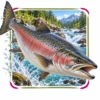
10 Fun Salmon Facts for Kids
1. Salmon Are Fish
Salmon are fish, so they have gills, fins, and live in water.
Kid Decode: A salmon is a silver traveler with a river memory.
2. Many Salmon Are Anadromous
Many salmon hatch in freshwater, go to sea, and return to freshwater to spawn.
Kid Decode: That is a fish road trip with no road.
3. Salmon Start as Eggs
Salmon life often begins as eggs hidden in gravel nests called redds.
Kid Decode: A redd is a rocky nursery under flowing water.
4. Baby Salmon Become Alevins
After hatching, young salmon may be called alevins while they still carry a yolk sac.
Kid Decode: An alevin has its lunchbox attached.
5. Young Salmon Become Fry
After using the yolk sac, young salmon are called fry.
Kid Decode: A salmon fry is a tiny swimmer practicing for a huge journey.
6. Smolts Prepare for the Ocean
Some young salmon become smolts as their bodies prepare for salt water.
Kid Decode: A smolt is a fish packing for the sea.
7. Salmon Can Jump
Salmon may leap over rocks or small barriers while moving upstream.
Kid Decode: They bring splashy determination to river travel.
8. Salmon Return to Spawn
Many salmon return to their birth river or stream to lay eggs.
Kid Decode: The river can pull them home like a watery magnet.
9. Salmon Feed Many Animals
Bears, eagles, otters, people, and many other animals depend on salmon.
Kid Decode: One salmon can connect forest, river, and ocean stories.
10. Salmon Need Clean Rivers
Salmon need cold clean water, gravel beds, connected rivers, healthy oceans, and safe migration routes.
Kid Decode: Good rivers are salmon highways with clear lanes.
The Weirdest Salmon Fact
Many salmon can return to the same river or even the same stream where they hatched.
Try This Salmon Activity
Salmon Drawing Activity
Draw the salmon life cycle from river to ocean and back. Add eggs in gravel, alevin with yolk sac, fry, smolt, adult salmon, jumping fish, migration arrows, estuary, ocean waves, bear, eagle, and clean river signs.
Quick Salmon Quiz
- What animal group are salmon in? Answer: Fish.
- What is a gravel salmon nest called? Answer: A redd.
- What young stage still has a yolk sac? Answer: An alevin.
- What young salmon stage prepares for salt water? Answer: A smolt.
- Why do many salmon return to rivers? Answer: To spawn and lay eggs.
Mini Glossary
- Fish: A water-living animal that usually has gills and fins.
- Alevin: A newly hatched salmonid with a yolk sac.
- Fry: A young fish after it begins swimming and feeding.
- Smolt: A young salmon preparing to live in salt water.
- Anadromous: Hatching in freshwater, living in the ocean, then returning to freshwater to spawn.
 Red-Eyed Tree Frog Facts for Kids
 Indri Facts for Kids
 Gelada Facts for Kids
 Japanese Sea Lion Facts for Kids
More Animal Facts for Kids
Visit the full animal facts library or explore a focused animal group.
More Extinct Animal Facts for Kids
Discover dinosaurs, Ice Age giants, prehistoric sea creatures, recently extinct species, and other animals from the past.
Fact check note: Fact checked with NOAA salmon life cycle resources, NOAA Atlantic salmon resources, Smithsonian salmonid references, and trusted freshwater fish education sources.

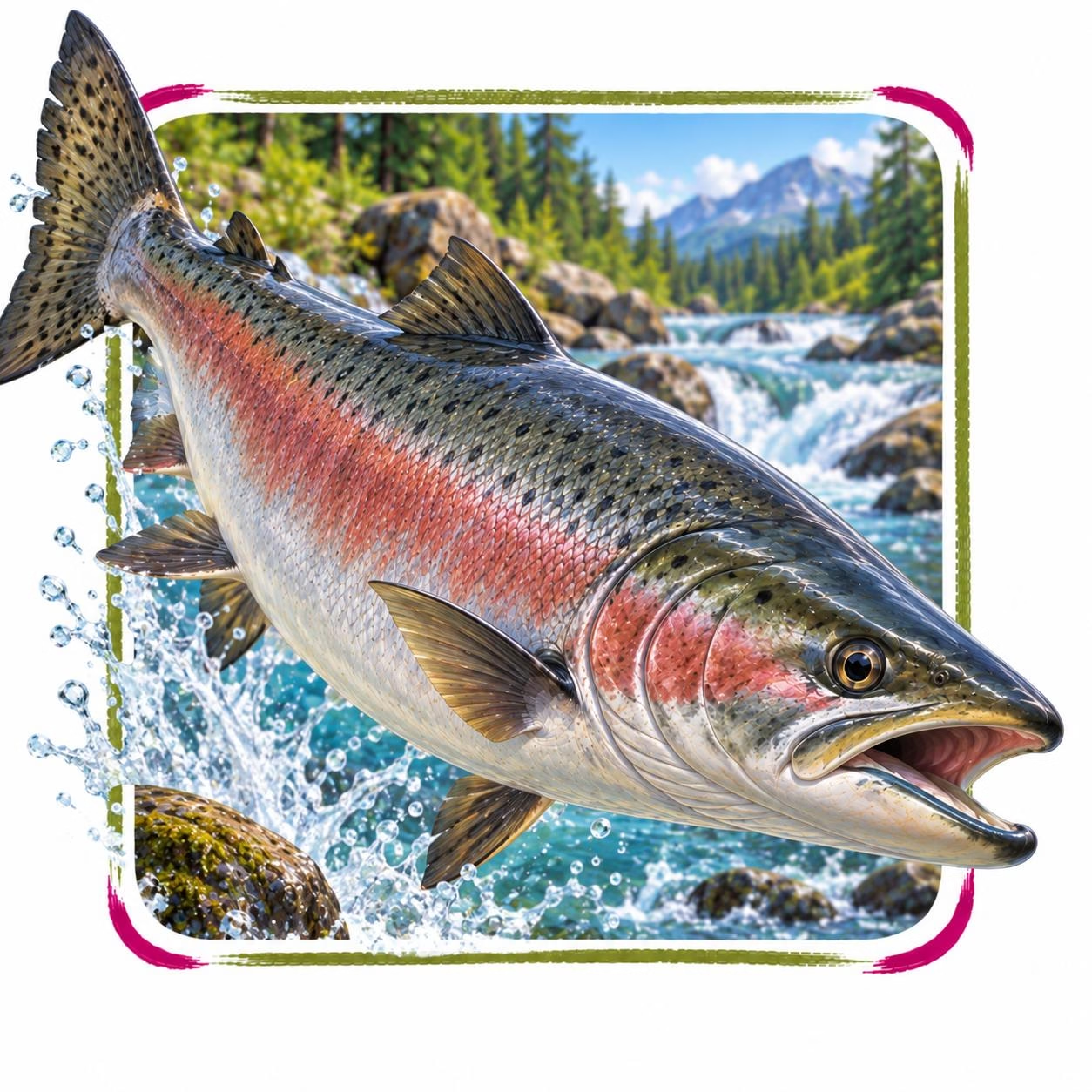
Salmon in its natural Rivers habitat