
Sandpiper Facts for Kids
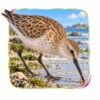
Sandpipers are small to medium shorebirds that run along beaches, mudflats, marsh edges, and wet ground. Many use long sensitive bills to probe sand or mud for tiny animals hidden below the surface.
Quick Sandpiper Facts
- Animal Type: Bird
- Group: Shorebird and sandpiper family
- Known For: Probing bills, quick shoreline running, mudflat feeding, long migrations, and camouflaged feathers
- Habitat: Beaches, mudflats, marshes, tundra, grasslands, lake edges, riverbanks, wetlands, estuaries, and coastal habitats depending on species
- Diet: Worms, insects, crustaceans, mollusks, tiny clams, larvae, spiders, seeds, and other small foods depending on species
What You’ll Learn
Explore 10 busy sandpiper facts for kids about long bills, shoreline feeding, running, migration, and coastal habitats, plus a quiz, glossary, and activity
Clear explanations make them great for children, families, teachers, and young nature explorers.
10 Fun Sandpiper Facts for Kids
1. Sandpipers Are Birds
Sandpipers are birds with feathers, wings, beaks, and eggs.
Kid Decode: A sandpiper is a tiny shoreline runner with beach detective feet.
2. Sandpipers Are Shorebirds
Sandpipers belong to a large group of birds often seen near water or wet ground.
Kid Decode: They are the quick little walkers of mudflats and beaches.
3. Baby Sandpipers Are Chicks
Baby sandpipers are called chicks and hatch from eggs in simple nests or scrapes.
Kid Decode: A sandpiper chick can look like a fuzzy speck of beach grass.
4. Sandpipers Probe for Food
Many sandpipers poke their bills into sand, mud, or wet soil to find hidden food.
Kid Decode: Their bill works like a tiny snack-finding probe.
5. Sandpipers Eat Tiny Animals
Sandpipers feed on worms, insects, crustaceans, mollusks, and other small animals.
Kid Decode: The beach buffet is small, wiggly, and hidden.
6. Many Have Long Bills and Legs
Sandpipers often have fairly long bills and legs for their size.
Kid Decode: Those legs are made for quick steps along the waterline.
7. Sandpipers Use Camouflage
Many sandpipers have brown, gray, buff, or streaky feathers that blend with sand, mud, and grass.
Kid Decode: They can disappear into the shore like feathered pebbles.
8. Some Sandpipers Migrate Far
Many sandpipers travel long distances between breeding and wintering areas.
Kid Decode: Small bird, giant travel calendar.
9. Sandpipers May Feed in Flocks
Sandpipers often gather in flocks while feeding or resting during migration.
Kid Decode: A flock can sparkle across the shore like moving dots.
10. Sandpipers Need Healthy Wetlands
Sandpipers need safe beaches, mudflats, wetlands, insects, and resting places along migration routes.
Kid Decode: Protecting shorelines keeps the tiny travelers fed.
The Weirdest Sandpiper Fact
Some sandpipers race with the waves, running forward as water pulls back and dashing away when it returns.
Try This Sandpiper Activity
Sandpiper Drawing Activity
Draw a sandpiper running along a beach. Add long legs, slender bill, chicks near beach grass, tiny crabs, worms, shells, wave foam, footprints, migration arrows, and a mudflat background.
Quick Sandpiper Quiz
- What animal group are sandpipers in? Answer: Birds.
- What are baby sandpipers called? Answer: Chicks.
- Where do many sandpipers feed? Answer: Beaches, mudflats, wetlands, and shorelines.
- What do sandpipers use to probe mud or sand? Answer: Their bills.
- What long journey do many sandpipers make? Answer: Migration.
Mini Glossary
- Bird: An animal with feathers, wings, and a beak.
- Shorebird: A bird often found on beaches, mudflats, or wet open habitats.
- Chick: A baby bird.
- Probe: To search by poking into sand, mud, or soft ground.
- Mudflat: A flat muddy area near water that may be exposed at low tide.
 Sea Slug Facts for Kids
 Newt Facts for Kids
 Octopus Facts for Kids
 Estemmenosuchus Facts for Kids
More Animal Facts for Kids
Visit the full animal facts library or explore a focused animal group.
More Extinct Animal Facts for Kids
Discover dinosaurs, Ice Age giants, prehistoric sea creatures, recently extinct species, and other animals from the past.
Fact check note: Fact checked with Britannica sandpiper resources, Britannica Kids sandpiper resources, shorebird resources, and trusted bird education references.

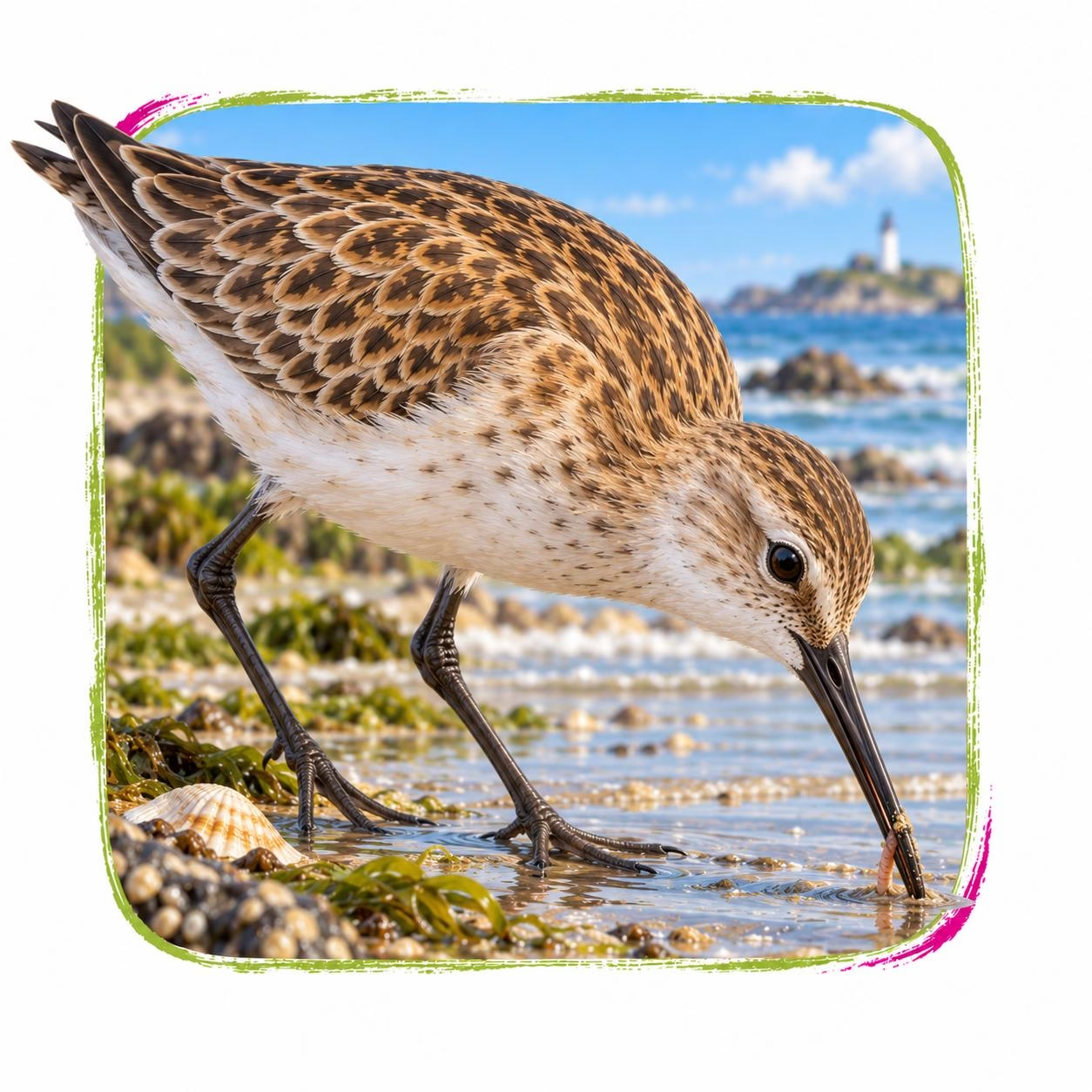
Sandpiper in its natural Coasts habitat