
Sea Krait Facts for Kids
Sea kraits are venomous sea snakes that split life between ocean and land. They hunt in coral reefs and coastal waters, but unlike fully ocean-living sea snakes, sea kraits return to land to rest, digest food, shed skin, mate, and lay eggs.
Quick Sea Krait Facts
- Animal Type: Reptile
- Group: Elapid snake, sea krait, and amphibious sea snake
- Known For: Banded body, paddle-shaped tail, eggs on land, hatchlings, venom, coral reef hunting, eel diet, and life split between land and sea
- Habitat: Coral reefs, lagoons, mangroves, rocky shores, coastal islands, reef crevices, beaches, and warm Indian and Pacific Ocean regions depending on species
- Diet: Eels, small fish, moray eels, conger eels, squid, crabs, and other reef animals depending on species
What You’ll Learn
Discover 10 incredible black mamba facts for kids about speed, dark mouths, climbing, venom, and African habitats, plus a quiz, glossary, and activity
Easy explanations make them great for children, families, teachers, and young reptile explorers.
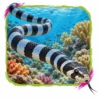
10 Fun Sea Krait Facts for Kids
1. Sea Kraits Are Reptiles
Sea kraits are reptiles, so they have scales, breathe air, and depend on outside warmth.
Kid Decode: A sea krait is a snake that packed both beach shoes and swim fins.
2. They Are Elapid Snakes
Sea kraits belong to the elapid family, which also includes cobras, mambas, and coral snakes.
Kid Decode: This sea snake has a serious venom-family passport.
3. Baby Sea Kraits Are Hatchlings
Baby sea kraits are called hatchlings after they come out of eggs laid on land.
Kid Decode: A sea krait hatchling begins life with a shoreline adventure ahead.
4. They Lay Eggs on Land
Sea kraits are oviparous, which means females lay eggs, usually in sheltered places on land.
Kid Decode: Unlike many true sea snakes, they still need land nurseries.
5. They Have Paddle-Shaped Tails
Sea kraits have flattened paddle-like tails that help them swim.
Kid Decode: That tail is basically a snake oar.
6. They Return to Land
Sea kraits come ashore to rest, digest prey, shed skin, mate, and lay eggs.
Kid Decode: They are part reef swimmer, part rocky-shore visitor.
7. They Hunt on Coral Reefs
Sea kraits search reef cracks and crevices for prey such as eels and small fish.
Kid Decode: They can explore reef hallways where many bigger hunters cannot fit.
8. They Breathe Air
Sea kraits breathe air, so they must surface even though they hunt underwater.
Kid Decode: No gills here; this swimmer still needs air breaks.
9. They Have Banded Patterns
Many sea kraits have bold dark bands that wrap around the body.
Kid Decode: The stripes look like a tiny ocean sweater with a warning label.
10. They Need Land and Sea Protection
Sea kraits depend on healthy reefs, clean coastal water, safe islands, and undisturbed rocky shores.
Kid Decode: Protecting both beach and reef keeps this two-world snake safe.
The Weirdest Sea Krait Fact
A sea krait hunts in the ocean but still comes onto land to lay eggs.
Try This Sea Krait Activity
Sea Krait Drawing Activity
Draw a sea krait moving between a coral reef and a rocky island. Add black-and-white bands, paddle-shaped tail, hatchlings, eggs in a shore crevice, reef eels, small fish, mangroves, air bubbles, shed skin on land, and a “watch from a safe distance” sign.
Quick Sea Krait Quiz
- What animal group are sea kraits in? Answer: Reptiles.
- What are baby sea kraits called? Answer: Hatchlings.
- Where do sea kraits lay eggs? Answer: On land in sheltered places.
- What body part helps sea kraits swim? Answer: A paddle-shaped tail.
- What reef prey do many sea kraits hunt? Answer: Eels and small fish.
Mini Glossary
- Reptile: An animal group with scales that breathes air and often lays eggs.
- Hatchling: A newly hatched baby animal.
- Elapid: A venomous snake family that includes sea kraits, cobras, mambas, and coral snakes.
- Amphibious: Able to spend time both in water and on land.
- Oviparous: Egg-laying.
 Eland Facts for Kids
 Lizard Facts for Kids
 Buffalo Facts for Kids
 Utahraptor Facts for Kids
More Animal Facts for Kids
Visit the full animal facts library or explore a focused animal group.
More Extinct Animal Facts for Kids
Discover dinosaurs, Ice Age giants, prehistoric sea creatures, recently extinct species, and other animals from the past.
Fact check note: Fact checked with Natural History Museum sea snake and sea krait resources, Animal Diversity Web yellow-lipped sea krait resources, New Zealand Herpetological Society sea krait references, and trusted marine reptile education sources.

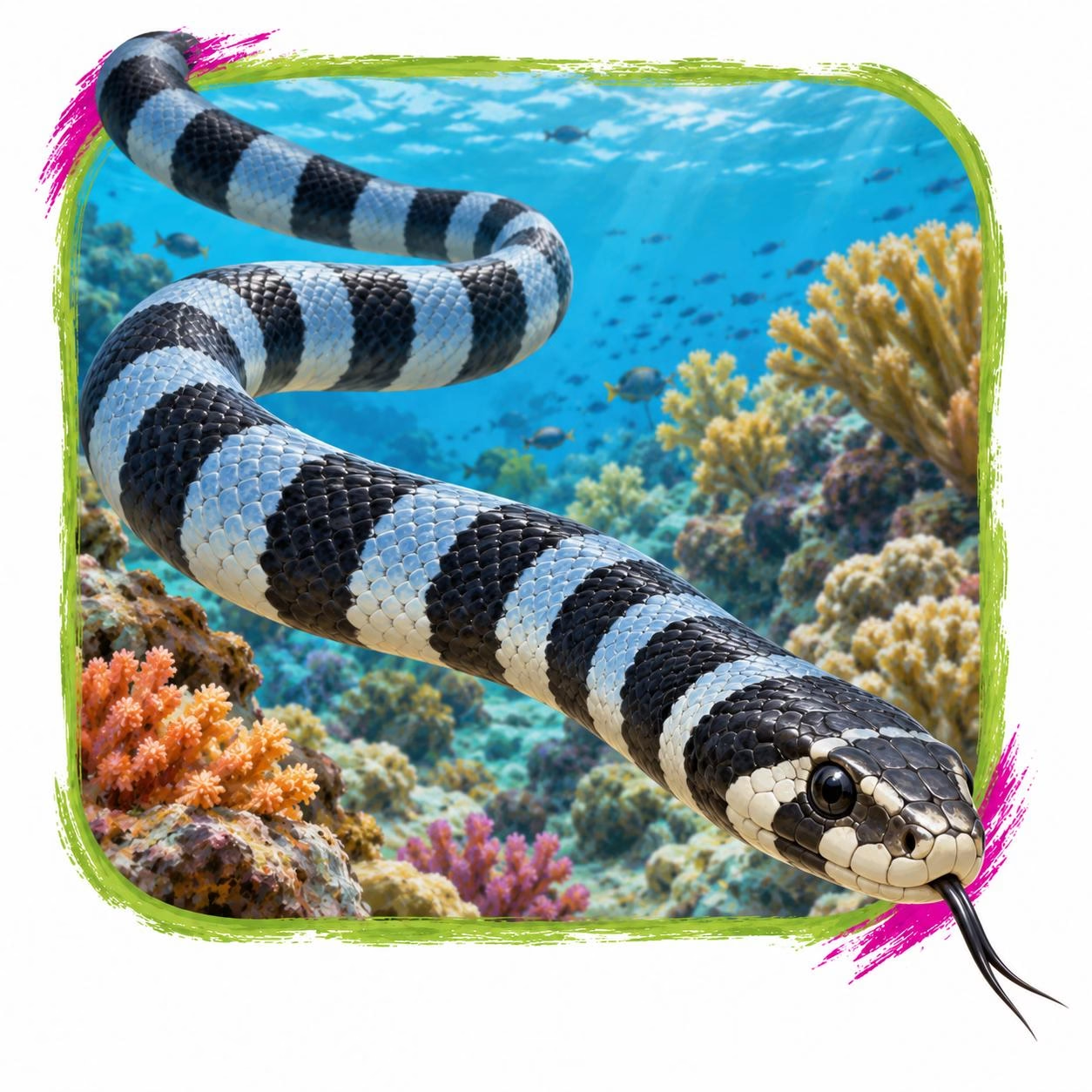
Sea Krait in its natural Coral Reefs habitat