
Sea Lion Facts for Kids
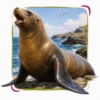
Sea lions are lively marine mammals with strong front flippers, small visible ear flaps, loud barks, and playful swimming skills. They are related to seals and walruses, but they move on land differently from true seals.
Quick Sea Lion Facts
- Animal Type: Mammal
- Group: Eared seal
- Known For: Barking, ear flaps, and strong flippers
- Habitat: Coasts, islands, rocky shores, beaches, and ocean waters
- Diet: Fish, squid, octopus, shellfish, and other sea animals
What You’ll Learn
Learn 10 lively sea lion facts for kids about barking, flippers, swimming, colonies, and underwater hunting, with a quiz, glossary, and sea lion activity
Clear explanations make them fun for children, families, teachers, and young marine explorers.
10 Fun Sea Lion Facts for Kids
1. Sea Lions Are Marine Mammals
Sea lions are mammals that live in and around the ocean. They breathe air, give birth to live pups, and feed their young milk.
Kid Decode: A sea lion is a barking ocean mammal with flippers.
2. Sea Lions Have Visible Ear Flaps
Unlike true seals, sea lions have small outer ear flaps. This is one of the easiest ways to tell them apart.
Kid Decode: Sea lions have tiny ears that actually show.
3. Sea Lions Can Walk Better on Land
Sea lions can rotate their hind flippers forward and use all four flippers to move on land. This helps them walk, climb, and scoot better than true seals.
Kid Decode: Sea lions are the flipper-foot walkers of the coast.
4. Baby Sea Lions Are Called Pups
A baby sea lion is called a pup. Pups stay close to their mothers and learn to swim, rest, and find food as they grow.
Kid Decode: A sea lion pup is a tiny barky beach baby.
5. Sea Lions Bark Loudly
Sea lions can make loud barking sounds. These calls help them communicate in noisy groups.
Kid Decode: Sea lions sound like the ocean hired a dog choir.
6. Sea Lions Live in Groups
Sea lions often gather in large groups on beaches, rocks, or islands. These groups are called colonies or rookeries.
Kid Decode: A sea lion colony is a noisy beach crowd.
7. Sea Lions Are Strong Swimmers
Sea lions use powerful front flippers like oars to swim through the water. Their sleek bodies help them chase food.
Kid Decode: Sea lion flippers turn water into a race lane.
8. Sea Lions Eat Ocean Animals
Sea lions eat fish, squid, octopus, shellfish, and other sea animals. Their diet depends on where they live.
Kid Decode: Sea lions order from the seafood side of nature’s menu.
9. Sea Lions Have Whiskers
Sea lion whiskers help them sense movement in the water. This can help them find prey even when visibility is low.
Kid Decode: Sea lion whiskers are underwater wiggle sensors.
10. Sea Lions Need Safe Coasts
Sea lions need clean oceans and safe resting places on shore. Pollution, fishing gear, and disturbance can cause problems for them.
Kid Decode: Safe beaches help sea lions keep barking, swimming, and snoozing.
The Weirdest Sea Lion Fact
Sea lions can “walk” on land by rotating their hind flippers under their bodies, while true seals usually cannot.
Try This Sea Lion Activity
Sea Lion Drawing Activity
Draw a sea lion sitting on a sunny rock. Add small ear flaps, long whiskers, strong front flippers, ocean waves, fish, and a barking pup nearby.
Quick Sea Lion Quiz
- Are sea lions mammals? Answer: Yes.
- What is a baby sea lion called? Answer: A pup.
- Do sea lions have visible ear flaps? Answer: Yes.
- What loud sound are sea lions famous for? Answer: Barking.
- How do sea lions move better on land than true seals? Answer: They rotate their hind flippers forward.
Mini Glossary
- Pup: A baby sea lion.
- Eared Seal: A seal relative with visible ear flaps, such as a sea lion.
- Colony: A large group of animals living or resting together.
- Rookery: A breeding or resting area for sea lions and some other animals.
- Whiskers: Sensitive hairs that help animals feel movement.
 Coquerel's Sifaka Facts for Kids
 Chinchilla Facts for Kids
 Kākāpō Facts for Kids
 Inostrancevia Facts for Kids
More Animal Facts for Kids
Visit the full animal facts library or explore a focused animal group.
More Extinct Animal Facts for Kids
Discover dinosaurs, Ice Age giants, prehistoric sea creatures, recently extinct species, and other animals from the past.
Fact check note: Fact checked with Britannica Kids sea lion resources, Britannica seal resources, NOAA seal and sea lion difference resources, and trusted marine mammal education references.

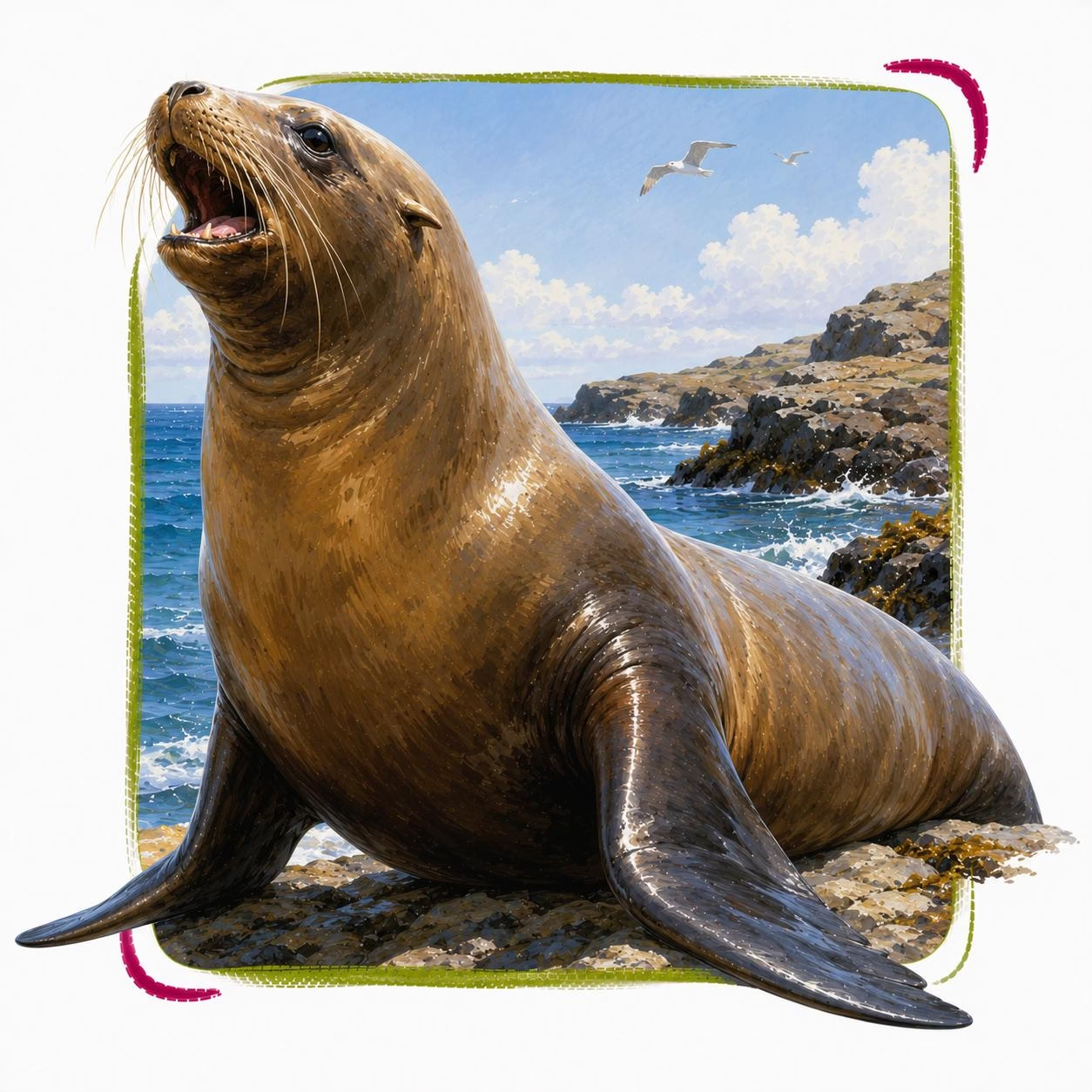
Sea Lion in its natural Coasts habitat