
Sea Snake Facts for Kids
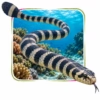
Sea snakes are marine reptiles that live in warm ocean waters. They are related to cobras, have venom, breathe air at the surface, and many have flattened paddle-like tails that help them swim through reefs, lagoons, and coastal seas.
Quick Sea Snake Facts
- Animal Type: Reptile
- Group: Marine elapid snake
- Known For: Ocean life, venom, paddle-like tails, air breathing, and fish hunting
- Habitat: Warm coastal waters, coral reefs, lagoons, mangroves, estuaries, sandy sea floors, and tropical Indo-Pacific oceans depending on species
- Diet: Fish, eels, fish eggs, small reef animals, and other ocean prey depending on species
What You’ll Learn
Discover 10 fascinating sea snake facts for kids about paddle-shaped tails, swimming, venom, breathing air, and ocean life, plus a quiz, glossary, and activity
Simple explanations make them useful for children, families, teachers, and little fact-hunters.
10 Fun Sea Snake Facts for Kids
1. Sea Snakes Are Reptiles
Sea snakes are reptiles with scales, no legs, lungs, and body temperatures affected by their surroundings.
Kid Decode: A sea snake is a swimming noodle with serious ocean skills.
2. Sea Snakes Are Venomous
Sea snakes have venom used to catch prey, so people should never touch or bother them.
Kid Decode: The safe rule is admire the sea snake from far away.
3. They Breathe Air
Sea snakes live in water, but they must come to the surface to breathe air with lungs.
Kid Decode: They are ocean animals with a built-in snorkel schedule.
4. They Have Paddle-Like Tails
Many sea snakes have flattened tails that work like paddles for swimming.
Kid Decode: The tail is a tiny sea snake boat motor.
5. Sea Snakes Have Nostril Valves
Sea snakes can close their nostrils while underwater, which helps keep water out.
Kid Decode: Their nose has little ocean doors.
6. Baby Sea Snakes Are Snakelets
Baby sea snakes are often called snakelets or neonates. Many true sea snakes give birth to live young in the water.
Kid Decode: A sea snakelet starts life ready for the waves.
7. Sea Snakes Eat Fish and Eels
Many sea snakes hunt fish, eels, or fish eggs around reefs and shallow seas.
Kid Decode: Their menu is slippery ocean snacks.
8. Some Sea Snakes Have Bands
Many sea snakes have bands, stripes, or patterns that help them stand out or blend with ocean surroundings.
Kid Decode: Their bodies can look like swimming ribbon art.
9. Sea Kraits Visit Land
Some sea snake relatives called sea kraits come onto land to rest or lay eggs.
Kid Decode: Sea kraits are part-time land visitors with ocean passports.
10. Sea Snakes Need Healthy Reefs
Sea snakes depend on clean water, healthy reefs, mangroves, fish, and safe ocean habitats.
Kid Decode: Protecting reefs keeps the paddle-tailed swimmers safe.
The Weirdest Sea Snake Fact
Sea snakes live in the ocean but still breathe air, so even a snake with a fishy lifestyle must visit the surface.
Try This Sea Snake Activity
Sea Snake Drawing Activity
Draw a sea snake swimming through a coral reef. Add a paddle-like tail, bands, bubbles, fish, eels, coral, nostril valve icon, surface air bubbles, and a safe-distance sign.
Quick Sea Snake Quiz
- What animal group are sea snakes in? Answer: Reptiles.
- Are sea snakes venomous? Answer: Yes.
- What do sea snakes breathe? Answer: Air.
- What helps many sea snakes swim? Answer: A flattened paddle-like tail.
- Should people touch sea snakes? Answer: No, they should keep a safe distance.
Mini Glossary
- Reptile: A cold-blooded animal group that includes snakes, lizards, turtles, crocodiles, and tuataras.
- Venom: A toxic substance some animals use for hunting or defense.
- Elapid: A venomous snake family that includes cobras, coral snakes, and sea snakes.
- Snakelet: A baby snake.
- Reef: An underwater ridge or habitat made by coral, rock, or other hard material.
 Nautilus Facts for Kids
 Vole Facts for Kids
 Goldfish Facts for Kids
 Opabinia Facts for Kids
More Animal Facts for Kids
Visit the full animal facts library or explore a focused animal group.
More Extinct Animal Facts for Kids
Discover dinosaurs, Ice Age giants, prehistoric sea creatures, recently extinct species, and other animals from the past.
Fact check note: Fact checked with Britannica sea snake resources, Britannica Kids sea snake resources, Natural History Museum sea snake resources, and trusted reptile education references.

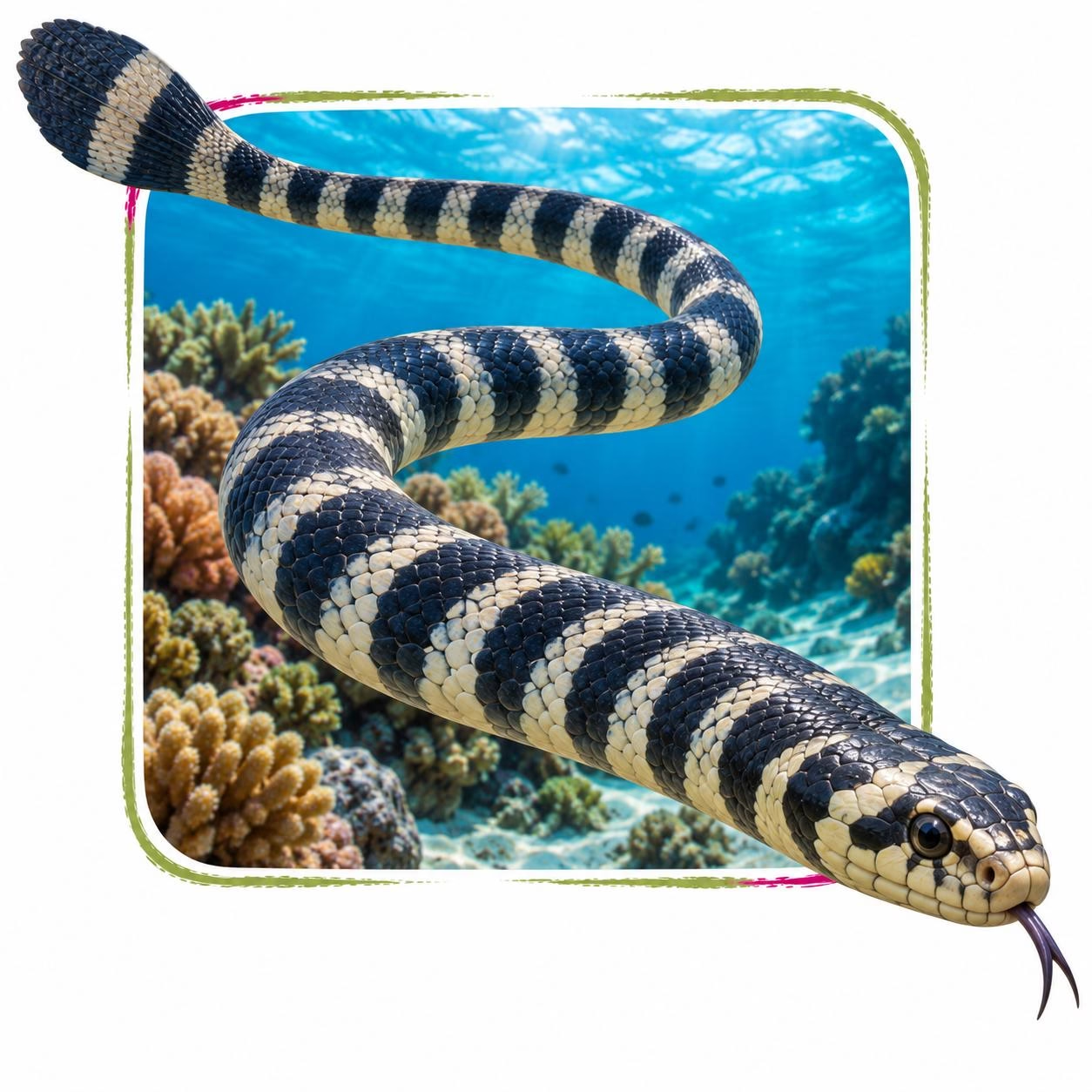
Sea Snake in its natural Oceans habitat