
Sea Urchin Facts for Kids
Sea urchins are round, spiky marine animals that live on the ocean floor. They are echinoderms, which means they are related to sea stars and sand dollars, and they use tiny tube feet, spines, and a special mouth structure to move and eat.
Quick Sea Urchin Facts
- Animal Type: Marine invertebrate
- Group: Echinoderm
- Known For: Spines, tube feet, round bodies, and algae eating
- Habitat: Tide pools, rocky shores, coral reefs, kelp forests, seagrass beds, sandy bottoms, and ocean floors worldwide depending on species
- Diet: Algae, kelp, seaweed, tiny plants, detritus, and other small food bits depending on species
What You’ll Learn
Discover 10 spiky sea urchin facts for kids about sharp spines, tube feet, feeding, shells, and ocean-floor life, with a quiz, glossary, and activity
Easy explanations make these facts great for children, families, teachers, and little fact-hunters.
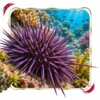
10 Fun Sea Urchin Facts for Kids
1. Sea Urchins Are Invertebrates
Sea urchins are invertebrates, which means they do not have backbones. Their hard round body is covered with movable spines.
Kid Decode: A sea urchin is a tiny ocean pincushion with snack plans.
2. Sea Urchins Are Echinoderms
Sea urchins belong to the echinoderm group, the same animal group as sea stars and sand dollars.
Kid Decode: They are sea stars’ spiky round cousins.
3. They Have Movable Spines
Sea urchin spines can help with protection, movement, and staying wedged into rocks or hiding places.
Kid Decode: The spines are tiny ocean armor sticks.
4. Sea Urchins Use Tube Feet
Sea urchins have tiny tube feet that help them grip, move, breathe, and sense their surroundings.
Kid Decode: Their feet are little suction helpers under the spikes.
5. Sea Urchins Eat Algae
Many sea urchins scrape algae and seaweed from rocks using a special mouth structure.
Kid Decode: Their dinner is ocean salad scraped off stone plates.
6. They Have Aristotle’s Lantern
A sea urchin’s mouthparts are called Aristotle’s lantern. It has hard teeth used to scrape food.
Kid Decode: That fancy name belongs to a tiny seaweed muncher.
7. Baby Sea Urchins Start as Larvae
Young sea urchins begin life as tiny floating larvae before changing into small urchins.
Kid Decode: A sea urchin larva is a drifting ocean speck with a future spike suit.
8. Sea Urchins Can Live in Tide Pools
Some sea urchins live in tide pools, where waves, rocks, and changing water levels make life tricky.
Kid Decode: A tide pool is a tiny rocky ocean apartment.
9. Sea Urchins Help Shape Kelp Forests
By eating algae and kelp, sea urchins can affect how underwater plant forests grow.
Kid Decode: Too many hungry urchins can turn kelp forests into an ocean salad bar disaster.
10. Sea Urchins Need Healthy Oceans
Sea urchins depend on clean water, balanced food webs, and safe ocean habitats.
Kid Decode: Healthy oceans keep the spiky little grazers busy.
The Weirdest Sea Urchin Fact
A sea urchin has no brain like ours, but it can still move, feed, sense light, and react to the world using its body systems.
Try This Sea Urchin Activity
Sea Urchin Drawing Activity
Draw a sea urchin sitting in a rocky tide pool. Add movable spines, tiny tube feet, seaweed, kelp, bubbles, a sea star nearby, algae on rocks, and a small Aristotle’s lantern icon.
Quick Sea Urchin Quiz
- Do sea urchins have backbones? Answer: No, they are invertebrates.
- What animal group are sea urchins in? Answer: Echinoderms.
- What do many sea urchins eat? Answer: Algae, kelp, and seaweed.
- What are sea urchin mouthparts called? Answer: Aristotle’s lantern.
- What helps sea urchins grip and move? Answer: Tube feet.
Mini Glossary
- Invertebrate: An animal without a backbone.
- Echinoderm: A marine animal group that includes sea stars, sand dollars, and sea urchins.
- Tube Feet: Tiny soft feet that help some sea animals move, grip, and sense.
- Larva: A young animal stage that looks different from the adult.
- Algae: Simple plant-like living things that grow in water.
 Flat-Headed Cat Facts for Kids
 Gila Monster Facts for Kids
 Saiga Antelope Facts for Kids
 Nanshiungosaurus Facts for Kids
More Animal Facts for Kids
Visit the full animal facts library or explore a focused animal group.
More Extinct Animal Facts for Kids
Discover dinosaurs, Ice Age giants, prehistoric sea creatures, recently extinct species, and other animals from the past.
Fact check note: Fact checked with Britannica sea urchin resources, Britannica Kids invertebrate resources, and trusted marine biology education references.

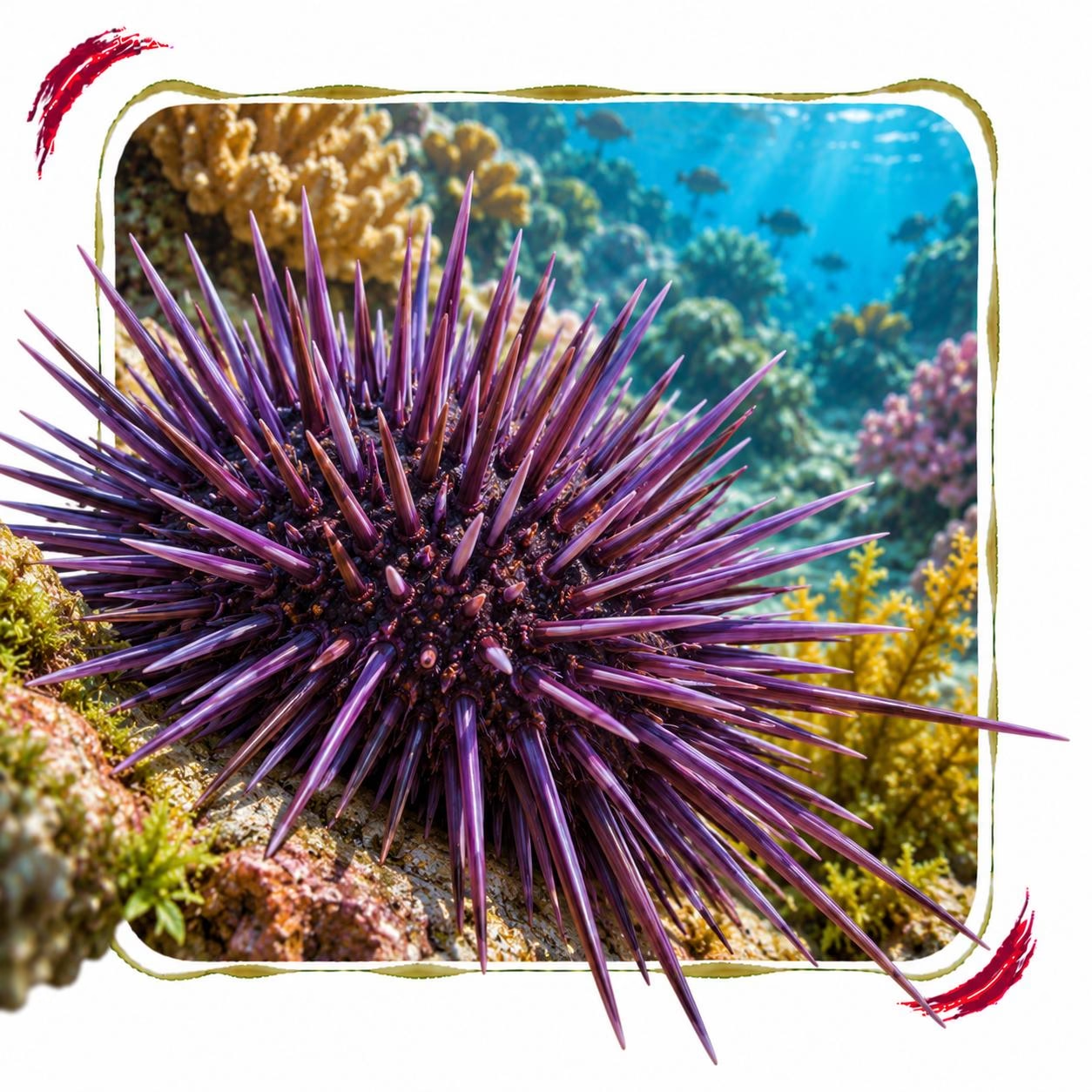
Sea Urchin in its natural Coral Reefs habitat