
Seagull Facts for Kids
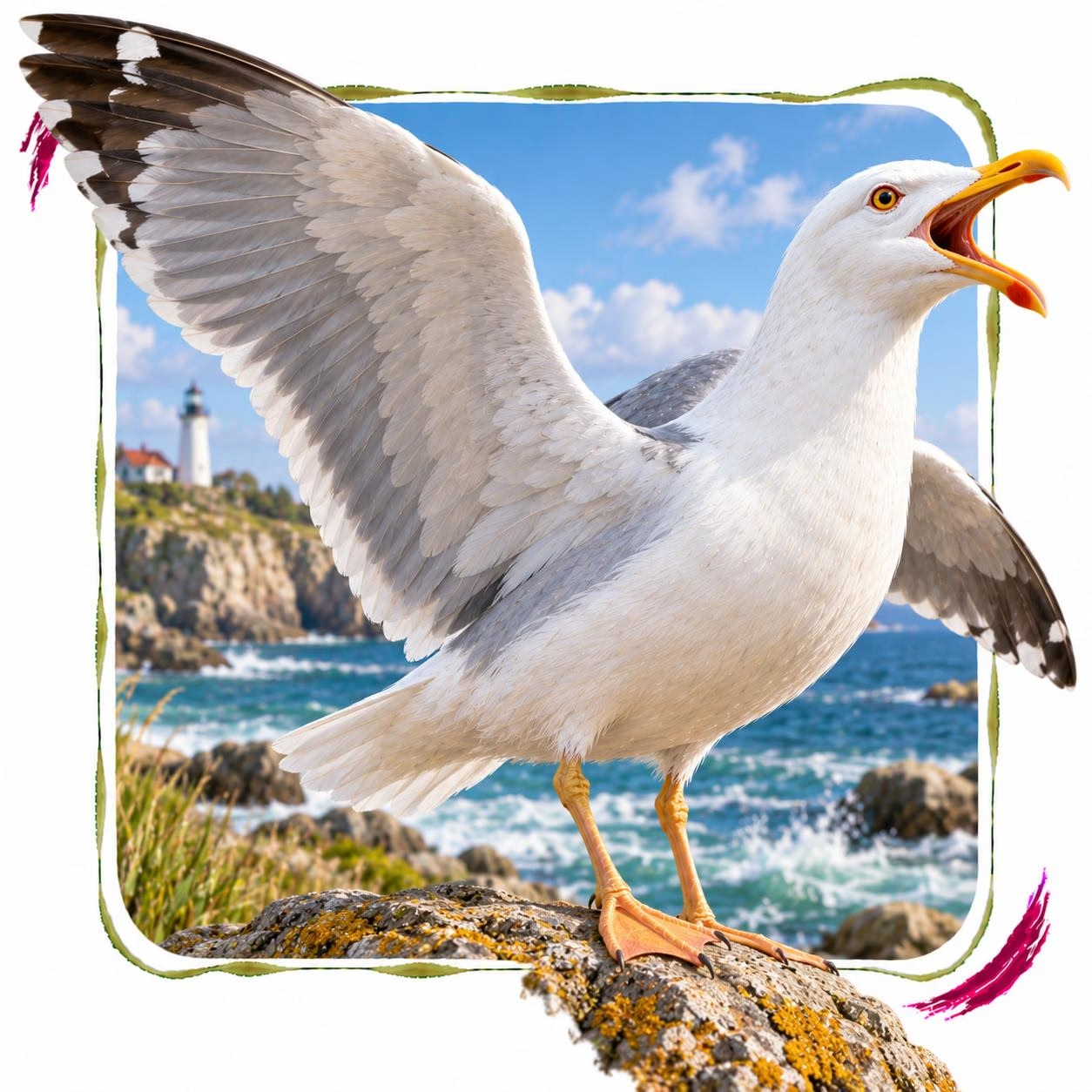
Seagulls are usually called gulls by scientists. They are clever, noisy seabirds with webbed feet, strong wings, loud calls, and flexible diets that help them live near oceans, lakes, rivers, cities, and harbors.
Quick Seagull Facts
- Animal Type: Bird
- Group: Gull and seabird
- Known For: Loud calls, webbed feet, strong flight, coastal life, and clever feeding
- Habitat: Coasts, beaches, cliffs, islands, harbors, lakes, rivers, wetlands, towns, cities, and open water depending on species
- Diet: Fish, crabs, insects, worms, mollusks, eggs, small animals, carrion, and food scraps depending on species and habitat
What You’ll Learn
Discover 10 fun seagull facts for kids about soaring, calls, feeding, coastal life, and clever behavior, plus a quiz, glossary, and activity
These simple facts are made for kids, parents, teachers, and curious little fact-hunters.
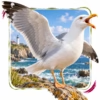
10 Fun Seagull Facts for Kids
1. Seagulls Are Birds
Seagulls are birds with feathers, wings, beaks, eggs, and warm bodies.
Kid Decode: A seagull is a loud feathered beach patrol with wings.
2. Seagulls Are Really Gulls
Scientists usually call these birds gulls, because “seagull” is a common name for many gull species.
Kid Decode: Seagull is the nickname; gull is the science name.
3. Gulls Have Webbed Feet
Gulls have webbed feet that help them walk on wet sand and swim on the water surface.
Kid Decode: Their feet are tiny beach paddles.
4. Baby Gulls Are Chicks
Baby gulls are called chicks. They hatch from eggs and depend on parents for warmth and food.
Kid Decode: A gull chick is a speckled fluff nugget with beach plans.
5. Gulls Make Loud Calls
Gulls use loud calls to communicate with mates, chicks, and other gulls.
Kid Decode: A gull call can turn a quiet beach into bird radio.
6. Gulls Are Strong Fliers
Gulls have long wings and can glide, flap, hover, and ride wind over beaches and water.
Kid Decode: They surf the air instead of the waves.
7. Gulls Eat Many Foods
Gulls are opportunistic feeders, which means they can eat many different foods depending on what they find.
Kid Decode: Their menu is a seaside everything tray.
8. Many Gulls Nest in Colonies
Some gulls nest in groups called colonies on cliffs, islands, rooftops, or open ground.
Kid Decode: A gull colony is a noisy bird neighborhood.
9. Gulls Should Not Be Fed Junk Food
Human snacks are not healthy for gulls, and feeding them can cause problems for birds and people.
Kid Decode: The kindest snack is no snack from your hand.
10. Gulls Need Clean Coasts
Gulls need clean beaches, safe nesting places, healthy waters, and natural food.
Kid Decode: Clean shores keep the feathered beach bosses thriving.
The Weirdest Seagull Fact
“Seagull” is not one exact species; it is a common name people use for many different kinds of gulls.
Try This Seagull Activity
Seagull Drawing Activity
Draw a gull standing on a sandy beach. Add webbed feet, gray and white feathers, open wings, chicks near a nest, waves, shells, fish, loud call bubbles, and a clean beach sign.
Quick Seagull Quiz
- What do scientists usually call seagulls? Answer: Gulls.
- What animal group are gulls in? Answer: Birds.
- What are baby gulls called? Answer: Chicks.
- What kind of feet help gulls swim? Answer: Webbed feet.
- Should people feed gulls junk food? Answer: No.
Mini Glossary
- Bird: A warm-blooded animal with feathers, wings, and a beak.
- Chick: A baby bird.
- Seabird: A bird that lives around oceans, coasts, or open water.
- Webbed Feet: Feet with skin between the toes that help an animal swim.
- Colony: A group of animals nesting or living close together.
 Fly Facts for Kids
 Blue-Tongued Skink Facts for Kids
 Bowhead Whale Facts for Kids
 American Cheetah Facts for Kids
More Animal Facts for Kids
Visit the full animal facts library or explore a focused animal group.
More Extinct Animal Facts for Kids
Discover dinosaurs, Ice Age giants, prehistoric sea creatures, recently extinct species, and other animals from the past.
Fact check note: Fact checked with Britannica gull resources, Britannica Kids gull resources, and trusted seabird education references.

Seagull in its natural Coasts habitat