
Sifaka Facts for Kids
Sifakas are leaping lemurs from Madagascar with silky fur, long tails, big eyes, and powerful legs. They live mostly in trees and are famous for springing between branches and doing funny sideways hops on the ground.
Quick Sifaka Facts
- Animal Type: Mammal
- Group: Primate and lemur
- Known For: Powerful leaping and sideways hopping
- Habitat: Madagascar rainforests, dry forests, coastal forests, tree canopies, and wooded areas depending on species
- Diet: Leaves, flowers, fruit, seeds, bark, and other plant material
What You’ll Learn
Explore 10 amazing sifaka facts for kids about sideways hopping, long legs, tree jumping, family groups, and Madagascar, plus a quiz, glossary, and activity
Clear explanations make them great for children, families, teachers, and young animal fans.

10 Fun Sifaka Facts for Kids
1. Sifakas Are Lemurs
Sifakas are lemurs, a primate group found naturally only on Madagascar and nearby islands.
Kid Decode: A sifaka is a lemur with trampoline legs.
2. Sifakas Live in Madagascar
Wild sifakas live only in Madagascar, where different species use forests from dry woodlands to rainforests.
Kid Decode: Madagascar is the sifaka’s leafy island kingdom.
3. Sifakas Are Amazing Leapers
Sifakas have long powerful back legs that help them leap between tree trunks and branches.
Kid Decode: A sifaka jump is a forest rocket launch in fur.
4. They Move Sideways on the Ground
When sifakas travel on the ground, they often hop sideways with arms raised for balance.
Kid Decode: Their ground walk looks like a tiny forest dance.
5. Sifakas Have Long Tails
Sifakas have long tails that help with balance while leaping, though the tail does not grip branches.
Kid Decode: The tail is a furry balance ribbon, not a hand.
6. Baby Sifakas Are Infants
Baby sifakas are called infants. They cling to their mothers at first and later ride on the back.
Kid Decode: A sifaka infant gets a bouncy treetop ride.
7. Sifakas Eat Leaves and Fruit
Sifakas mostly eat plant foods such as leaves, flowers, fruit, seeds, and bark.
Kid Decode: Their menu is a Madagascar tree salad with flower sprinkles.
8. Some Sifakas Live in Groups
Sifakas often live in small social groups that move, rest, and feed together in the forest.
Kid Decode: A sifaka group is a leaping little forest family.
9. Sifakas Have Silky Fur
Many sifakas have soft silky fur that may be white, cream, brown, black, or golden depending on the species.
Kid Decode: Their coats look like fancy forest pajamas.
10. Sifakas Need Protection
Many sifakas are threatened by habitat loss, hunting, and forest fires, so conservation is important.
Kid Decode: Protecting Madagascar forests keeps the dancing leapers safe.
The Weirdest Sifaka Fact
Sifakas can hop sideways across the ground with their arms up, making them look like they are doing a funny forest dance.
Try This Sifaka Activity
Sifaka Drawing Activity
Draw a sifaka leaping between Madagascar trees. Add long legs, silky fur, a long tail, leafy branches, flowers, fruit, a baby riding on the back, and sideways hopping footprints.
Quick Sifaka Quiz
- Where do wild sifakas live? Answer: Madagascar.
- What animal group are sifakas in? Answer: Lemurs and primates.
- What are baby sifakas called? Answer: Infants.
- How do sifakas move on the ground? Answer: They often hop sideways.
- What do sifakas mostly eat? Answer: Plant foods such as leaves, fruit, and flowers.
Mini Glossary
- Lemur: A primate group found naturally in Madagascar.
- Infant: A baby primate.
- Arboreal: Living mostly in trees.
- Canopy: The leafy upper layer of a forest.
- Habitat Loss: When an animal’s natural home is damaged or disappears.


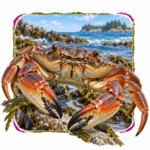 Crab Facts for Kids
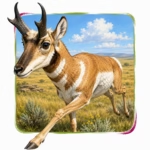 Pronghorn Facts for Kids
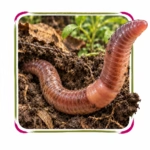 Earthworm Facts for Kids
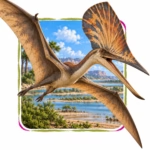 Thalassodromeus Facts for Kids
More Animal Facts for Kids
Visit the full animal facts library or explore a focused animal group.
More Extinct Animal Facts for Kids
Discover dinosaurs, Ice Age giants, prehistoric sea creatures, recently extinct species, and other animals from the past.
Fact check note: Fact checked with Britannica sifaka resources, Britannica lemur resources, and trusted Madagascar primate conservation references.

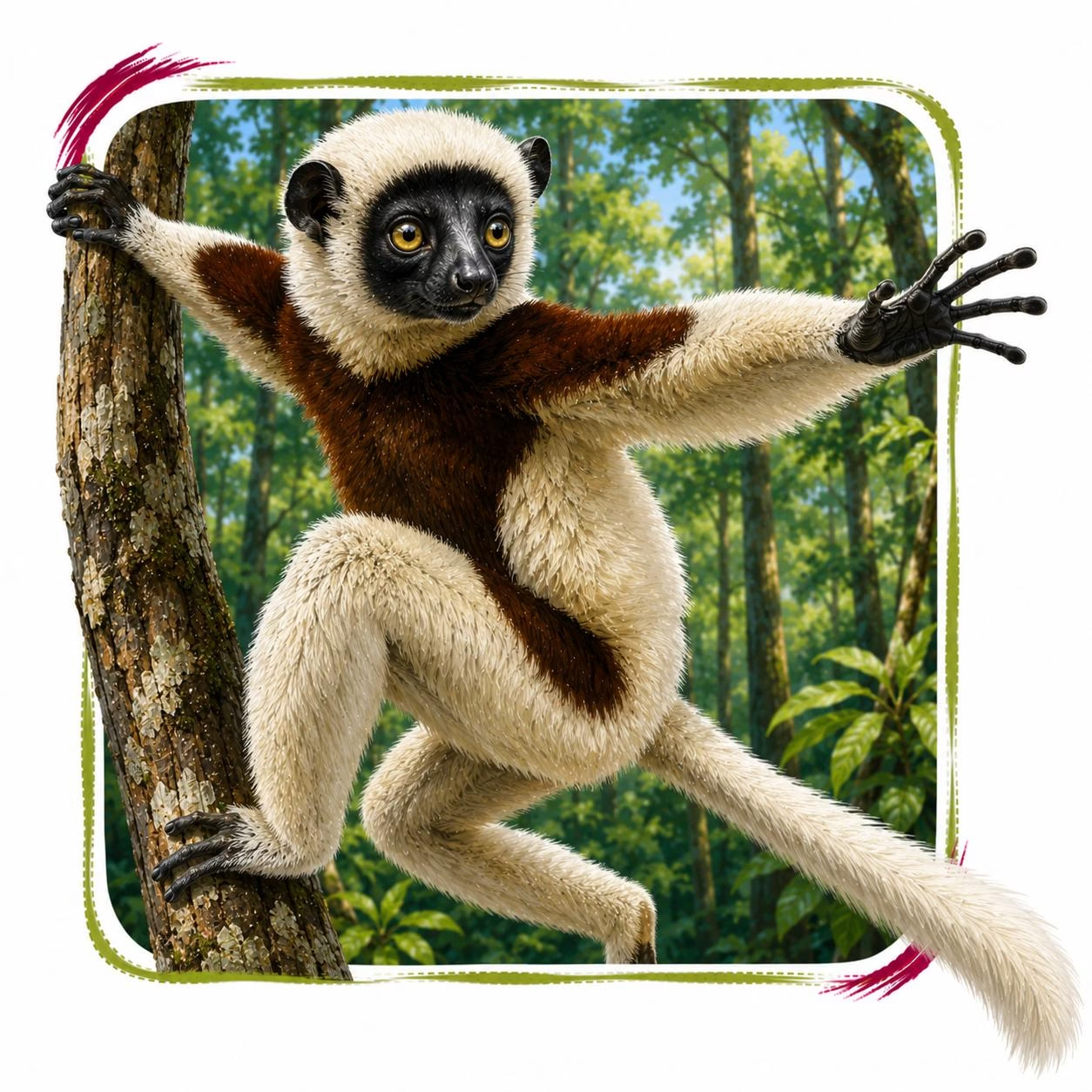
Sifaka in its natural Forests habitat