
Silverfish Facts for Kids
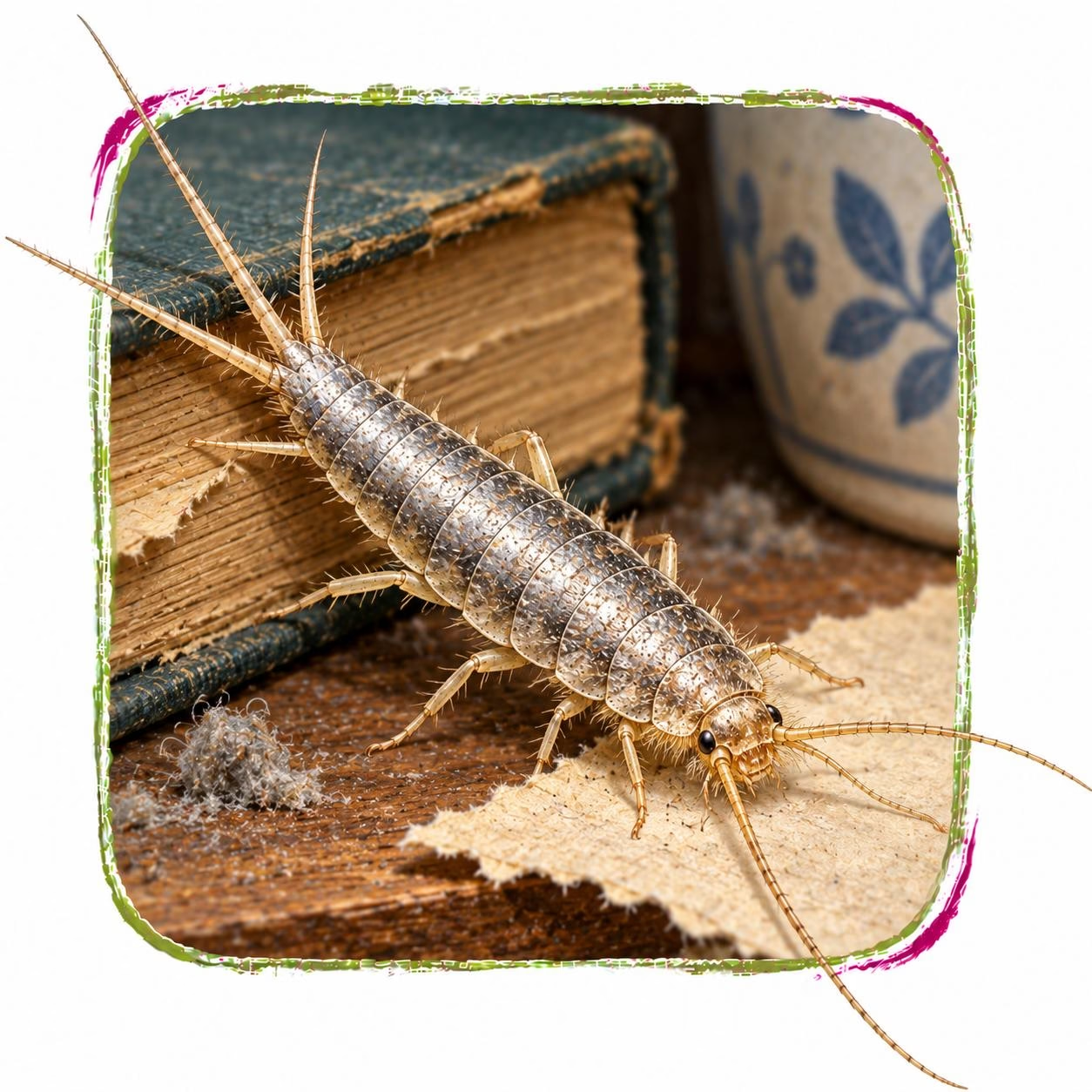
Silverfish are small, quick-moving insects with silvery scales, flat bodies, long antennae, and three tail bristles. They are often found indoors in dark, damp places where they nibble starchy materials like paper, paste, and old book bindings.
Quick Silverfish Facts
- Animal Type: Insect
- Group: Wingless insect and Zygentoma
- Known For: Silvery scales, fish-like movement, three tail bristles, long antennae, starch eating, and damp hiding places
- Habitat: Bathrooms, basements, kitchens, attics, bookshelves, closets, cracks, leaf litter, bark, and other dark or damp places
- Diet: Starchy materials, paper, glue, book bindings, wallpaper paste, flour, cereal crumbs, dead insects, mold, and tiny organic bits
What You’ll Learn
Explore 10 unusual earwig facts for kids about pincers, wings, hiding places, feeding, and surprising parental care, plus a quiz, glossary, and activity
Easy explanations make them great for children, families, teachers, and little fact-hunters.
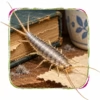
10 Fun Silverfish Facts for Kids
1. Silverfish Are Insects
Silverfish are insects with six legs, three body parts, antennae, and no wings.
Kid Decode: A silverfish is a tiny silver floor canoe with legs.
2. Silverfish Have No Wings
Silverfish are wingless insects, so they crawl quickly instead of flying.
Kid Decode: They skipped wings and chose speedy wiggle mode.
3. Baby Silverfish Are Nymphs
Young silverfish are called nymphs and look like smaller versions of adults.
Kid Decode: A silverfish nymph is a mini silver dash in training.
4. Silverfish Do Not Have Complete Metamorphosis
Silverfish grow gradually and do not have a pupa stage like butterflies or flies.
Kid Decode: No cocoon chapter here, just molts and more silver sparkle.
5. Silverfish Have Three Tail Bristles
Silverfish have three long bristles at the back of the body.
Kid Decode: The tail bristles look like tiny insect streamers.
6. Silverfish Have Silvery Scales
Silverfish bodies are covered with tiny silvery scales that can shine in light.
Kid Decode: They look like someone sprinkled moon dust on a bug.
7. Silverfish Eat Starchy Things
Silverfish can nibble materials with starch or sugars, such as paper, paste, and book bindings.
Kid Decode: To a silverfish, an old book spine can seem like a snack shelf.
8. Silverfish Like Damp Dark Places
Silverfish often hide in moist, dark places such as bathrooms, basements, and cracks.
Kid Decode: They are tiny fans of shadowy corners.
9. Silverfish Move Like Fish
Silverfish wiggle quickly as they run, which helped inspire their fishy name.
Kid Decode: It is not a fish, but it has a little floor-swim wiggle.
10. Silverfish Are Mostly Harmless to People
Silverfish do not sting or bite people, but they can damage paper, books, clothing, or stored foods.
Kid Decode: Small insect, big nuisance potential for paper treasures.
The Weirdest Silverfish Fact
A silverfish has almost no big body change as it grows, so the young look like tiny adults.
Try This Silverfish Activity
Silverfish Drawing Activity
Draw a silverfish exploring a dark bookshelf corner. Add silvery scales, long antennae, six legs, three tail bristles, tiny nymphs, paper crumbs, a book, a damp bathroom tile, and a magnifying glass.
Quick Silverfish Quiz
- What animal group are silverfish in? Answer: Insects.
- Do silverfish have wings? Answer: No.
- What are baby silverfish called? Answer: Nymphs.
- How many tail bristles do silverfish have? Answer: Three.
- What kinds of materials do silverfish often nibble? Answer: Starchy materials such as paper, paste, and book bindings.
Mini Glossary
- Insect: An animal with six legs, three body parts, and antennae.
- Nymph: A young insect stage that looks partly like the adult.
- Zygentoma: The insect order that includes silverfish and firebrats.
- Ametabolous: Growing with little change in body form and no pupa stage.
- Bristle: A stiff hair-like body part.
 Freshwater Eel Facts for Kids
 Beluga Whale Facts for Kids
 Golden Snub-Nosed Monkey Facts for Kids
 Concavenator Facts for Kids
More Animal Facts for Kids
Visit the full animal facts library or explore a focused animal group.
More Extinct Animal Facts for Kids
Discover dinosaurs, Ice Age giants, prehistoric sea creatures, recently extinct species, and other animals from the past.
Fact check note: Fact checked with Britannica silverfish resources, Britannica insect development resources, and trusted insect education references.

Silverfish in its natural Homes habitat