
Slow Loris Facts for Kids
Slow lorises are small nocturnal primates from Southeast Asia. They have big eyes, careful movements, strong gripping hands, and a rare venom defense, which means wild slow lorises should never be touched or kept as pets.
Quick Slow Loris Facts
- Animal Type: Mammal
- Group: Primate and loris
- Known For: Big eyes, slow movement, night life, tree climbing, and venomous bite defense
- Habitat: Tropical rainforests, bamboo forests, evergreen forests, secondary forests, plantations, and tree-filled habitats in Southeast Asia depending on species
- Diet: Tree gum, nectar, fruit, insects, small animals, bird eggs, sap, and other forest foods depending on species
What You’ll Learn
Learn 10 unusual slow loris facts for kids about giant eyes, slow climbing, strong grips, nighttime life, and venomous bites, plus a quiz, glossary, and activity
Easy explanations make them ideal for children, families, teachers, and young fact-finders.
10 Fun Slow Loris Facts for Kids
1. Slow Lorises Are Mammals
Slow lorises are mammals that feed milk to their young.
Kid Decode: A slow loris is a tiny night primate with huge eyes.
2. Slow Lorises Are Primates
Slow lorises belong to the primate group, along with lemurs, monkeys, apes, and humans.
Kid Decode: They are part of the big primate family tree.
3. Slow Lorises Are Nocturnal
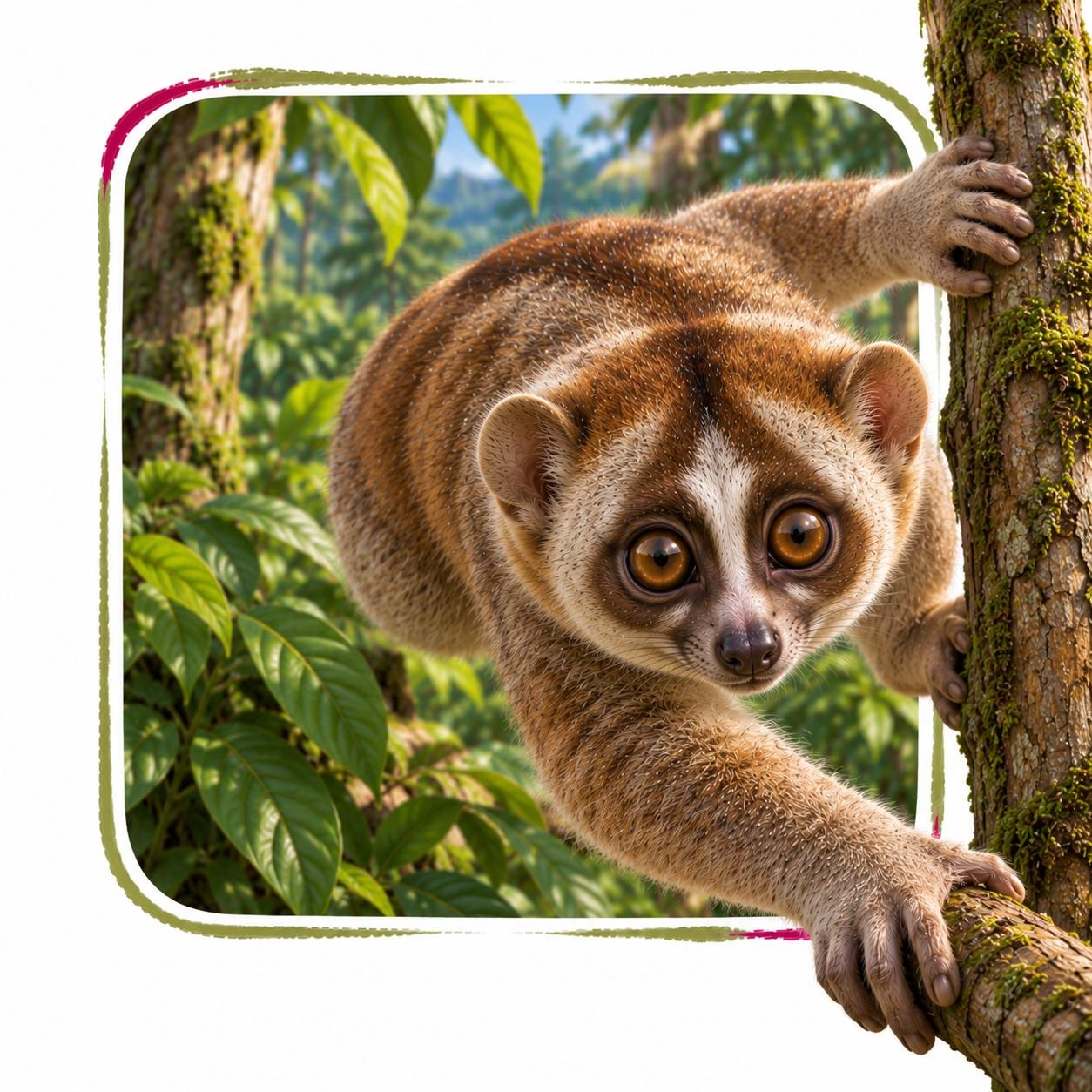
Slow lorises are active mostly at night, when their large eyes help them see in dim forest light.
Kid Decode: Their eyes are built for moonlit tree travel.
4. They Move Carefully
Slow lorises move slowly and carefully through branches, gripping tightly with hands and feet.
Kid Decode: Their style is stealthy, not speedy.
5. Baby Slow Lorises Are Infants
Baby slow lorises are called infants and cling to their mothers when young.
Kid Decode: A loris infant is a tiny wide-eyed passenger.
6. Slow Lorises Can Be Venomous
Slow lorises have glands near their arms that can make a toxin, which may mix with saliva for a venomous bite.
Kid Decode: Cute face, serious safety warning.
7. They Use Strong Grips
Slow lorises have powerful hands and feet that help them hold branches for a long time.
Kid Decode: Their grip is like a tiny tree clamp.
8. They Eat Tree Gum and Insects
Slow lorises eat tree gum, nectar, fruit, insects, and other forest foods.
Kid Decode: Their menu includes sticky tree snacks and crunchy bugs.
9. Slow Lorises Need Trees
Slow lorises spend much of their lives in trees, moving, feeding, hiding, and resting among branches.
Kid Decode: For a slow loris, the forest canopy is home.
10. Slow Lorises Need Protection
Slow lorises are threatened by habitat loss and the illegal wildlife trade.
Kid Decode: They belong in forests, not in pet videos.
The Weirdest Slow Loris Fact
The slow loris is one of the only venomous primates, even though it looks soft, sleepy, and harmless.
Try This Slow Loris Activity
Slow Loris Drawing Activity
Draw a slow loris holding a rainforest branch at night. Add big eyes, round ears, strong hands, an infant clinging nearby, leaves, fruit, insects, moonlight, and a “wild animals belong in forests” sign.
Quick Slow Loris Quiz
- What animal group are slow lorises in? Answer: Mammals.
- What type of mammal is a slow loris? Answer: A primate.
- When are slow lorises most active? Answer: At night.
- What are baby slow lorises called? Answer: Infants.
- Should people touch or keep wild slow lorises as pets? Answer: No.
Mini Glossary
- Mammal: An animal that feeds milk to its young.
- Primate: A mammal group that includes lorises, lemurs, monkeys, apes, and humans.
- Nocturnal: Active mostly at night.
- Venom: A toxic substance some animals use for defense or hunting.
- Canopy: The upper layer of a forest made by tree branches and leaves.
 Eagle Facts for Kids
 Ape Facts for Kids
 Camel Facts for Kids
 Placodus Facts for Kids
More Animal Facts for Kids
Visit the full animal facts library or explore a focused animal group.
More Extinct Animal Facts for Kids
Discover dinosaurs, Ice Age giants, prehistoric sea creatures, recently extinct species, and other animals from the past.
Fact check note: Fact checked with Britannica slow loris resources, Britannica loris resources, and trusted primate conservation education references.

Slow Loris in its natural Rainforests habitat