
Spoonbill Facts for Kids
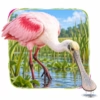
Spoonbills are long-legged wading birds with amazing spoon-shaped bills. They walk through shallow water and sweep their bills from side to side to catch small fish, crustaceans, insects, and other wetland food.
Quick Spoonbill Facts
- Animal Type: Bird
- Group: Ibis and spoonbill family; wading bird
- Known For: Spoon-shaped bills, sweeping feeding, long legs, wetlands, colonies, and graceful flight
- Habitat: Marshes, swamps, lakes, lagoons, estuaries, mangroves, mudflats, coastal wetlands, and shallow-water habitats depending on species
- Diet: Small fish, crustaceans, shrimp, insects, aquatic larvae, frogs, snails, and other small water animals
What You’ll Learn
Explore 10 fascinating spoonbill facts for kids about spoon-shaped bills, sweeping feeding, pink or white feathers, and wetlands, with a quiz, glossary, and activity
These facts are explained simply for kids, parents, teachers, and curious young learners.
10 Fun Spoonbill Facts for Kids
1. Spoonbills Are Birds
Spoonbills are birds with feathers, wings, beaks, and eggs.
Kid Decode: A spoonbill is a wetland bird with a breakfast spoon for a face.
2. Spoonbills Are Wading Birds
Spoonbills use long legs to walk through shallow water while feeding.
Kid Decode: Their legs are built-in wetland stilts.
3. Baby Spoonbills Are Chicks
Baby spoonbills are called chicks and hatch from eggs in nests.
Kid Decode: A spoonbill chick starts life in a twiggy bird nursery.
4. Spoonbills Have Spoon-Shaped Bills
Spoonbills are named for their long flat bills with rounded spoon-like tips.
Kid Decode: The bill looks like nature invented a bird ladle.
5. Spoonbills Sweep for Food
Spoonbills sweep their bills side to side through shallow water or mud to catch prey.
Kid Decode: They feed by swishing like tiny marsh detectives.
6. Spoonbills Eat Small Water Animals
Spoonbills catch fish, shrimp, crustaceans, insects, and other small wetland animals.
Kid Decode: Their menu is a wiggly shallow-water snack tray.
7. Some Spoonbills Are Pink
The roseate spoonbill can be pink because pigments from its food help color its feathers.
Kid Decode: Some spoonbills look like sunset decided to stand in a marsh.
8. Spoonbills May Nest in Colonies
Spoonbills often nest near other wading birds in groups called colonies.
Kid Decode: A colony is a busy treetop or wetland apartment block.
9. Spoonbills Fly With Neck and Legs Out
When spoonbills fly, they usually stretch out their necks and legs.
Kid Decode: In flight, they look long from beak to toes.
10. Spoonbills Need Healthy Wetlands
Spoonbills need clean shallow water, safe nesting sites, and plenty of small prey.
Kid Decode: Protecting wetlands keeps the spoon-billed sweepers feeding.
The Weirdest Spoonbill Fact
A spoonbill can find food by sweeping its bill through muddy water, even when it cannot clearly see the prey.
Try This Spoonbill Activity
Spoonbill Drawing Activity
Draw a spoonbill sweeping its bill through shallow water. Add long legs, spoon-shaped bill, chicks in a nest, shrimp, fish, mud ripples, reeds, mangroves, colony friends, and a pink roseate spoonbill color option.
Quick Spoonbill Quiz
- What animal group are spoonbills in? Answer: Birds.
- What are baby spoonbills called? Answer: Chicks.
- What special bill shape do spoonbills have? Answer: A spoon-shaped bill.
- How do spoonbills feed? Answer: By sweeping the bill side to side in shallow water.
- What do spoonbills eat? Answer: Small fish, crustaceans, insects, and other water animals.
Mini Glossary
- Bird: An animal with feathers, wings, and a beak.
- Wading Bird: A bird that walks through shallow water to feed.
- Chick: A baby bird.
- Colony: A group of animals nesting or living close together.
- Estuary: A place where river water mixes with seawater.
 Seal Facts for Kids
 Grey Seal Facts for Kids
 Olm Facts for Kids
 Hallucigenia Facts for Kids
More Animal Facts for Kids
Visit the full animal facts library or explore a focused animal group.
More Extinct Animal Facts for Kids
Discover dinosaurs, Ice Age giants, prehistoric sea creatures, recently extinct species, and other animals from the past.
Fact check note: Fact checked with Britannica spoonbill resources, Britannica ibis and spoonbill family resources, and trusted wetland bird education references.

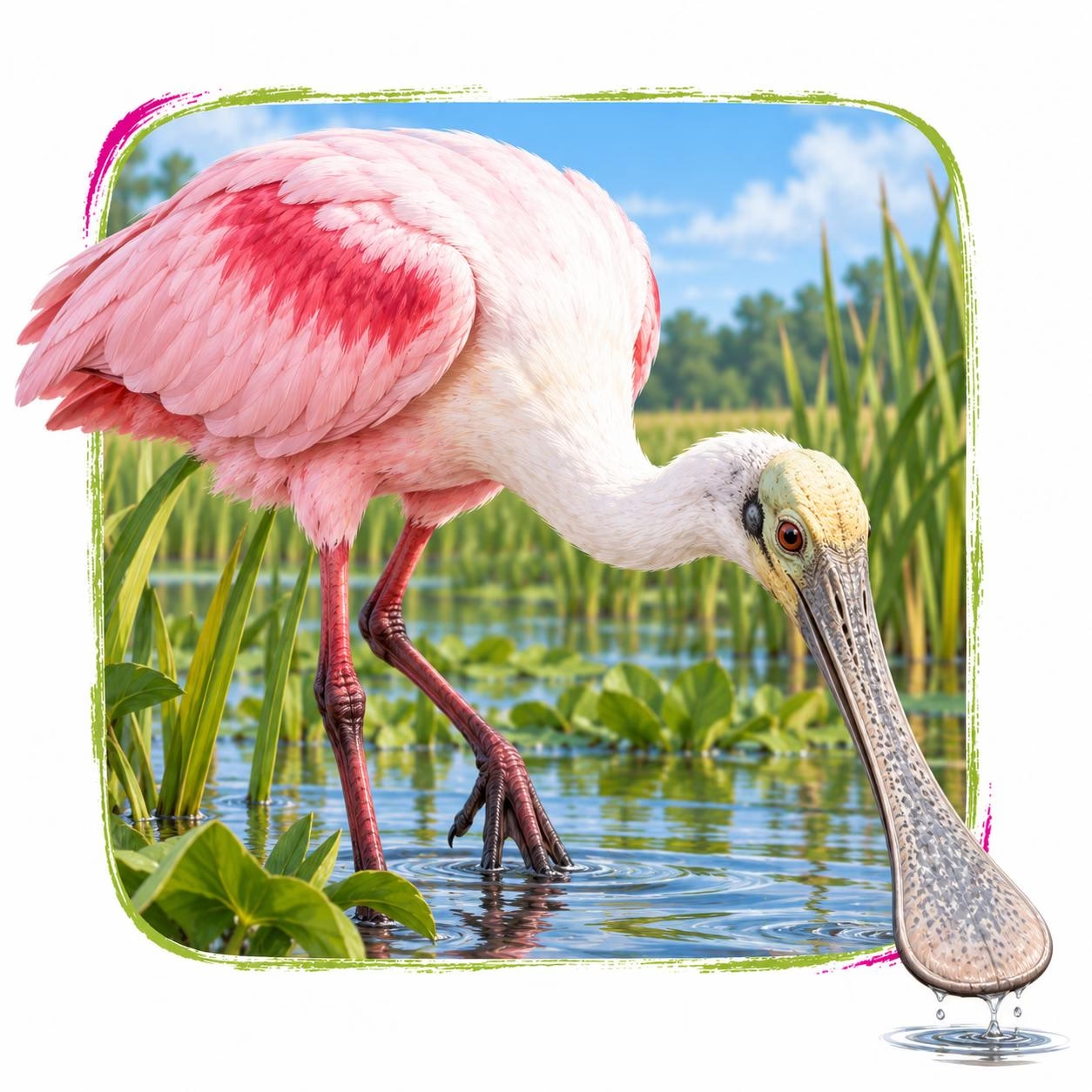
Spoonbill in its natural Wetlands habitat