
Stag Beetle Facts for Kids
Stag beetles are beetles famous for the huge jaw-like mandibles on many males. These jaws can look like deer antlers, which is why they are called stag beetles, but the larvae quietly grow in rotting wood before becoming adults.
Quick Stag Beetle Facts
- Animal Type: Insect
- Group: Beetle and stag beetle family
- Known For: Enlarged male mandibles, rotting wood larvae, sap feeding, night activity, hard wing covers, and woodland life
- Habitat: Woodlands, forests, parks, gardens, old trees, rotting logs, tree stumps, dead wood, orchards, and leafy places depending on species
- Diet: Larvae feed on rotting wood; adults may feed on tree sap, fruit juices, or other sweet liquids depending on species
What You’ll Learn
Discover 10 clever dung beetle facts for kids about rolling dung, digging, navigation, strength, and recycling nutrients, with a quiz, glossary, and activity
These easy facts are made for kids, parents, teachers, and curious young learners.
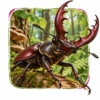
10 Fun Stag Beetle Facts for Kids
1. Stag Beetles Are Insects
Stag beetles are insects with six legs, three body parts, antennae, and hard wing covers.
Kid Decode: A stag beetle is a tiny woodland knight with antler jaws.
2. Stag Beetles Are Beetles
Stag beetles belong to the beetle order, which has hard front wings called elytra.
Kid Decode: They wear beetle wing shields like little armor doors.
3. Baby Stag Beetles Are Larvae
Young stag beetles are called larvae and usually live in rotting wood.
Kid Decode: A stag beetle larva is a pale grub helping old wood break down.
4. Male Stag Beetles Have Big Mandibles
Many male stag beetles have enlarged mandibles that look like antlers.
Kid Decode: Those jaws are flashy beetle antlers, not scary monster teeth.
5. Males Use Mandibles for Wrestling
Male stag beetles may use their mandibles to wrestle rival males.
Kid Decode: They are tiny sumo wrestlers with jaw handles.
6. Female Stag Beetles Have Smaller Jaws
Females usually have smaller mandibles than males, but they can still bite if handled.
Kid Decode: The best beetle rule is watch gently and do not grab.
7. Stag Beetle Larvae Help Recycle Wood
Stag beetle larvae feed on decaying wood and help return dead trees to the soil.
Kid Decode: They are quiet forest recyclers in grub form.
8. Adults May Drink Sap
Adult stag beetles often feed on tree sap or sweet liquids.
Kid Decode: A sap leak is their woodland juice bar.
9. Stag Beetles Have Complete Metamorphosis
Stag beetles grow from egg to larva to pupa to adult.
Kid Decode: Before the antler-jawed adult, there is a hidden grub chapter.
10. Stag Beetles Need Dead Wood
Stag beetles need old trees, rotting logs, and safe woodland habitats for larvae.
Kid Decode: Leaving dead wood can help future beetle giants grow.
The Weirdest Stag Beetle Fact
Some male stag beetles use their oversized jaws like antlers to wrestle rivals.
Try This Stag Beetle Activity
Stag Beetle Drawing Activity
Draw a stag beetle on an old tree stump at night. Add large male mandibles, smaller female beetle, larvae inside rotting wood, pupae, tree sap drops, hard wing covers, mushrooms, leaf litter, and moonlight.
Quick Stag Beetle Quiz
- What animal group are stag beetles in? Answer: Insects.
- What are baby stag beetles called? Answer: Larvae.
- What big body parts are male stag beetles famous for? Answer: Enlarged mandibles.
- Where do stag beetle larvae often live? Answer: In rotting wood.
- What sweet liquid may adult stag beetles drink? Answer: Tree sap.
Mini Glossary
- Insect: An animal with six legs, three body parts, and antennae.
- Larva: A young stage that looks different from the adult.
- Mandible: A jaw or jaw-like mouthpart.
- Elytra: Hard front wings that cover and protect beetle flight wings.
- Rotting Wood: Dead wood breaking down and returning nutrients to soil.
 Mouse Facts for Kids
 Lungfish Facts for Kids
 Screech Owl Facts for Kids
 Embolotherium Facts for Kids
More Animal Facts for Kids
Visit the full animal facts library or explore a focused animal group.
More Extinct Animal Facts for Kids
Discover dinosaurs, Ice Age giants, prehistoric sea creatures, recently extinct species, and other animals from the past.
Fact check note: Fact checked with Britannica stag beetle resources, Britannica beetle resources, and trusted woodland insect education references.

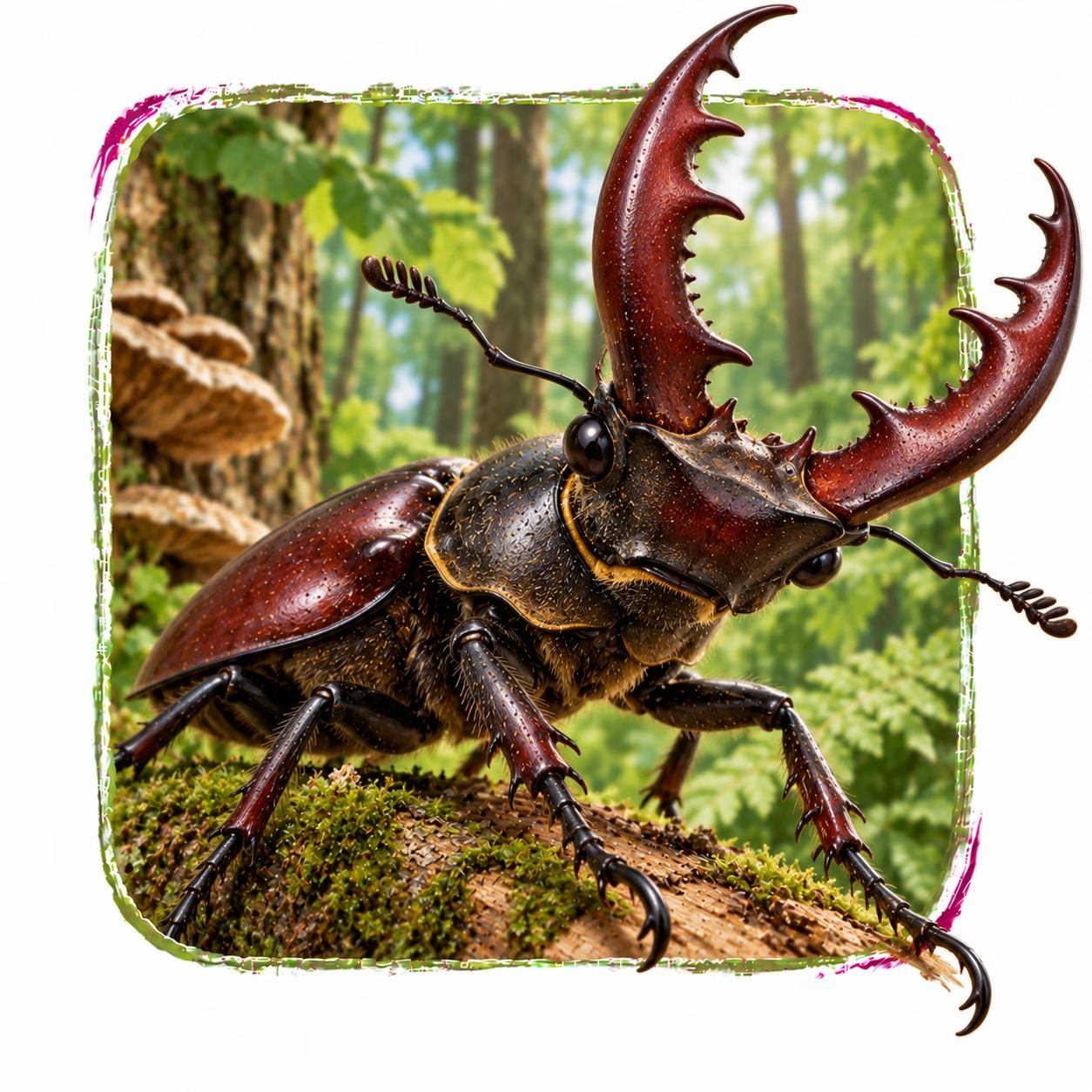
Stag Beetle in its natural Forests habitat