
Starling Facts for Kids
Starlings are clever songbirds known for shiny feathers, noisy calls, and amazing flock flights called murmurations. They search for insects, fruit, seeds, and other foods in fields, gardens, towns, farms, and open habitats.
Quick Starling Facts
- Animal Type: Bird
- Group: Songbird and starling family
- Known For: Murmurations, mimicry, glossy feathers, noisy flocks, and nest holes
- Habitat: Fields, farms, gardens, parks, towns, woodlands, grasslands, orchards, wetlands, and open habitats depending on species
- Diet: Insects, worms, beetles, fruit, berries, seeds, grain, and other small foods depending on season and species
What You’ll Learn
Discover 10 fascinating starling facts for kids about shiny feathers, mimicry, flocking, murmurations, and city life, with a quiz, glossary, and activity
These simple facts are explained for kids, parents, teachers, and curious little fact-finders.
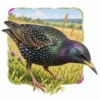
10 Fun Starling Facts for Kids
1. Starlings Are Birds
Starlings are birds with feathers, wings, beaks, and eggs.
Kid Decode: A starling is a shiny little chatterbox with wings.
2. Starlings Are Songbirds
Starlings belong to the songbird group and can make many calls and sounds.
Kid Decode: Their voices are like tiny feathered soundboards.
3. Baby Starlings Are Chicks
Baby starlings are called chicks and hatch from eggs in nests.
Kid Decode: A starling chick begins life as a hungry little beak in a nest hole.
4. Starlings Can Mimic Sounds
Some starlings can copy sounds from other birds, animals, or even human-made noises.
Kid Decode: A starling can be the bird world’s surprise impressionist.
5. Starlings Form Murmurations
Large groups of starlings can fly together in swirling shapes called murmurations.
Kid Decode: A murmuration looks like a living cloud drawing pictures in the sky.
6. Starlings Have Glossy Feathers
Many starlings have dark feathers that shine purple, green, or blue in sunlight.
Kid Decode: Their feathers can sparkle like oil-slick rainbows.
7. Starlings Eat Insects
Starlings search lawns, fields, and soil for insects, worms, and beetles.
Kid Decode: Their beaks turn the ground into a bug treasure map.
8. Starlings Also Eat Fruit
Starlings can eat berries, fruit, seeds, and grain when available.
Kid Decode: Their menu changes from crunchy bugs to juicy fruit snacks.
9. Starlings Nest in Holes
Many starlings nest in tree holes, building gaps, nest boxes, or other cavities.
Kid Decode: A tiny hole can become a noisy starling nursery.
10. Starlings Need Balanced Habitats
Starlings need food, nesting spaces, and safe places to roost, but in some places they can compete with native birds.
Kid Decode: Even clever flock birds need habitats managed with care.
The Weirdest Starling Fact
A starling murmuration can twist and swirl like a giant sky ribbon made of hundreds or thousands of birds.
Try This Starling Activity
Starling Drawing Activity
Draw a starling flock making a murmuration in the sky. Add one shiny starling close up, glossy feathers, chicks in a nest hole, berries, insects, fields, clouds, and swirling flight lines.
Quick Starling Quiz
- What animal group are starlings in? Answer: Birds.
- What are baby starlings called? Answer: Chicks.
- What is a huge swirling starling flock called? Answer: A murmuration.
- What can some starlings copy? Answer: Sounds and calls.
- Where do many starlings nest? Answer: In holes or cavities.
Mini Glossary
- Bird: An animal with feathers, wings, and a beak.
- Songbird: A bird known for calls or songs.
- Chick: A baby bird.
- Murmuration: A large flock of starlings flying together in swirling patterns.
- Mimicry: Copying sounds, shapes, or behaviors.
 Fossa Facts for Kids
 Javan Rhino Facts for Kids
 Pill Bug Facts for Kids
 Fukuiraptor Facts for Kids
More Animal Facts for Kids
Visit the full animal facts library or explore a focused animal group.
More Extinct Animal Facts for Kids
Discover dinosaurs, Ice Age giants, prehistoric sea creatures, recently extinct species, and other animals from the past.
Fact check note: Fact checked with Britannica starling resources, Britannica common starling resources, and trusted bird education references.

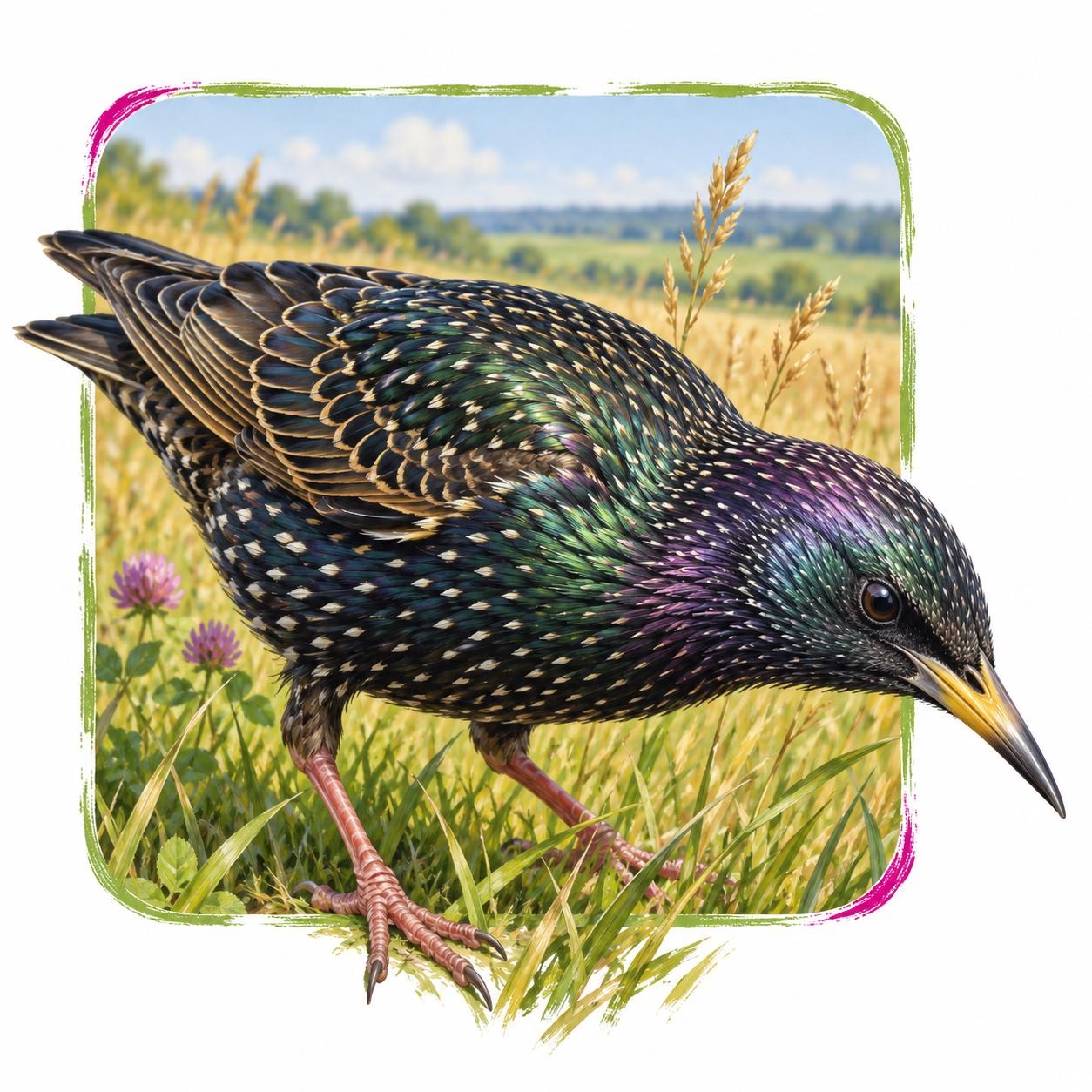
Starling in its natural Grasslands habitat