
Stick Insect Facts for Kids
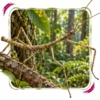
Stick insects are amazing insects that look like twigs, sticks, or leaves. Their long thin bodies, slow movement, and clever camouflage help them hide from birds, reptiles, and other hungry animals.
Quick Stick Insect Facts
- Animal Type: Insect
- Group: Walking stick and phasmid
- Known For: Twig-like bodies, camouflage, slow movement, and leaf eating
- Habitat: Forests, rainforests, woodlands, gardens, shrubs, leafy plants, tropical habitats, and warm places worldwide depending on species
- Diet: Leaves, shrubs, tree foliage, bramble leaves, eucalyptus leaves, oak leaves, and other plant foods depending on species
What You’ll Learn
Discover 10 camouflaged stick insect facts for kids about twig-like bodies, hiding, molting, long legs, and plant diets, plus a quiz, glossary, and activity
These simple facts are written for kids, parents, teachers, and curious little fact-finders.
10 Fun Stick Insect Facts for Kids
1. Stick Insects Are Insects
Stick insects are insects with six legs, antennae, and bodies made of three main parts.
Kid Decode: A stick insect is a walking twig with tiny secret legs.
2. They Are Masters of Camouflage
Stick insects look like sticks, twigs, leaves, or bark, which helps them hide from predators.
Kid Decode: This bug is basically a forest disguise expert.
3. Baby Stick Insects Are Nymphs
Baby stick insects are called nymphs. They look like tiny adults and grow bigger by molting.
Kid Decode: A stick insect nymph is a baby twiglet with legs.
4. Stick Insects Lay Eggs
Many stick insects drop or place eggs on the ground or near plants, depending on the species.
Kid Decode: The eggs can look like tiny seeds in the leaf litter.
5. Stick Insects Molt to Grow
Stick insects shed their outer covering as they grow because their hard body shell cannot stretch.
Kid Decode: Molting is bug outfit upgrade day.
6. They Eat Leaves
Stick insects are herbivores that mostly eat leaves from trees, shrubs, and other plants.
Kid Decode: Their lunch is a leafy green buffet.
7. Some Sway Like Twigs
Some stick insects gently sway back and forth, which can make them look like twigs moving in the wind.
Kid Decode: The sway says, nothing to see here, just a breezy stick.
8. Some Have Wings
Some adult stick insects have wings, while others are wingless. Wings depend on the species and sex.
Kid Decode: Some sticks come with surprise flight panels.
9. They Can Lose a Leg
Some stick insects can survive losing a leg, and young ones may regrow part of it during later molts.
Kid Decode: That is tiny bug repair work in progress.
10. Stick Insects Need Plant Habitats
Stick insects need safe leafy habitats where they can hide, eat, and lay eggs.
Kid Decode: Protecting plants keeps the walking twigs wandering.
The Weirdest Stick Insect Fact
Some stick insects look so much like twigs that predators may stare right at them and still miss the bug.
Try This Stick Insect Activity
Stick Insect Drawing Activity
Draw a stick insect hiding on a leafy branch. Add six thin legs, antennae, twig body, tiny eggs like seeds, a nymph, leaf bites, bark lines, and a bird looking confused nearby.
Quick Stick Insect Quiz
- What animal group are stick insects in? Answer: Insects.
- How many legs does a stick insect have? Answer: Six.
- What are baby stick insects called? Answer: Nymphs.
- What do stick insects mostly eat? Answer: Leaves.
- Why do stick insects look like twigs? Answer: Camouflage helps them hide from predators.
Mini Glossary
- Insect: An animal with six legs, antennae, and three main body parts.
- Nymph: A young insect that looks like a smaller version of the adult.
- Camouflage: Colors or shapes that help an animal blend into its surroundings.
- Molt: To shed an old outer covering so the animal can grow.
- Herbivore: An animal that eats mostly plants.
 Gelada Facts for Kids
 Ocean Sunfish Facts for Kids
 Peacock Facts for Kids
 Pterodaustro Facts for Kids
More Animal Facts for Kids
Visit the full animal facts library or explore a focused animal group.
More Extinct Animal Facts for Kids
Discover dinosaurs, Ice Age giants, prehistoric sea creatures, recently extinct species, and other animals from the past.
Fact check note: Fact checked with Britannica walking stick resources, Britannica Kids mimicry resources, and trusted insect education references.

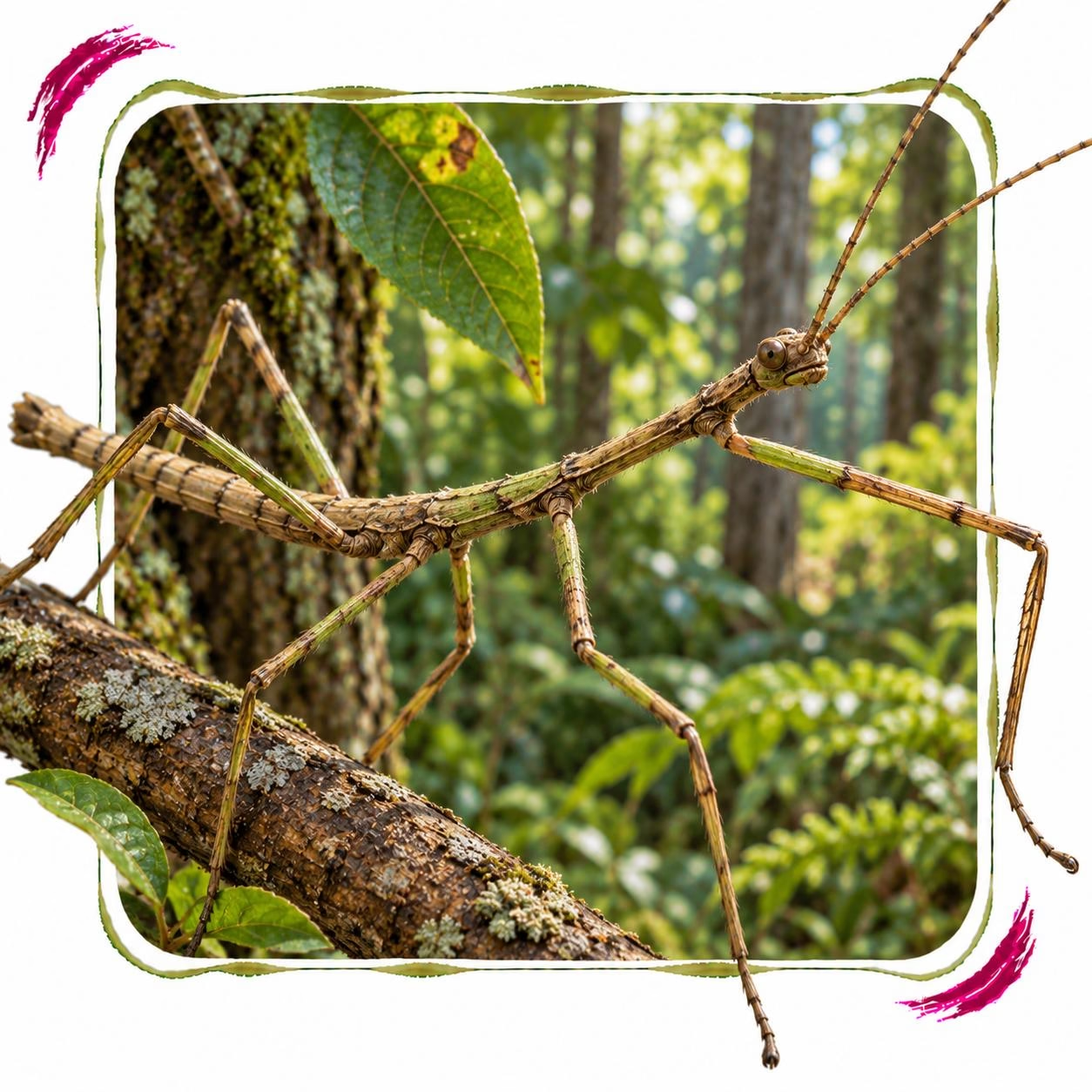
Stick Insect in its natural Forests habitat