
Stingray Facts for Kids
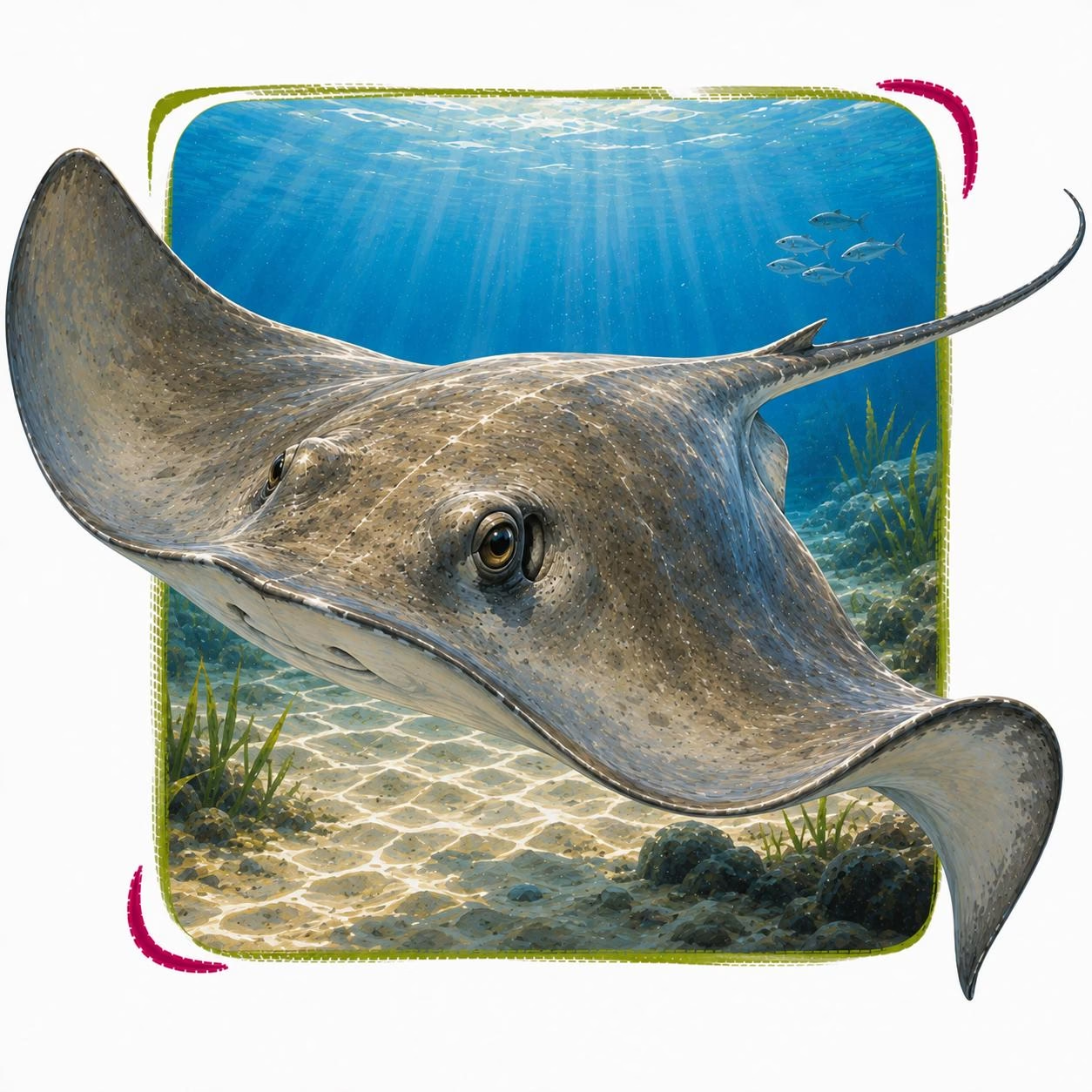
Stingrays are flat ocean fish related to sharks. They glide over sandy seafloors with wing-like fins, breathe through gills, and many have a sharp tail barb used for defense when they feel threatened.
Quick Stingray Facts
- Animal Type: Fish
- Group: Ray
- Known For: Flat bodies and tail barbs
- Habitat: Sandy seafloors, coastal waters, reefs, estuaries, and some rivers
- Diet: Clams, worms, shrimp, crabs, small fish, and other bottom animals
What You’ll Learn
Discover 10 fascinating stingray facts for kids about flat bodies, wings, hiding in sand, feeding, and ocean life, plus a quiz, glossary, and stingray activity
These facts are written simply for kids, parents, teachers, and young fact-hunters.
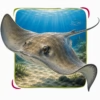
10 Fun Stingray Facts for Kids
1. Stingrays Are Fish
Stingrays may look like floating pancakes, but they are fish. They breathe underwater using gills.
Kid Decode: A stingray is a fish with a flying carpet body.
2. Stingrays Are Related to Sharks
Stingrays are close relatives of sharks. Like sharks, they have skeletons made of cartilage instead of hard bones.
Kid Decode: Stingrays are the flat cousins in the shark family neighborhood.
3. Stingrays Have Flat Bodies
A stingray’s wide, flat body helps it glide along the seafloor and hide in sand.
Kid Decode: Flat is the stingray’s ocean super-shape.
4. Many Stingrays Have Tail Barbs
Many stingrays have one or more sharp barbs on the tail. These are mainly used for defense, not for hunting people.
Kid Decode: The tail barb is a “please back away” tool.
5. Stingrays Glide With Wing-Like Fins
Stingrays swim by moving their large pectoral fins like wings. This makes them look like they are flying underwater.
Kid Decode: Stingrays flap through the sea without feathers.
6. Baby Stingrays Are Called Pups
Baby stingrays are called pups. Many pups are born looking like tiny versions of adult stingrays.
Kid Decode: A stingray pup starts life as a tiny sea pancake.
7. Stingrays Hunt on the Seafloor
Many stingrays search for food buried in sand or mud. They eat clams, worms, shrimp, crabs, and small fish.
Kid Decode: Stingrays shop for snacks under the sand.
8. Stingrays Have Electric Senses
Stingrays can sense tiny electrical signals from prey. These special senses help them find food hidden on the seafloor.
Kid Decode: A stingray has a built-in prey detector.
9. Stingrays Have Eyes on Top
Stingray eyes are on top of the body, while the mouth and gills are underneath. This helps them watch above while feeding below.
Kid Decode: Stingrays keep watch upstairs and eat downstairs.
10. Stingrays Need Safe Oceans
Stingrays can be harmed by pollution, fishing gear, and habitat damage. Clean oceans and healthy seafloors help them survive.
Kid Decode: Protecting sandy seafloors helps the gliders of the sea.
The Weirdest Stingray Fact
A stingray’s mouth is underneath its body, so it can glide over food and scoop snacks from the seafloor.
Try This Stingray Activity
Stingray Drawing Activity
Draw a stingray gliding over a sandy seafloor. Add wing-like fins, a long tail, eyes on top, bubbles, shells, shrimp, and a small pup nearby.
Quick Stingray Quiz
- Are stingrays fish? Answer: Yes.
- What are stingrays related to? Answer: Sharks.
- What is a baby stingray called? Answer: A pup.
- What is a stingray skeleton made of? Answer: Cartilage.
- What do many stingrays have on their tails for defense? Answer: A barb.
Mini Glossary
- Cartilage: Strong flexible material found in sharks and rays.
- Barb: A sharp tail spine used for defense.
- Gills: Body parts fish use to get oxygen from water.
- Pup: A baby stingray or shark.
- Seafloor: The bottom of the ocean or sea.
 Snowy Owl Facts for Kids
 Stick Insect Facts for Kids
 Halibut Facts for Kids
 Megalodon Facts for Kids
More Animal Facts for Kids
Visit the full animal facts library or explore a focused animal group.
More Extinct Animal Facts for Kids
Discover dinosaurs, Ice Age giants, prehistoric sea creatures, recently extinct species, and other animals from the past.
Fact check note: Fact checked with National Geographic Kids stingray resources, National Geographic stingray resources, National Geographic Kids ray resources, and trusted marine wildlife education references.

Stingray in its natural Oceans habitat