
Swan Facts for Kids
Swans are large graceful waterbirds with long necks, heavy bodies, big feet, and strong wings. They are related to ducks and geese and often live on lakes, rivers, wetlands, ponds, and marshes.
Quick Swan Facts
- Animal Type: Bird
- Group: Waterfowl
- Known For: Long necks and graceful swimming
- Habitat: Lakes, rivers, ponds, marshes, wetlands, and coastal waters
- Diet: Aquatic plants, seeds, roots, small invertebrates, and fish eggs
What You’ll Learn
Explore 10 graceful swan facts for kids about long necks, swimming, nests, cygnets, and family life, with a quiz, glossary, and swan activity
These simple facts are written for kids, parents, teachers, and curious young animal lovers.
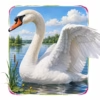
10 Fun Swan Facts for Kids
1. Swans Are Waterbirds
Swans live on or near water. They belong to the waterfowl family along with ducks and geese.
Kid Decode: A swan is the elegant cousin at the duck-and-goose table.
2. Swans Have Long Necks
Long necks help swans reach underwater plants while swimming and feeding in shallow water.
Kid Decode: A swan neck is a graceful underwater snack tool.
3. Swans Are Strong Fliers
Swans may look heavy, but many are strong fliers and can travel long distances during migration.
Kid Decode: Swans can turn from lake boats into sky travelers.
4. Baby Swans Are Called Cygnets
Baby swans are called cygnets. They hatch covered in soft down and can swim soon after hatching.
Kid Decode: A cygnet is a fluffy little lake passenger.
5. Male Swans Are Cobs and Females Are Pens
A male swan is called a cob, and a female swan is called a pen.
Kid Decode: Swan families come with wonderfully old-fashioned names.
6. Swans Eat Aquatic Plants
Swans often feed on water plants by dipping their bills below the surface. They may also eat seeds, roots, and small animals.
Kid Decode: Swans nibble from the lake salad bar.
7. Swans Build Nests Near Water
Swans usually build nests on the ground near water using plants, reeds, and other soft materials.
Kid Decode: A swan nest is a lakeside plant cushion.
8. Some Cygnets Ride on Parents
In some swan species, young cygnets may ride on a parent’s back while resting or traveling.
Kid Decode: A swan parent can become a floating baby bus.
9. Many Swans Migrate
Many swans migrate between breeding and wintering areas. Migration helps them find food and safe water through the seasons.
Kid Decode: Swans follow seasonal sky roads.
10. Swans Protect Their Young
Parent swans can be protective around eggs and cygnets. It is best to watch wild swans from a respectful distance.
Kid Decode: Elegant does not mean weak.
The Weirdest Swan Fact
Some cygnets can swim only hours after hatching, and in some species they may ride on a parent’s back.
Try This Swan Activity
Swan Drawing Activity
Draw a swan gliding across a calm lake. Add a long curved neck, big wings, water plants, reeds, a nest, fluffy cygnets, and soft sunset colors.
Quick Swan Quiz
- What are baby swans called? Answer: Cygnets.
- What bird family includes swans, ducks, and geese? Answer: Waterfowl.
- What is a male swan called? Answer: A cob.
- What is a female swan called? Answer: A pen.
- What do swans often eat? Answer: Aquatic plants, seeds, roots, and small animals.
Mini Glossary
- Cygnet: A baby swan.
- Cob: A male swan.
- Pen: A female swan.
- Waterfowl: Water birds such as swans, ducks, and geese.
- Migration: Seasonal movement from one place to another.
 Bee Facts for Kids
 Asiatic Lion Facts for Kids
 Snow Goose Facts for Kids
 Smilodon Facts for Kids
More Animal Facts for Kids
Visit the full animal facts library or explore a focused animal group.
More Extinct Animal Facts for Kids
Discover dinosaurs, Ice Age giants, prehistoric sea creatures, recently extinct species, and other animals from the past.
Fact check note: Fact checked with Britannica Kids swan resources, Britannica swan resources, and trusted bird education references.

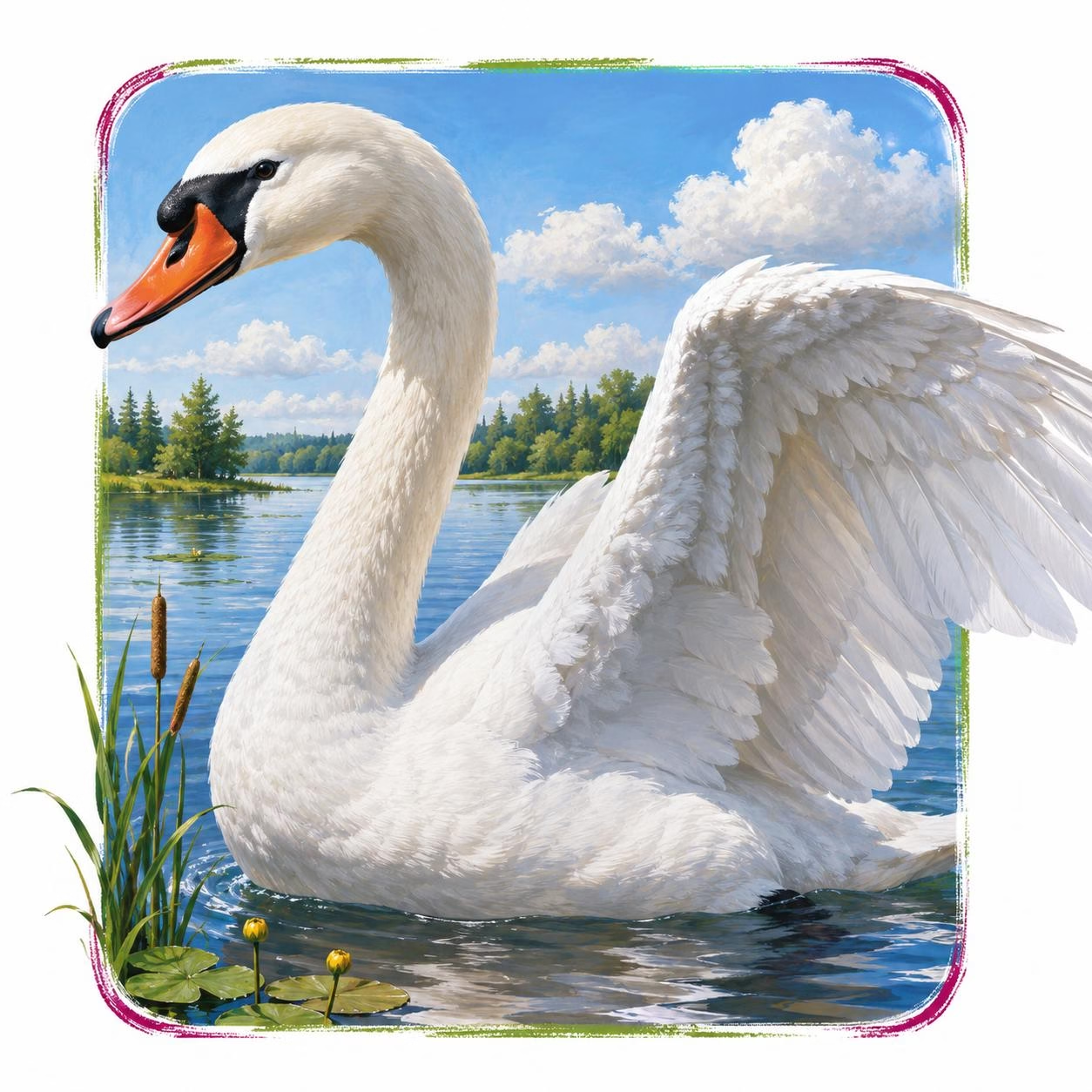
Swan in its natural Lakes habitat