
Termite Facts for Kids
Termites are social insects that live in colonies with different jobs. Many termites eat cellulose from wood, dead plants, grass, or soil materials, and tiny microbes in their bodies help them digest this tough plant food.
Quick Termite Facts
- Animal Type: Insect
- Group: Social insect and termite group within cockroach relatives
- Known For: Colonies, queens, kings, workers, soldiers, wood eating, cellulose digestion, mud tubes, mounds, and winged swarmers
- Habitat: Soil, logs, dead wood, forests, grasslands, savannas, tropical habitats, dry wood, damp wood, underground nests, and human buildings depending on species
- Diet: Cellulose-rich materials such as wood, dead plants, grass, leaf litter, roots, dung, soil organic matter, and fungi depending on species
What You’ll Learn
Discover 10 speedy silverfish facts for kids about silvery scales, long antennae, hiding, food, and ancient insect relatives, with a quiz, glossary, and activity
These simple facts are made for kids, parents, teachers, and curious young learners.
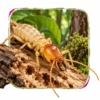
10 Fun Termite Facts for Kids
1. Termites Are Insects
Termites are insects with six legs, three body parts, antennae, and soft bodies.
Kid Decode: A termite is a tiny recycler with a colony badge.
2. Termites Are Social Insects
Termites live in groups called colonies where members have different jobs.
Kid Decode: The colony works like a tiny underground town.
3. Baby Termites Are Nymphs
Young termites are called nymphs and hatch from eggs in the colony.
Kid Decode: A termite nymph is a small worker-in-waiting.
4. Termite Colonies Have Castes
Many colonies include workers, soldiers, and reproductive termites such as kings and queens.
Kid Decode: Everyone has a job in the termite city.
5. Termites Eat Cellulose
Many termites eat cellulose, a tough material found in wood and plants.
Kid Decode: Wood is not candy to us, but termites have special tools for it.
6. Microbes Help Termites Digest Wood
Tiny microbes in termite guts help break down cellulose.
Kid Decode: Inside a termite is a microscopic wood-digesting kitchen.
7. Termite Workers Build and Feed
Worker termites gather food, care for young, build tunnels, and help the colony.
Kid Decode: Workers are the busy builders of the hidden termite world.
8. Termite Soldiers Defend
Soldier termites protect the colony, often with big heads or strong jaws.
Kid Decode: Soldiers are tiny gatekeepers with serious jaw equipment.
9. Some Termites Build Mounds
Some termites build tall mounds or complex nests with tunnels and air flow.
Kid Decode: A termite mound can be a mud skyscraper with secret hallways.
10. Winged Termites Start New Colonies
Some reproductive termites grow wings and leave in swarms to start new colonies.
Kid Decode: Those winged termites are colony founders on a flight mission.
The Weirdest Termite Fact
Termites can digest tough plant material because tiny microbes help turn cellulose into usable food.
Try This Termite Activity
Termite Drawing Activity
Draw a termite colony inside a log or mound. Add workers carrying plant bits, soldiers guarding tunnels, a queen and king chamber, nymphs, eggs, mud tubes, wood layers, fungi, and tiny microbe icons.
Quick Termite Quiz
- What animal group are termites in? Answer: Insects.
- What are baby termites called? Answer: Nymphs.
- What is a termite group home called? Answer: A colony.
- What tough plant material do many termites eat? Answer: Cellulose.
- What termite caste helps defend the colony? Answer: Soldiers.
Mini Glossary
- Insect: An animal with six legs, three body parts, and antennae.
- Nymph: A young insect stage that looks partly like the adult.
- Colony: A group of animals living together.
- Caste: A group in a social insect colony with a special job.
- Cellulose: A tough plant material found in wood, leaves, and stems.
 Sand Dollar Facts for Kids
 Crocodile Facts for Kids
 Butterfly Facts for Kids
 Ceratosaurus Facts for Kids
More Animal Facts for Kids
Visit the full animal facts library or explore a focused animal group.
More Extinct Animal Facts for Kids
Discover dinosaurs, Ice Age giants, prehistoric sea creatures, recently extinct species, and other animals from the past.
Fact check note: Fact checked with Britannica termite resources, Britannica Kids termite resources, and trusted social insect education references.

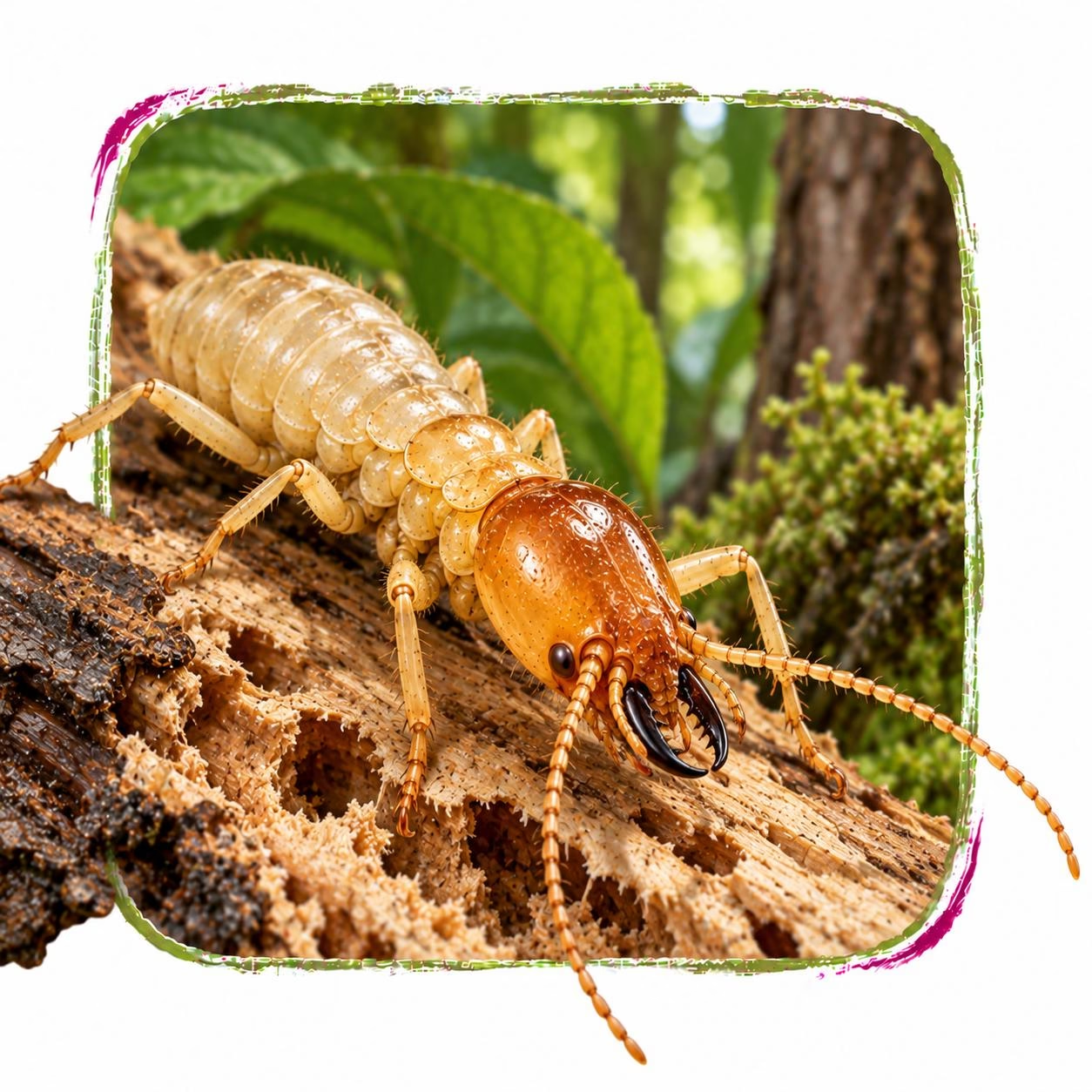
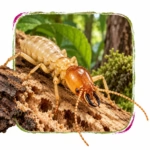
Termite in its natural Forests habitat