
Thorny Devil Facts for Kids
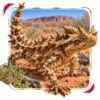
Thorny devils are small spiky lizards from dry parts of Australia. They look fierce with thorny bodies and a pretend head, but they are slow, harmless reptiles that mostly eat ants.
Quick Thorny Devil Facts
- Animal Type: Reptile
- Group: Agamid lizard
- Known For: Spiky body, ant diet, water grooves, and false head
- Habitat: Deserts, sandy plains, spinifex grasslands, scrublands, and arid parts of Australia
- Diet: Mostly ants
What You’ll Learn
Discover 10 prickly thorny devil facts for kids about spines, camouflage, desert life, ants, and amazing ways of collecting water, with a quiz, glossary, and activity
Easy explanations make them fun for children, families, teachers, and little fact-hunters.
10 Fun Thorny Devil Facts for Kids
1. Thorny Devils Are Reptiles
Thorny devils are reptiles with scales, claws, eggs, and body temperatures that change with their surroundings.
Kid Decode: A thorny devil is a tiny desert dragon without the fire.
2. They Live in Australia
Wild thorny devils are found in dry and semi-dry parts of Australia, especially sandy deserts and scrublands.
Kid Decode: Their home is a sun-baked Australian sand world.
3. They Are Covered in Spikes
Thorny devils have many sharp-looking spines that help protect them from hungry predators.
Kid Decode: The spikes make this little lizard look like a walking cactus.
4. Thorny Devils Eat Ants
Thorny devils mostly eat ants. They can sit near ant trails and lap up ants with a sticky tongue.
Kid Decode: Their snack bar is basically an ant highway.
5. They Can Channel Water
Grooves between a thorny devil’s scales can help move water across the skin toward the mouth.
Kid Decode: Their skin works like a tiny desert water slide.
6. They Have a False Head
Thorny devils have a lump behind the real head that can confuse predators.
Kid Decode: It is a fake head for sneaky survival theater.
7. Baby Thorny Devils Are Hatchlings
Baby thorny devils are called hatchlings after they come out of eggs.
Kid Decode: A hatchling thorny devil is a mini spike nugget.
8. Thorny Devils Lay Eggs
Female thorny devils lay eggs in burrows or chambers in the ground, where the eggs stay protected.
Kid Decode: The nursery is hidden under warm desert dirt.
9. They Use Camouflage
Thorny devils can blend with sandy, reddish, brown, or yellow desert colors.
Kid Decode: Camouflage turns them into a lizard-shaped patch of sand.
10. Thorny Devils Need Desert Protection
Thorny devils depend on healthy desert habitats, ant populations, and safe wild spaces.
Kid Decode: Protecting the desert keeps the tiny spike dragons roaming.
The Weirdest Thorny Devil Fact
A thorny devil can move water through grooves in its skin toward its mouth, like a living desert drinking straw.
Try This Thorny Devil Activity
Thorny Devil Drawing Activity
Draw a thorny devil walking across sandy Australian desert. Add spiky scales, a false head, ant trail, water drops moving along skin grooves, spinifex grass, warm rocks, and tiny footprints.
Quick Thorny Devil Quiz
- Where do thorny devils live naturally? Answer: Australia.
- What do thorny devils mostly eat? Answer: Ants.
- What are baby thorny devils called? Answer: Hatchlings.
- What helps protect a thorny devil from predators? Answer: Spikes and camouflage.
- What is the false head used for? Answer: To confuse predators.
Mini Glossary
- Reptile: A cold-blooded animal group that includes lizards, snakes, turtles, crocodiles, and tuataras.
- Hatchling: A baby animal that has just hatched from an egg.
- Camouflage: Colors or patterns that help an animal blend into its surroundings.
- False Head: A body part that looks like a head and may confuse predators.
- Arid: Very dry, with little rainfall.
 Worm Facts for Kids
 Axolotl Facts for Kids
 Armadillo Facts for Kids
 Dire Wolf Facts for Kids
More Animal Facts for Kids
Visit the full animal facts library or explore a focused animal group.
More Extinct Animal Facts for Kids
Discover dinosaurs, Ice Age giants, prehistoric sea creatures, recently extinct species, and other animals from the past.
Fact check note: Fact checked with Australian Museum thorny devil resources, Bush Heritage Australia thorny devil resources, and trusted reptile education references.

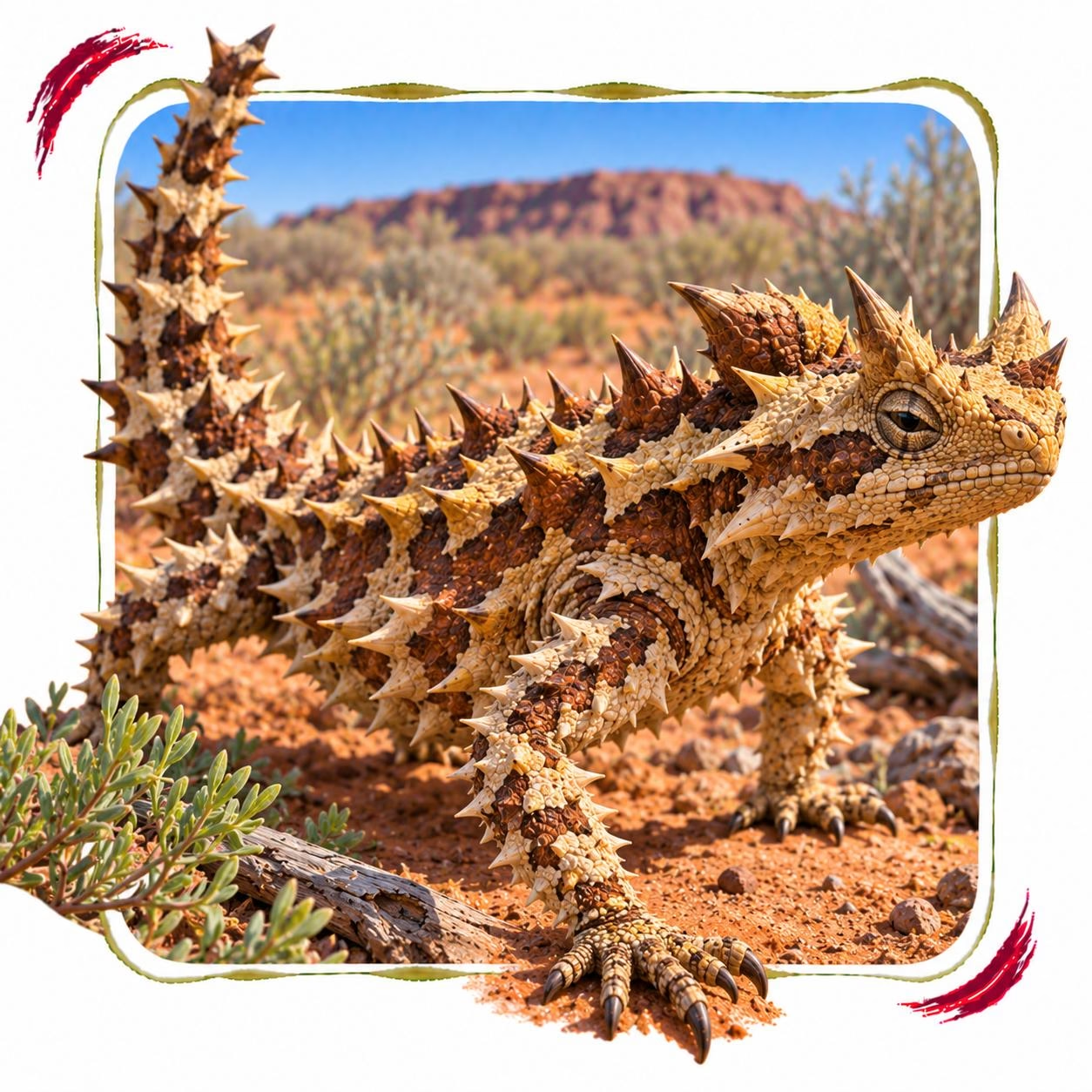
Thorny Devil in its natural Deserts habitat