
Trout Facts for Kids
Trout are salmon-family fish often found in cool, clean streams, rivers, and lakes. Many have spotted bodies, need oxygen-rich water, and feed on insects, small fish, crustaceans, and other watery snacks.
Quick Trout Facts
- Animal Type: Fish
- Group: Salmonid and trout group
- Known For: Cool-water habitats, spotted bodies, fry, alevins, parr marks, insects, fast streams, clean water, and salmon-family relatives
- Habitat: Cold streams, clear rivers, mountain lakes, spring-fed creeks, rocky pools, shaded waterways, and some sea-running habitats depending on species
- Diet: Aquatic insects, mayflies, caddisflies, stoneflies, worms, crustaceans, small fish, eggs, and other small water animals
What You’ll Learn
Learn 10 amazing salmon facts for kids about river journeys, ocean life, jumping waterfalls, spawning, and remarkable navigation, plus a quiz, glossary, and activity
Simple explanations make them great for children, families, teachers, and young nature explorers.
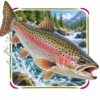
10 Fun Trout Facts for Kids
1. Trout Are Fish
Trout are fish, so they have gills, fins, and live in water.
Kid Decode: A trout is a spotted cool-water swimmer with quick turns.
2. They Are Salmon Relatives
Trout belong to the salmon family, called Salmonidae.
Kid Decode: They are cousins in the same chilly-water fish clan.
3. Trout Begin as Eggs
Trout often begin life as eggs laid in gravel nests in clean water.
Kid Decode: The gravel nest is a tiny underwater nursery.
4. Baby Trout Become Alevins
Newly hatched trout may be called alevins while they use food from a yolk sac.
Kid Decode: An alevin carries its first meals like a little belly backpack.
5. Young Trout Are Fry
After the yolk sac is used, young trout are called fry.
Kid Decode: A trout fry is a tiny fish learning the current.
6. Young Trout May Have Parr Marks
Some young trout have dark vertical marks called parr marks that help camouflage them.
Kid Decode: Parr marks are baby-fish shadow stripes.
7. Many Trout Like Cool Water
Trout often need cold, clean, oxygen-rich water to stay healthy.
Kid Decode: They are picky about water the way dragons are picky about treasure.
8. They Eat Aquatic Insects
Trout feed on mayflies, caddisflies, stoneflies, and other water insects.
Kid Decode: For trout, bug season is dinner season.
9. They Use Spots for Camouflage
Spots and patterns can help trout blend with gravel, shadows, and rippling water.
Kid Decode: A hidden trout can look like the stream grew freckles.
10. Some Trout Migrate
Some trout, such as steelhead, can migrate between rivers and the ocean.
Kid Decode: Not every trout stays on one tiny stream street.
The Weirdest Trout Fact
Young trout can wear parr marks, which are dark baby-fish stripes that help them hide in streams.
Try This Trout Activity
Trout Drawing Activity
Draw a trout in a cool mountain stream. Add spotted body, gills, fins, gravel eggs, alevin with yolk sac, fry with parr marks, mayflies, caddisflies, rocks, oxygen bubbles, shade trees, and clean-water arrows.
Quick Trout Quiz
- What animal group are trout in? Answer: Fish.
- What family are trout part of? Answer: The salmon family, Salmonidae.
- What young trout stage has a yolk sac? Answer: Alevin.
- What are young fish called after they begin feeding? Answer: Fry.
- What kind of water do many trout need? Answer: Cool, clean, oxygen-rich water.
Mini Glossary
- Fish: A water-living animal that usually has gills and fins.
- Alevin: A newly hatched salmonid with a yolk sac.
- Fry: A young fish after it begins swimming and feeding.
- Parr Marks: Dark vertical marks on some young salmon and trout.
- Salmonidae: The fish family that includes salmon, trout, char, grayling, and whitefish.
 Crested Gecko Facts for Kids
 Auk Facts for Kids
 Eland Facts for Kids
 Megatherium Facts for Kids
More Animal Facts for Kids
Visit the full animal facts library or explore a focused animal group.
More Extinct Animal Facts for Kids
Discover dinosaurs, Ice Age giants, prehistoric sea creatures, recently extinct species, and other animals from the past.
Fact check note: Fact checked with Britannica trout resources, Smithsonian salmonid references, and trusted freshwater fish education sources.

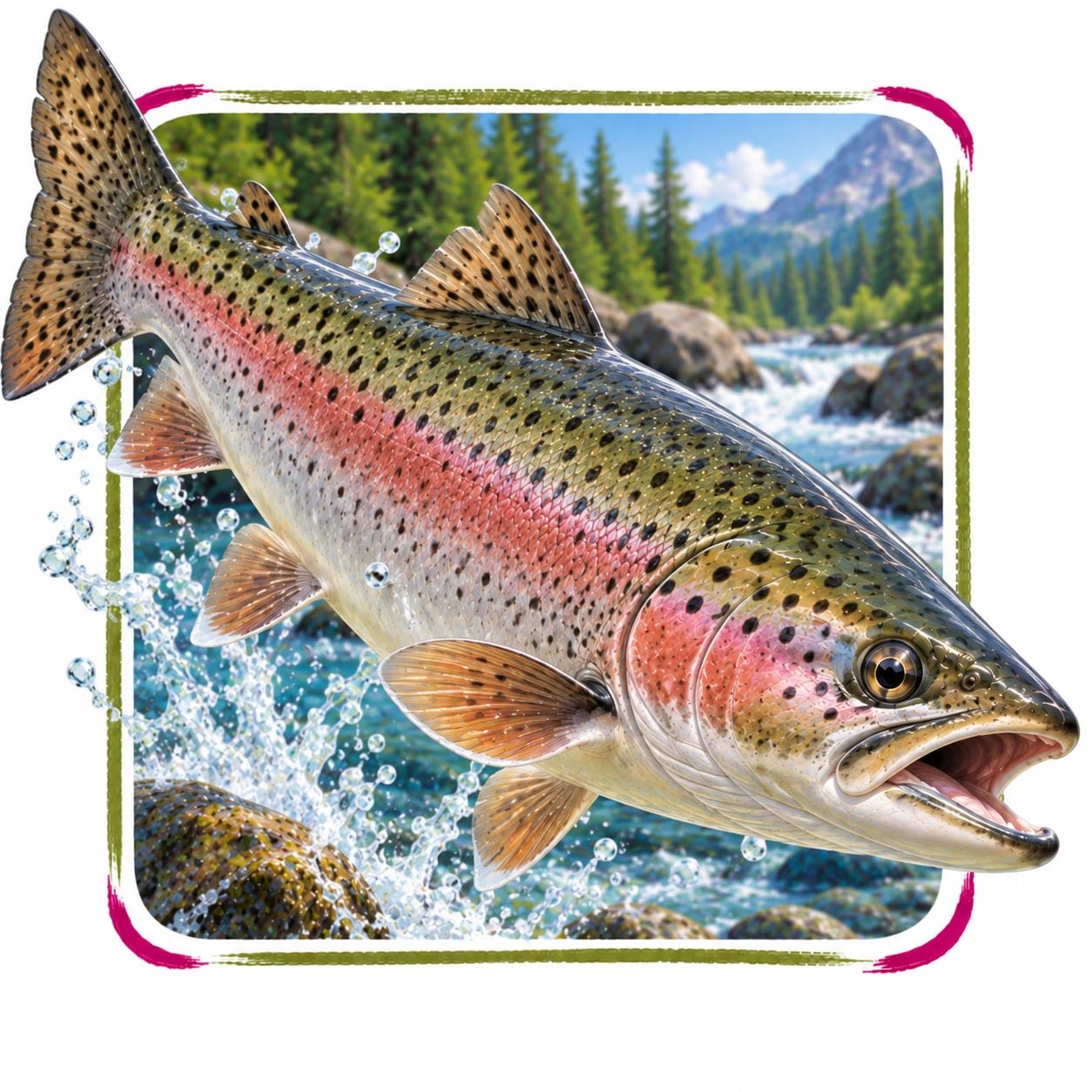
Trout in its natural Rivers habitat