
Viper Facts for Kids
Vipers are venomous snakes known for long hinged fangs that fold back when not in use. This group includes many famous snakes, such as adders, rattlesnakes, copperheads, puff adders, and other vipers from many habitats around the world.
Quick Viper Facts
- Animal Type: Reptile
- Group: Viper family Viperidae
- Known For: Hinged hollow fangs, venom, triangular-looking heads in many species, pit viper heat sensors, camouflage, live birth in many species, and careful-distance safety
- Habitat: Forests, deserts, grasslands, rocky slopes, wetlands, mountains, rainforests, farms, scrublands, and warm or temperate habitats depending on species
- Diet: Mice, rats, lizards, frogs, birds, small mammals, insects, and other small animals depending on species and size
What You’ll Learn
Discover 10 fascinating mamba facts for kids about slender bodies, speed, climbing, venom, and African habitats, with a quiz, glossary, and activity
These easy facts are made for kids, parents, teachers, and curious young learners.

10 Fun Viper Facts for Kids
1. Vipers Are Reptiles
Vipers are reptiles, so they have scales, breathe air, and depend on outside warmth.
Kid Decode: A viper is a snake with foldaway fang machinery.
2. They Are Venomous Snakes
Vipers use venom to catch prey and defend themselves, so wild vipers should never be touched.
Kid Decode: The smart human move is distance, not bravery.
3. Baby Vipers Can Be Neonates or Hatchlings
Many vipers give birth to live young called neonates, while some species lay eggs that hatch.
Kid Decode: Viper babies arrive in different ways depending on the species.
4. They Have Hinged Fangs
Vipers have long hollow fangs that can fold back against the roof of the mouth.
Kid Decode: Those fangs are like tiny folding needles, which is both amazing and a solid reason to stay back.
5. Vipers Strike Quickly
Vipers can strike fast when catching prey or defending themselves.
Kid Decode: The strike is quick because the snake wants the danger to end fast.
6. Pit Vipers Sense Heat
Pit vipers have heat-sensing pits between the eyes and nostrils.
Kid Decode: Those pits help them notice warm prey in the dark.
7. Many Vipers Use Camouflage
Vipers often blend with leaves, sand, rocks, bark, or forest floors.
Kid Decode: Some look like the ground suddenly learned to blink.
8. Some Vipers Rattle
Rattlesnakes are pit vipers with tail rattles that warn other animals to stay away.
Kid Decode: The rattle is a built-in “please leave me alone” alarm.
9. Vipers Help Control Rodents
Many vipers eat mice and rats, helping balance small mammal populations.
Kid Decode: They are dangerous to handle, but useful in the food web.
10. Vipers Need Respectful Space
Vipers should be admired only from a safe distance, and local wildlife experts should handle snake problems.
Kid Decode: Nature’s fang specialists do best when humans step aside.
The Weirdest Viper Fact
A viper’s long fangs can fold back when the snake closes its mouth, like sharp tools stored safely away.
Try This Viper Activity
Viper Drawing Activity
Draw a viper from a safe distance in its habitat. Add folded fang diagram, heat-sensing pit labels, camouflage leaf pattern, neonates, eggs for egg-laying species, mouse prey, rocks, warning posture, and a “watch from far away” safety sign.
Quick Viper Quiz
- What animal group are vipers in? Answer: Reptiles.
- Are vipers venomous? Answer: Yes.
- What special fangs do vipers have? Answer: Long hinged hollow fangs.
- What do pit vipers use to sense heat? Answer: Heat-sensing pits.
- Should people touch wild vipers? Answer: No, never touch or approach them.
Mini Glossary
- Reptile: An animal group with scales that breathes air and often lays eggs, though some give live birth.
- Neonate: A newly born or newly hatched baby animal.
- Venom: A toxin an animal can deliver by biting or stinging.
- Hinged Fang: A long fang that folds back when not in use.
- Pit Organ: A heat-sensing organ found in pit vipers.
 Stag Beetle Facts for Kids
 Goby Facts for Kids
 Panda Facts for Kids
 Megaloceros Facts for Kids
More Animal Facts for Kids
Visit the full animal facts library or explore a focused animal group.
More Extinct Animal Facts for Kids
Discover dinosaurs, Ice Age giants, prehistoric sea creatures, recently extinct species, and other animals from the past.
Fact check note: Fact checked with Britannica viper resources, Britannica Kids viper resources, Britannica pit viper resources, and trusted reptile safety education references.

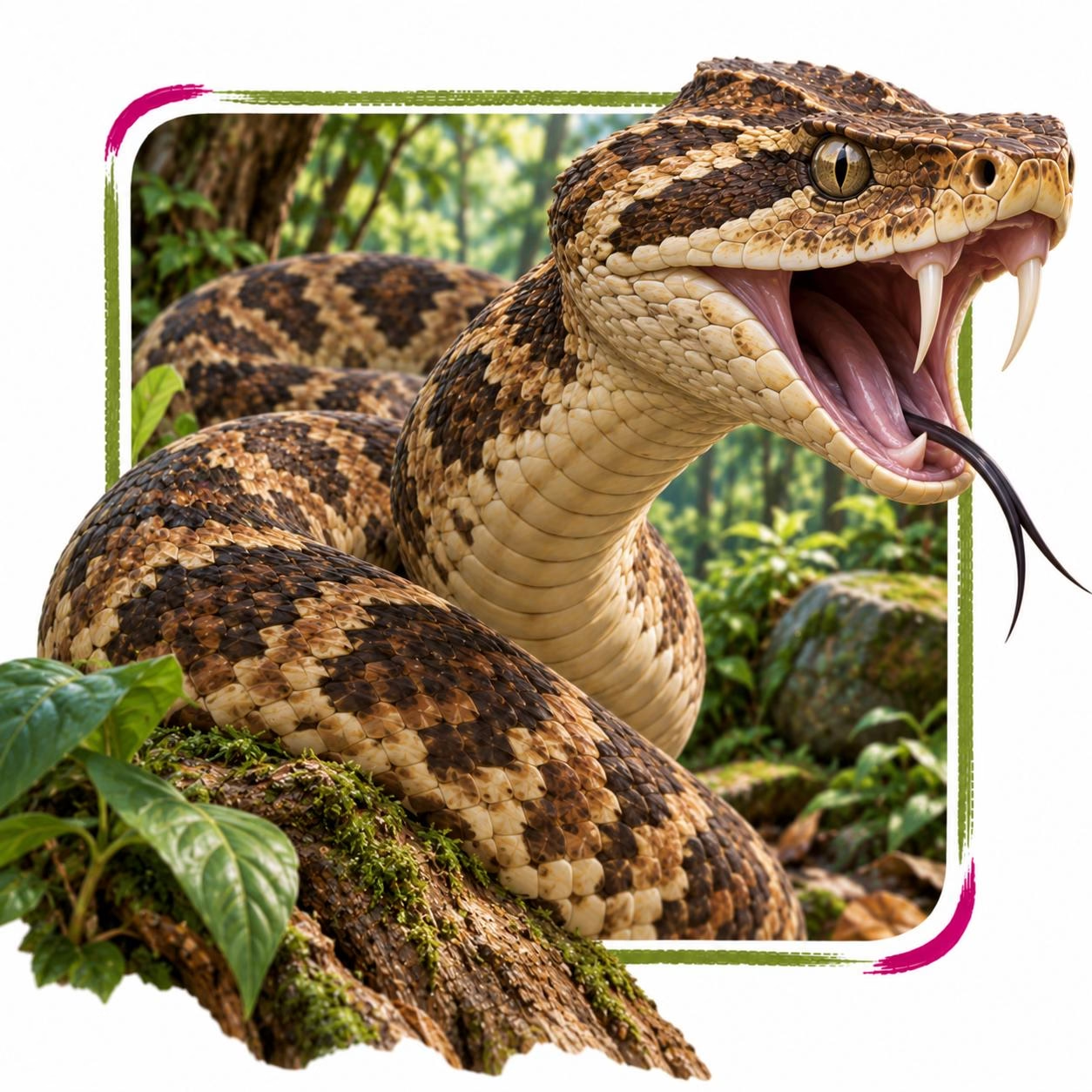
Viper in its natural Forests habitat