
Walrus Facts for Kids
Walruses are huge Arctic marine mammals with long tusks, thick blubber, wrinkly skin, stiff whiskers, and flippers. They spend time in cold seas and haul out on ice or beaches to rest.
Quick Walrus Facts
- Animal Type: Mammal
- Group: Pinniped
- Known For: Tusks, whiskers, and blubber
- Habitat: Arctic seas, shallow coastal waters, sea ice, and beaches
- Diet: Clams, mussels, worms, snails, shrimp, and other sea-floor animals
What You’ll Learn
Learn 10 fun walrus facts for kids with simple explanations, kid facts, quiz, glossary, and a walrus activity.
These walrus facts for kids are written in a simple way for kids, parents, teachers, and curious little fact-hunters.
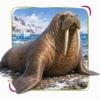
10 Fun Walrus Facts for Kids
1. Walruses Are Pinnipeds
Walruses are pinnipeds, which means they are flipper-footed marine mammals related to seals and sea lions.
Kid Decode: A walrus is the giant mustached cousin at the pinniped party.
2. Both Male and Female Walruses Have Tusks
Walrus tusks are long upper canine teeth. Both males and females have them, though males often have larger tusks.
Kid Decode: Walrus tusks are teeth that decided to become dramatic.
3. Walruses Have Sensitive Whiskers
A walrus has stiff whiskers called vibrissae. These whiskers help it feel around the seafloor and find food.
Kid Decode: Walrus whiskers are underwater food-finding brushes.
4. Walruses Eat Clams and Mussels
Walruses often feed on clams, mussels, worms, and other animals living on or in the ocean floor.
Kid Decode: A walrus goes grocery shopping on the seafloor.
5. Walruses Have Thick Blubber
Blubber is a thick fat layer that helps walruses stay warm in freezing Arctic water.
Kid Decode: Blubber is a walrus winter coat under the skin.
6. Baby Walruses Are Called Pups
A baby walrus is called a pup. Walrus pups stay close to their mothers and may nurse for a long time.
Kid Decode: A walrus pup is a big baby with tiny tusk dreams.
7. Walruses Rest on Ice or Beaches
Walruses haul out of the water onto sea ice or beaches to rest, warm up, and gather with others.
Kid Decode: A walrus beach crowd is a giant floppy nap club.
8. Walruses Can Use All Four Flippers on Land
Walruses can turn their hind flippers forward and crawl using all four limbs, which helps them move on land or ice.
Kid Decode: Walruses have a four-flipper shuffle.
9. Walruses Live in Groups
Walruses are social animals and can gather in groups, sometimes with many walruses resting close together.
Kid Decode: A walrus group is a whiskery pile-up of neighbors.
10. Walruses Need Sea Ice
Walruses use sea ice for resting and access to feeding areas. Changes in Arctic ice can affect their lives.
Kid Decode: Protecting Arctic ice helps protect the tusked giants.
The Weirdest Walrus Fact
Walrus tusks are actually long canine teeth, and both males and females can have them.
Try This Walrus Activity
Walrus Drawing Activity
Draw a walrus resting on Arctic ice. Add long tusks, stiff whiskers, flippers, wrinkly skin, blue water, clams, and a pup nearby.
Quick Walrus Quiz
- Are walruses mammals? Answer: Yes.
- What are walrus tusks made from? Answer: Long canine teeth.
- What is a baby walrus called? Answer: A pup.
- What do walruses use whiskers for? Answer: Finding food on the seafloor.
- What fat layer keeps walruses warm? Answer: Blubber.
Mini Glossary
- Pinniped: A flipper-footed marine mammal.
- Tusks: Long teeth that grow outside the mouth.
- Vibrissae: Sensitive whiskers used for feeling.
- Blubber: A thick fat layer that keeps marine mammals warm.
- Haul Out: To come out of the water onto land or ice.


More Animal Facts for Kids
Visit the full animal facts library or explore a focused animal group.
More Extinct Animal Facts for Kids
Discover dinosaurs, Ice Age giants, prehistoric sea creatures, recently extinct species, and other animals from the past.
Fact check note: Fact checked with Britannica walrus resources, Britannica Kids walrus resources, and trusted Arctic marine mammal education references.
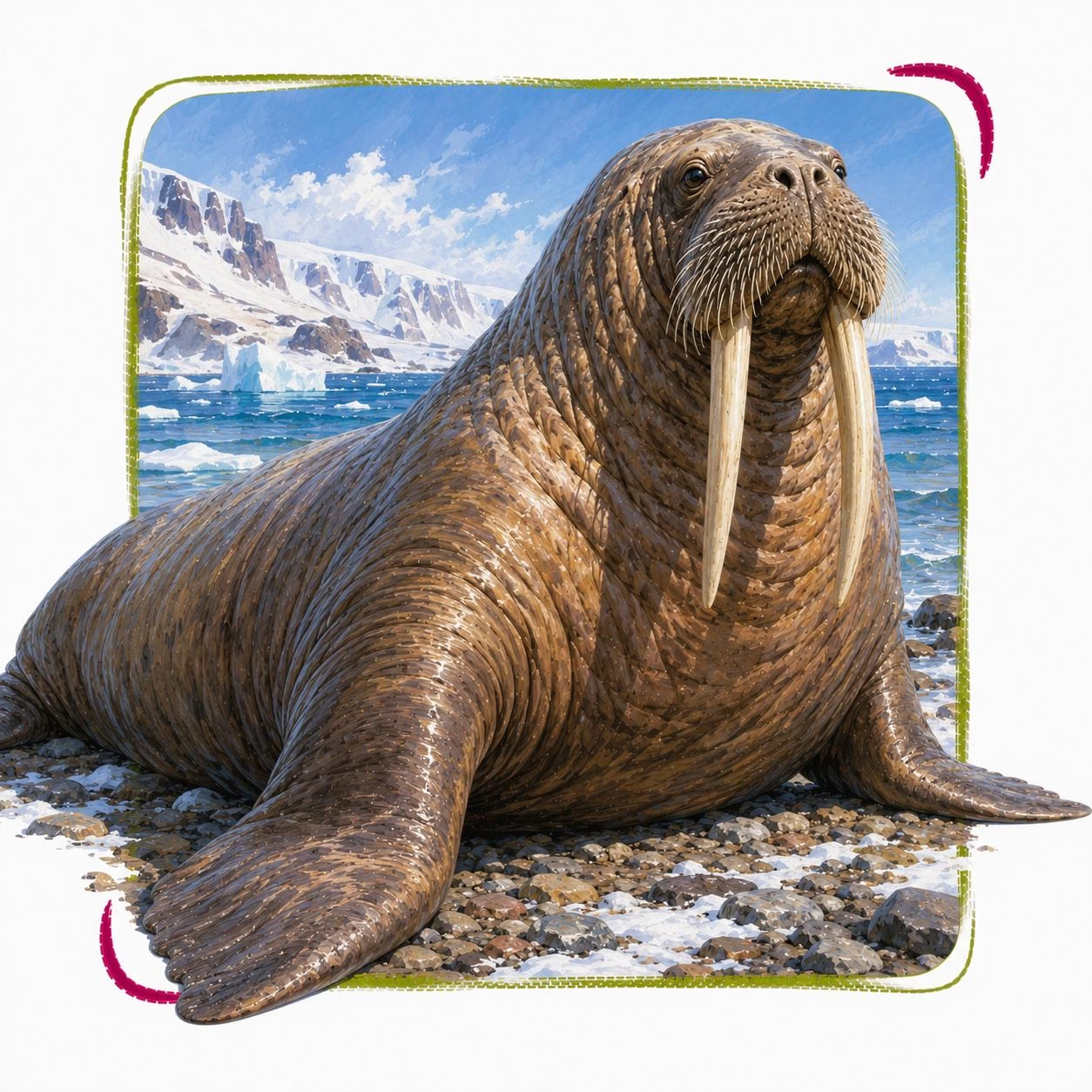
Walrus in its natural Arctic Coasts habitat