
Water Strider Facts for Kids
Water striders are insects that seem to skate across the surface of ponds, streams, and quiet water. Their long water-repelling legs spread out their weight and use surface tension to keep them from sinking.
Quick Water Strider Facts
- Animal Type: Insect
- Group: True bug and water strider family
- Known For: Walking on water, long hydrophobic legs, surface tension, ripple sensing, pond hunting, and quick skating movement
- Habitat: Ponds, lakes, streams, marshes, puddles, slow rivers, quiet pools, wetland edges, and calm freshwater surfaces depending on species
- Diet: Small insects, flies, mosquitoes, tiny invertebrates, trapped bugs, and other small animals that fall onto the water surface
What You’ll Learn
Discover 10 delicate lacewing facts for kids about transparent wings, golden eyes, insect-eating larvae, gardens, and life cycles, plus a quiz, glossary, and activity
Easy explanations make them great for children, families, teachers, and young nature lovers.
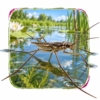
10 Fun Water Strider Facts for Kids
1. Water Striders Are Insects
Water striders are insects with six legs, three body parts, antennae, and piercing-sucking mouthparts.
Kid Decode: A water strider is a tiny pond skater with leggy balance magic.
2. Water Striders Are True Bugs
Water striders belong to the true bug group, which includes insects with beak-like mouthparts.
Kid Decode: They are pond bugs with sipping tools for tiny prey.
3. Baby Water Striders Are Nymphs
Young water striders are called nymphs and look like smaller versions of adults.
Kid Decode: A water strider nymph is a little pond skater in training.
4. Water Striders Use Surface Tension
Water striders stay on top of water because surface tension acts like a stretchy skin.
Kid Decode: The pond surface becomes their invisible sidewalk.
5. Water Striders Have Water-Repelling Legs
Their legs are covered with tiny hairs and waxy surfaces that help repel water.
Kid Decode: Those legs are built-in no-sink stilts.
6. Water Striders Sense Ripples
Water striders can feel ripples made by insects trapped on the water surface.
Kid Decode: Ripples are their tiny dinner doorbells.
7. Water Striders Eat Small Insects
Water striders catch flies, mosquitoes, and other small animals that land on the water.
Kid Decode: They patrol the pond like snack detectives.
8. Water Striders Can Move Fast
They row, skate, and dart across the surface using long middle and hind legs.
Kid Decode: One quick push and the bug becomes a pond arrow.
9. Water Striders Lay Eggs Near Water
Female water striders lay eggs on plants, rocks, or objects near or in water.
Kid Decode: The next generation begins right beside the skating rink.
10. Water Striders Need Clean Ponds
Water striders need calm water surfaces, small prey, plants, and healthy wetland habitats.
Kid Decode: Protecting ponds keeps the tiny skaters gliding.
The Weirdest Water Strider Fact
A water strider can stand on water because its water-repelling legs and surface tension hold it up.
Try This Water Strider Activity
Water Strider Drawing Activity
Draw a water strider skating across a pond. Add long legs pressing tiny dimples into water, ripple circles, nymphs, eggs on pond plants, trapped flies, mosquito prey, lily pads, reflections, and a calm wetland background.
Quick Water Strider Quiz
- What animal group are water striders in? Answer: Insects.
- What are baby water striders called? Answer: Nymphs.
- What helps water striders stay on top of water? Answer: Surface tension and water-repelling legs.
- What do water striders feel to find prey? Answer: Ripples on the water surface.
- What do water striders eat? Answer: Small insects and other tiny animals on the water surface.
Mini Glossary
- Insect: An animal with six legs, three body parts, and antennae.
- Nymph: A young insect stage that looks partly like the adult.
- Surface Tension: A force that makes the surface of water act a bit like a stretchy skin.
- Hydrophobic: Water-repelling.
- Ripple: A small wave on the surface of water.
 Pelican Facts for Kids
 Walrus Facts for Kids
 Saola Facts for Kids
 Bachman's Warbler Facts for Kids
More Animal Facts for Kids
Visit the full animal facts library or explore a focused animal group.
More Extinct Animal Facts for Kids
Discover dinosaurs, Ice Age giants, prehistoric sea creatures, recently extinct species, and other animals from the past.
Fact check note: Fact checked with Britannica water strider resources, USGS surface tension resources, and trusted freshwater insect education references.

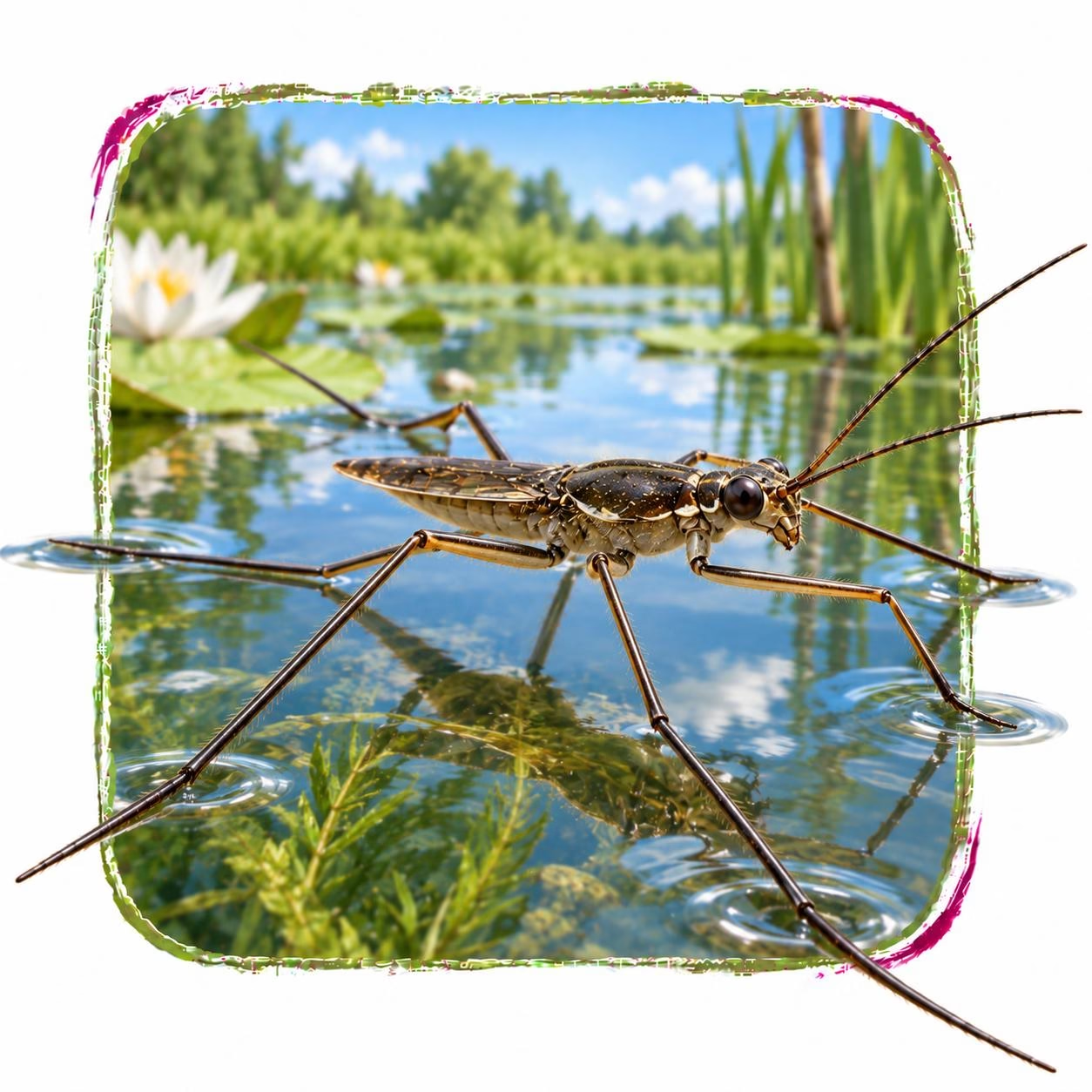
Water Strider in its natural Ponds habitat