
Wolf Facts for Kids
Wolves are wild members of the dog family known for packs, howling, sharp senses, and teamwork. They can live in forests, tundra, mountains, grasslands, and other wild places across the Northern Hemisphere.
Quick Wolf Facts
- Animal Type: Mammal
- Group: Dog family
- Known For: Packs and howling
- Habitat: Forests, tundra, mountains, grasslands, and wild regions
- Diet: Deer, elk, moose, smaller mammals, and other available prey
What You’ll Learn
Learn 10 wild wolf facts for kids about packs, howling, hunting, communication, and family life, plus a quiz, glossary, and wolf activity
These facts are written simply for kids, parents, teachers, and curious young animal explorers.
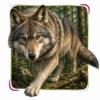
10 Fun Wolf Facts for Kids
1. Wolves Belong to the Dog Family
Wolves are canids, which means they are related to dogs, coyotes, foxes, and jackals. The gray wolf is the largest wild member of the dog family.
Kid Decode: A wolf is a wild cousin in the dog family.
2. Wolves Live in Packs
Wolves are social animals that often live in family groups called packs. Pack members work together, travel together, and care for pups.
Kid Decode: A wolf pack is a family team with paws.
3. Wolves Communicate by Howling
Wolves howl to communicate across long distances, gather the pack, and warn other wolves about territory.
Kid Decode: Wolf howls are wild long-distance messages.
4. Wolves Do Not Howl at the Moon
Wolves may howl at night, but they are not howling at the moon. They howl to communicate with other wolves.
Kid Decode: The moon gets the drama, but the message is for wolves.
5. Baby Wolves Are Called Pups
Baby wolves are called pups. Pups are born in dens and depend on adult wolves for food and protection.
Kid Decode: A wolf pup starts life as a tiny den explorer.
6. Wolves Have Strong Senses
Wolves have sharp hearing, strong smell, and good eyesight. These senses help them find prey and understand their surroundings.
Kid Decode: A wolf nose can read the forest like a map.
7. Wolves Often Hunt in Groups
Wolves may hunt together, especially when chasing large animals like deer, elk, or moose. Teamwork can help them catch food.
Kid Decode: Wolves are teamwork hunters of the wild.
8. Wolves Use Dens for Pups
Wolf parents use dens to protect young pups. Dens may be dug in the ground or found in natural shelters.
Kid Decode: A wolf den is a hidden nursery in the wild.
9. Wolves Have Territories
Wolf packs often have territories that they mark and defend. Howling and scent marking can help show other wolves where the pack lives.
Kid Decode: Wolves draw invisible borders with scent and sound.
10. Wolves Help Ecosystems
As predators, wolves can help keep prey populations balanced and remove weak or sick animals from herds.
Kid Decode: Wolves are part of nature’s balance crew.
The Weirdest Wolf Fact
Wolves do not howl at the moon. They howl to communicate with other wolves, even if the moon makes the scene look extra dramatic.
Try This Wolf Activity
Wolf Drawing Activity
Draw a wolf standing on a snowy hill. Add pointed ears, thick fur, paw prints, pine trees, a den nearby, and a few wolf pups playing.
Quick Wolf Quiz
- What animal family do wolves belong to? Answer: The dog family.
- What is a group of wolves called? Answer: A pack.
- What are baby wolves called? Answer: Pups.
- Do wolves howl at the moon? Answer: No, they howl to communicate.
- What do wolves often hunt? Answer: Deer, elk, moose, and other prey.
Mini Glossary
- Canid: A member of the dog family.
- Pack: A social group of wolves.
- Pup: A baby wolf.
- Territory: An area an animal or group uses and defends.
- Predator: An animal that hunts other animals.

 Thomson's Gazelle Facts for Kids
 Crow Facts for Kids
 Sea Otter Facts for Kids
 Alioramus Facts for Kids
More Animal Facts for Kids
Visit the full animal facts library or explore a focused animal group.
More Extinct Animal Facts for Kids
Discover dinosaurs, Ice Age giants, prehistoric sea creatures, recently extinct species, and other animals from the past.
Fact check note: Fact checked with Britannica Kids wolf resources, Britannica wolf resources, Britannica gray wolf resources, and trusted wildlife education references.

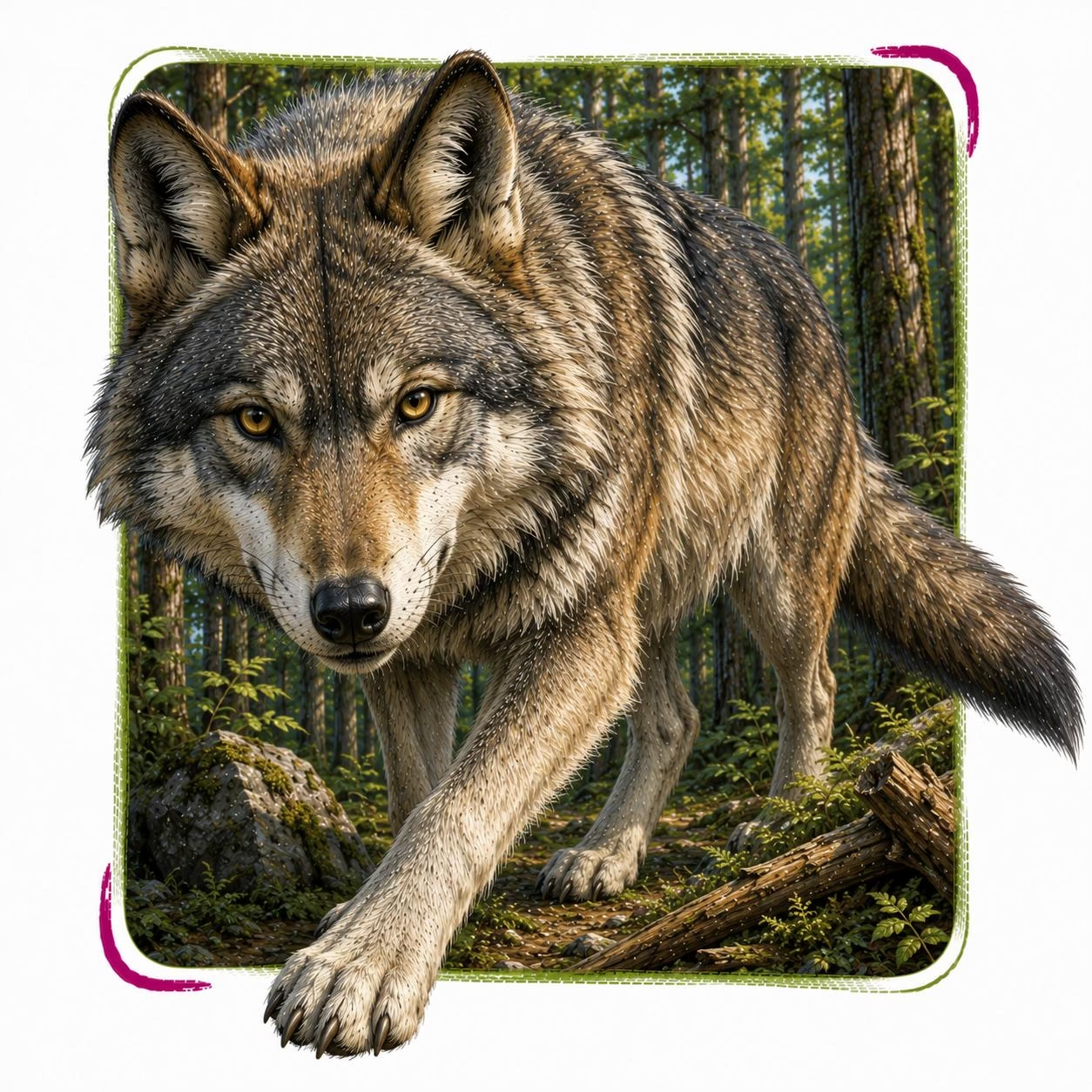
Wolf in its natural Forests habitat