
Wrasse Facts for Kids
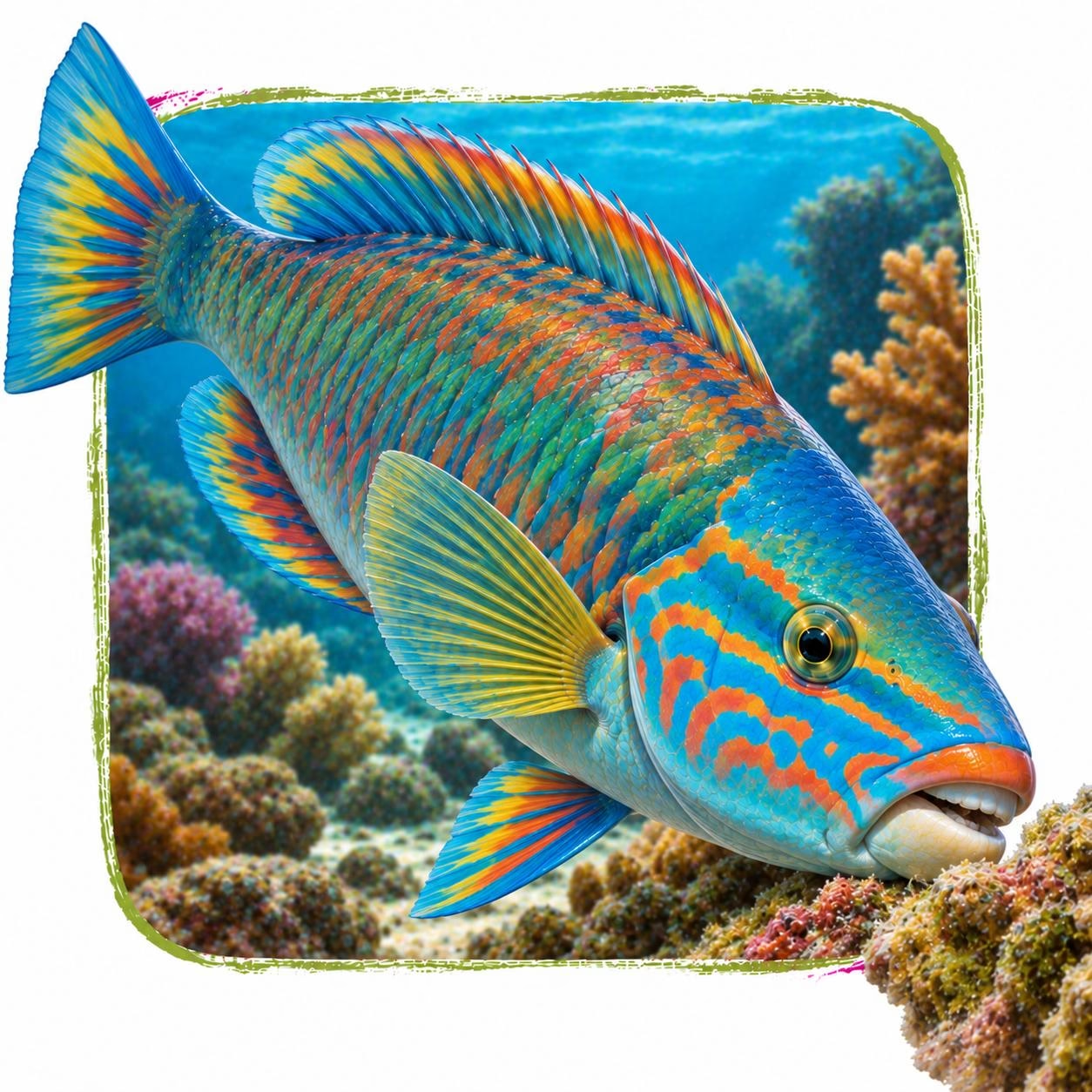
Wrasses are a large group of colorful marine fish often found on coral reefs and rocky reefs. Many wrasses have thick lips, strong front teeth, bright patterns, and busy reef lives full of hunting, cleaning, hiding, and quick swimming.
Quick Wrasse Facts
- Animal Type: Fish
- Group: Wrasse family and marine reef fish
- Known For: Thick lips, bright colors, strong teeth, cleaner wrasses, reef life, sand hiding, and color changes
- Habitat: Coral reefs, rocky reefs, lagoons, seagrass beds, kelp areas, tropical seas, temperate seas, and coastal marine habitats depending on species
- Diet: Small crustaceans, worms, snails, clams, fish parasites, fish eggs, tiny invertebrates, algae, and other reef foods depending on species
What You’ll Learn
Discover 10 colorful wrasse facts for kids about reef life, unusual lips, cleaning behavior, bright patterns, and changing sex, with a quiz, glossary, and activity
These facts are explained simply for kids, parents, teachers, and curious little fact-finders.
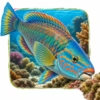
10 Fun Wrasse Facts for Kids
1. Wrasses Are Fish
Wrasses are fish with gills, fins, scales, and bodies made for ocean life.
Kid Decode: A wrasse is a reef fish with colorful swagger and busy lips.
2. Wrasses Are Reef Fish
Many wrasses live around coral reefs or rocky reefs where they search for food and shelter.
Kid Decode: Their neighborhood is full of coral corners and snack cracks.
3. Baby Wrasses Are Fry
Baby wrasses are called fry after they hatch and begin growing.
Kid Decode: A wrasse fry is a tiny speck with future reef colors waiting.
4. Wrasses Often Have Thick Lips
Wrasses are known for thick lips and strong teeth in the front of the jaw.
Kid Decode: Those lips help give wrasses their very memorable fish face.
5. Some Wrasses Are Cleaner Fish
Cleaner wrasses pick tiny parasites and dead skin from larger fish at cleaning stations.
Kid Decode: They run the reef’s tiniest spa service.
6. Wrasses Can Be Very Colorful
Many wrasses have bright stripes, spots, blues, greens, reds, yellows, or purples.
Kid Decode: Some look like they swam through a paint festival.
7. Some Wrasses Sleep in Sand
Some wrasses dive into sand at night to hide and rest.
Kid Decode: Bedtime can mean disappearing into the seafloor.
8. Some Wrasses Change Sex
In some wrasse species, individuals can change from female to male during life.
Kid Decode: Wrasse life can include a surprising biology plot twist.
9. Wrasses Eat Small Reef Animals
Many wrasses eat worms, crustaceans, snails, small clams, and other tiny animals.
Kid Decode: Their menu is full of crunchy reef crumbs.
10. Wrasses Need Healthy Reefs
Wrasses depend on clean seas, safe reefs, hiding places, and balanced food webs.
Kid Decode: Protecting reefs keeps these colorful cleaners and hunters swimming.
The Weirdest Wrasse Fact
Some wrasses act like fish cleaners, and other fish line up to have tiny parasites picked off.
Try This Wrasse Activity
Wrasse Drawing Activity
Draw a colorful wrasse at a reef cleaning station. Add thick lips, bright stripes, strong teeth, tiny fry, a larger fish waiting to be cleaned, parasite dots, sand hiding spot, coral, rocks, and bubbles.
Quick Wrasse Quiz
- What animal group are wrasses in? Answer: Fish.
- What are baby wrasses called? Answer: Fry.
- What are many wrasses known for on the face? Answer: Thick lips and strong teeth.
- What do cleaner wrasses remove from other fish? Answer: Tiny parasites and dead skin.
- Where do many wrasses live? Answer: Coral reefs and rocky reefs.
Mini Glossary
- Fish: A water-living animal that usually has gills and fins.
- Fry: A young fish after it hatches.
- Cleaner Fish: A fish that removes parasites or dead skin from other animals.
- Parasite: A living thing that feeds on another living thing.
- Reef: An underwater ridge or habitat often built by corals.
 Iberian Lynx Facts for Kids
 Egret Facts for Kids
 Uakari Facts for Kids
 Minmi Facts for Kids
More Animal Facts for Kids
Visit the full animal facts library or explore a focused animal group.
More Extinct Animal Facts for Kids
Discover dinosaurs, Ice Age giants, prehistoric sea creatures, recently extinct species, and other animals from the past.
Fact check note: Fact checked with Britannica wrasse resources, Britannica cleaner fish resources, FishBase cleaner wrasse resources, and trusted coral reef fish education references.

Wrasse in its natural Coral Reefs habitat