
Yellow Jacket Facts for Kids
Yellow jacket, also written yellowjacket, is a North American common name for compact social wasps mainly in the genera Vespula and Dolichovespula. Most familiar species have bold yellow-and-black patterns, but some are black and white or carry different markings. They live in colonies with a queen, female workers, males, and developing young inside layered paper nests. Some species nest underground or in cavities, while others build enclosed aerial nests. Yellow jackets hunt insects, scavenge animal food, drink nectar and other sugary liquids, visit flowers, and defend their nests with repeated stings. Species, climate, nest site, colony size, diet, colour, and seasonal cycle vary, so one description does not fit every yellow jacket.
Quick Yellow Jacket Facts
- Animal Type: Insect and social wasp
- Group: Mainly Vespula and Dolichovespula in the family Vespidae
- Known For: Paper nests, queens and workers, insect hunting, scavenging, flower visits, alarm pheromones, and repeated defensive stings
- Habitat: Woodlands, meadows, gardens, farms, parks, towns, underground cavities, hollow trees, walls, roof spaces, shrubs, and branches depending on species
- Diet: Adults use nectar, fruit juices, honeydew, and other sugars; larvae receive chewed insects, meat, or other protein-rich food depending on species
What You’ll Learn
Explore 10 buzzing yellow jacket facts for kids about social colonies, paper nests, hunting insects, warning colors, and stings, with a quiz, glossary, activity, and simple safety tips
These easy facts are made for kids, parents, teachers, and curious young learners.
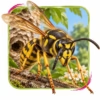
10 Fun Yellow Jacket Facts for Kids
1. Yellow Jacket Is a Group Name
In North America, yellow jacket usually refers to social wasps in Vespula and Dolichovespula. Some Dolichovespula species are commonly called hornets, including the black-and-white bald-faced hornet, even though they are not members of the true-hornet genus Vespa.
Kid Decode: One buzzing name covers underground builders, tree-nest architects, and even a hornet that is not a true hornet.
2. They Are Wasps, Not Bees
Yellow jackets usually have smooth, compact bodies, a narrow waist, six legs, two antennae, large compound eyes, and two pairs of wings. Bees are generally hairier and collect pollen differently, while flies have only one functional pair of wings.
Kid Decode: The striped suit may look bee-like, but the body underneath belongs to a wasp.
3. A Queen Starts the Colony
In many temperate species, a mated queen survives winter in a protected shelter and begins a new nest in spring. Her first daughters become workers that enlarge the nest, gather food, defend the colony, and care for later broods.
Kid Decode: One winter survivor grows into the founder of a paper city.
4. Chewed Wood Becomes Paper
Workers scrape weathered wood and plant fibres, chew them with saliva, and spread the pulp into thin nest walls and combs. The finished paper can form layers around stacked cells, but nest shape and colour differ among species.
Kid Decode: Tiny jaws turn an old fence into a many-roomed paper palace.
5. Some Nest Below Ground and Others Above It
Many Vespula colonies use abandoned rodent burrows, wall voids, hollow trees, or other enclosed spaces. Several Dolichovespula species suspend enclosed paper nests from branches, shrubs, buildings, or other supports.
Kid Decode: One colony builds beneath your feet while another hangs its paper planet from a branch.
6. Adults and Larvae Eat Different Foods
Workers seek sweet liquids such as nectar, fruit juice, and honeydew for energy. They also hunt insects or collect meat and carry chewed protein to the larvae, which need it for growth; exact foods vary by species and season.
Kid Decode: The adults sip sugar fuel while delivering protein parcels to the nursery.
7. They Can Help Gardens and Food Webs
Yellow jackets prey on flies, caterpillars, and many other invertebrates, scavenge dead animals, and visit flowers. Their ecological roles can include pest control, nutrient recycling, and some pollination, even when nests near people create safety problems.
Kid Decode: The picnic pest also works as hunter, cleaner, and occasional flower courier.
8. Only Females Can Sting
The stinger developed from an egg-laying structure, so queens and workers can sting but males cannot. Unlike a honeybee worker, a yellow jacket usually does not leave a barbed stinger behind and may sting repeatedly while defending itself or the nest.
Kid Decode: The colony’s sharpest defense began as part of the female reproductive toolkit.
9. Alarm Scent Can Rally Nestmates
When threatened, yellow jackets can release alarm pheromones that recruit or excite nearby workers. Crushing a wasp or disturbing a nest may intensify defensive activity, so nests should be given space rather than poked, blocked, or handled.
Kid Decode: One invisible scent message can turn a lone guard into an airborne response team.
10. Most Temperate Colonies Last One Season
In cold-winter regions, workers, males, and the old queen usually die by winter, while newly mated queens shelter and begin again the next year. Some species in milder climates can follow different schedules or form longer-lasting colonies.
Kid Decode: The paper city disappears, but its future queens carry the blueprint through winter.
The Weirdest Yellow Jacket Fact
A male yellow jacket cannot sting because the stinger is a modified egg-laying structure found only in females, even though male and female colour patterns may look very similar.
Try This Yellow Jacket Activity
Yellow Jacket Paper-City Activity
Draw a safe cutaway diagram of two yellow-jacket nests without showing a child touching either one. Add a Vespula nest in an abandoned rodent burrow and a Dolichovespula aerial nest hanging from a branch. Show one larger queen, female workers, males without stingers, eggs, legless larvae, capped pupal cells, paper made from chewed wood, adults sipping nectar, workers carrying caterpillar pieces to larvae, flower visits, an alarm-pheromone cloud, and a winter panel with newly mated queens sheltering alone.
Quick Yellow Jacket Quiz
- Which two genera contain most wasps called yellow jackets? Answer: Vespula and Dolichovespula.
- What material do workers make by chewing wood fibres with saliva? Answer: Paper for the nest.
- Which colony members perform most food gathering and nest defense? Answer: Female workers.
- Can male yellow jackets sting? Answer: No.
- What chemical message can recruit defensive nestmates? Answer: An alarm pheromone.
Mini Glossary
- Vespid: A wasp in the family Vespidae, which includes yellow jackets, paper wasps, and true hornets.
- Colony: A social group living and working around the same nest.
- Worker: A usually nonbreeding female that gathers food, builds, guards, and cares for young.
- Pheromone: A chemical signal that carries information between animals of the same species.
- Metamorphosis: Development through egg, larva, pupa, and adult stages.
 Firefly Facts for Kids
 Western Diamondback Rattlesnake Facts for Kids
 Greater Kudu Facts for Kids
 Anomalocaris Facts for Kids
More Animal Facts for Kids
Visit the full animal facts library or explore a focused animal group.
More Extinct Animal Facts for Kids
Discover dinosaurs, Ice Age giants, prehistoric sea creatures, recently extinct species, and other animals from the past.
Fact check note: Fact checked with Cornell Integrated Pest Management’s Yellowjackets and Baldfaced Hornets guide, Utah State University Extension’s Yellowjackets, Hornets, and Paper Wasps account, National Park Service yellow-jacket safety guidance, Colorado State University Extension social-wasp lifecycle material, and entomological references on Vespula and Dolichovespula taxonomy, paper making, annual temperate colonies, caste roles, larval feeding, alarm pheromones, repeated stinging, flower visits, and ecological pest-control roles.
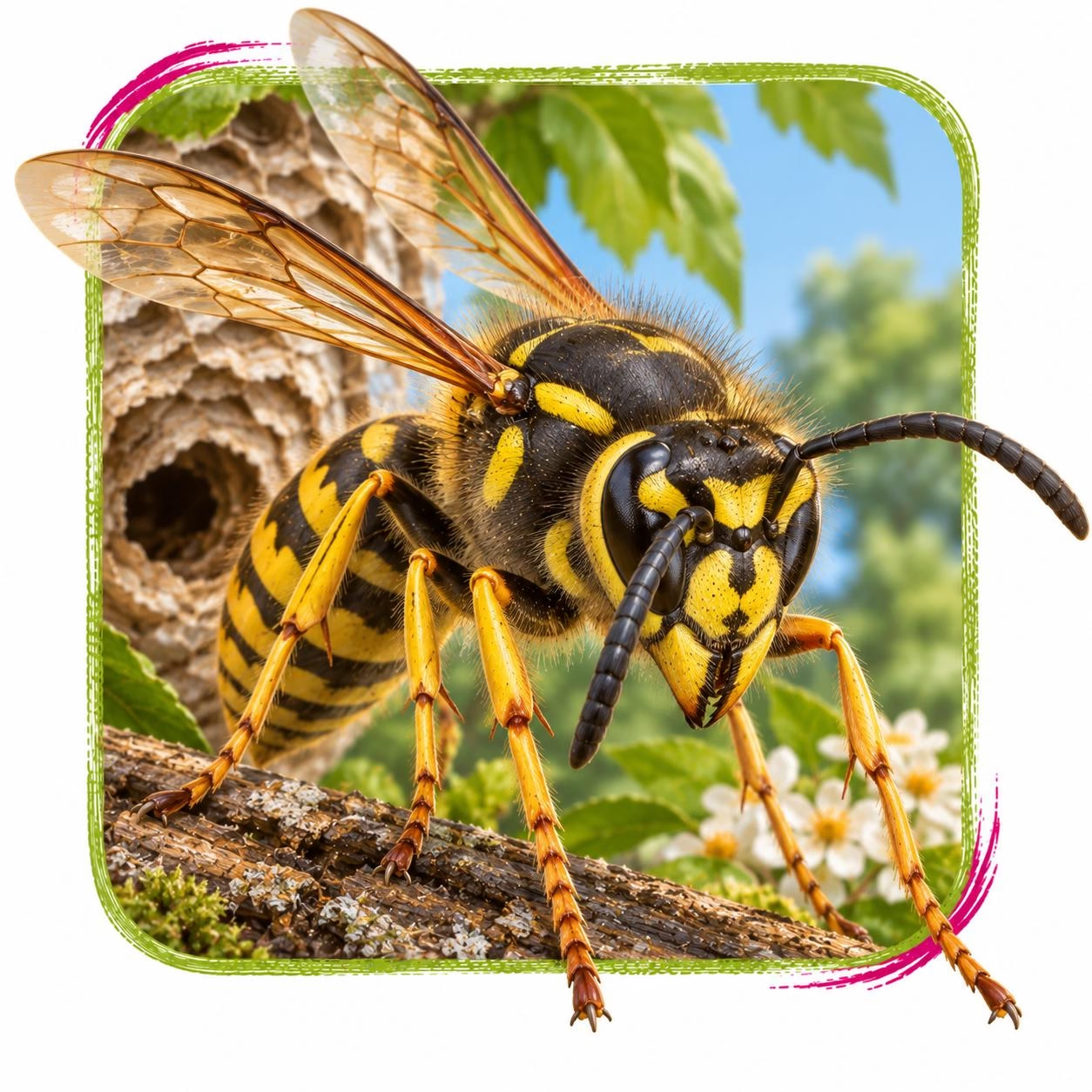
Yellow Jacket in its natural Woodlands, meadows, gardens, farms, orchards, parks, towns, underground cavities, hollow trees, walls, roof spaces, shrubs, and branches depending on species habitat