
Zebra Facts for Kids
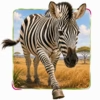
Zebras are wild members of the horse family known for their bold black-and-white stripes. They live in Africa, eat grasses, stay in groups, and use their sharp senses to watch for danger.
Quick Zebra Facts
- Animal Type: Mammal
- Group: Horse family
- Known For: Black-and-white stripes
- Habitat: Grasslands, savannas, and woodlands
- Diet: Mostly grasses
What You’ll Learn
Explore 10 fun zebra facts for kids about stripes, herds, speed, sounds, and survival, with a quiz, glossary, and zebra activity
These facts are explained clearly for children, parents, teachers, and curious little animal fans.
10 Fun Zebra Facts for Kids
1. Every Zebra Has Unique Stripes
No two zebras have exactly the same stripe pattern. Scientists and wildlife experts can use stripe patterns to help tell individual zebras apart.
Kid Decode: A zebra’s stripes are like a wild fingerprint.
2. Zebras Live in Groups
Zebras often live in groups called herds. Staying together helps them watch for predators and protect each other.
Kid Decode: Zebras know there is safety in stripey teamwork.
3. Zebras Are Herbivores
Zebras eat mostly grasses, but some may also eat leaves, herbs, shrubs, and bark when food is harder to find.
Kid Decode: A zebra’s favorite meal is a grassy buffet.
4. Baby Zebras Are Called Foals
A baby zebra is called a foal. Newborn foals can usually stand and move around soon after birth.
Kid Decode: A baby zebra joins the walking club very quickly.
5. Zebras Can Run Fast
Zebras use speed and zigzag running to help escape predators such as lions and hyenas.
Kid Decode: Zebras can turn a chase into a stripey lightning show.
6. Zebras Communicate in Many Ways
Zebras use sounds, facial expressions, ear positions, and body language to communicate with each other.
Kid Decode: Zebra ears and faces can tell a whole story.
7. Zebras Have Excellent Hearing
Zebras have strong hearing that helps them notice danger. Their ears can turn to listen in different directions.
Kid Decode: Zebra ears are little danger detectors.
8. Zebras Groom Each Other
Zebras sometimes nibble or groom each other’s necks and backs. This can help clean their coats and build social bonds.
Kid Decode: Zebra friends help each other stay tidy.
9. There Are Different Zebra Species
The main zebra species include plains zebras, mountain zebras, and Grevy’s zebras. They have different body sizes, stripe patterns, and habitats.
Kid Decode: Not every zebra wears the same stripe style.
10. Stripes May Help Confuse Insects
Scientists think zebra stripes may help reduce bites from some biting flies. Stripes may also help with recognition and blending into groups.
Kid Decode: Zebra stripes are not just stylish; they may be useful too.
The Weirdest Zebra Fact
A zebra’s stripe pattern is unique, so it can work a little like a fingerprint for telling zebras apart.
Try This Zebra Activity
Zebra Drawing Activity
Draw a zebra standing in tall grass. Add bold stripes, big ears, a sunny sky, and a few friends in the herd behind it.
Quick Zebra Quiz
- What animal family do zebras belong to? Answer: The horse family.
- What do zebras mostly eat? Answer: Grasses.
- What is a baby zebra called? Answer: A foal.
- Do all zebras have the exact same stripe pattern? Answer: No.
- Why do zebras live in herds? Answer: For protection and social support.
Mini Glossary
- Foal: A baby zebra.
- Herd: A group of zebras or other grazing animals.
- Herbivore: An animal that eats plants.
- Predator: An animal that hunts other animals.
- Savanna: A grassy habitat with scattered trees.
 Magpie Facts for Kids
 Indian Cobra Facts for Kids
 Rabbit Facts for Kids
 Megistotherium Facts for Kids
More Animal Facts for Kids
Visit the full animal facts library or explore a focused animal group.
More Extinct Animal Facts for Kids
Discover dinosaurs, Ice Age giants, prehistoric sea creatures, recently extinct species, and other animals from the past.
Fact check note: Fact checked with Britannica Kids zebra resources and trusted zoo/wildlife education references.

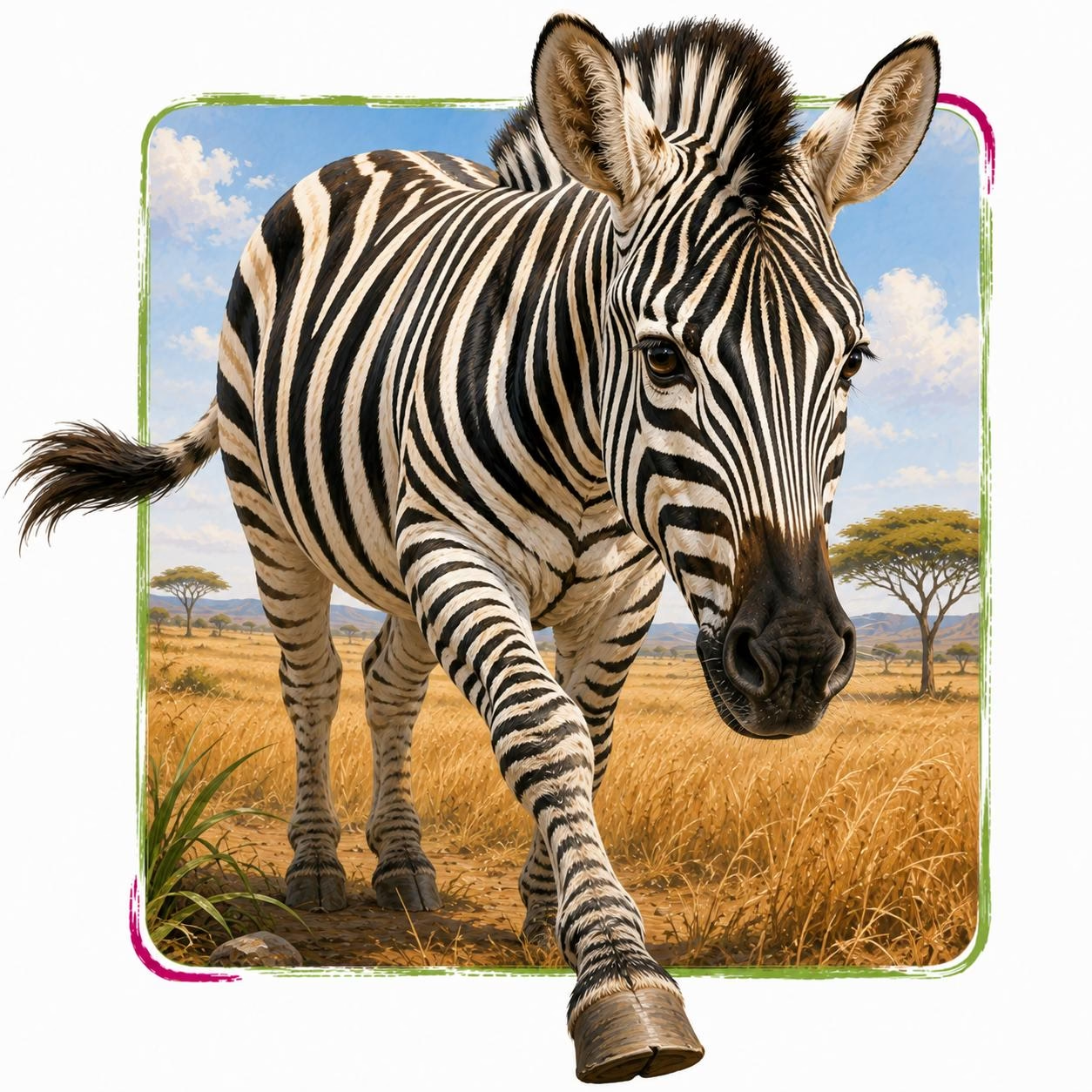
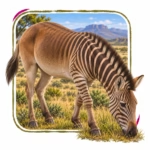
Zebra in its natural Grasslands habitat